English
 Arabic
 French
 Spanish
 Portuguese
 Deutsch
 Turkish
 Dutch
Dutch
 Italiano
 Russian
 Romaian
 Portuguese (Brazil)
 Greek
Greek
LED Light Therapy in Dubai: Soothe Inflammation and Age Well
Health |
2026-04-09 10:03:54
 Advertise With Us
 About Us
 Terms And Conditions
 Privacy Policy
Mostra tutti i risultati
Privacy Policy
Mostra tutti i risultati

Passa a Pro
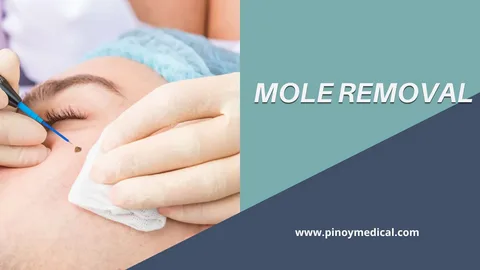
Mole removal in Jeddah is a highly sought-after cosmetic and dermatological procedure for individuals looking to eliminate bothersome, unsightly, or potentially problematic skin lesions. Moles—medically known as nevi—can appear anywhere on the body, formed by clusters of pigmented cells known as melanocytes. While the vast majority of moles are entirely benign, many people choose to have them removed for aesthetic reasons, or because they frequently snag on clothing, cause irritation, or undergo suspicious physical changes. Accessing professional dermatological care ensures that procedures are performed safely, effectively, and with minimal risk of scarring.
Moles are common skin growths that often appear during childhood and adolescence. Most adults have between 10 and 40 moles, which can vary significantly in color, size, and texture. They may be pink, tan, brown, black, red, or blue, and can be flat, raised, smooth, or rough. Some may even sprout hairs over time.
The development of moles is primarily influenced by a combination of genetics and ultraviolet (UV) radiation exposure from the sun. When melanocytes grow in a cluster rather than being spread evenly throughout the skin, a mole is formed. Hormonal shifts during pregnancy or puberty can also cause new moles to appear or existing ones to darken and grow.
While many individuals live comfortably with their moles, there are several compelling reasons why patients seek professional removal:
Aesthetic Preferences: Moles located prominently on the face, neck, or hands can sometimes cause self-consciousness. Removing them can enhance facial symmetry and overall skin clarity.
Physical Irritation: Moles situated along clothing lines, bra straps, waistbands, or areas frequently shaved (like the face or legs) can become chronically irritated, itchy, or prone to bleeding.
Suspicious Changes: Any mole that exhibits changes in symmetry, border irregularity, color variation, increasing diameter, or evolution over time warrants medical evaluation and potential removal for biopsy.
Dermatologists utilize several advanced medical techniques to remove moles, depending on the depth, size, and nature of the lesion:
This technique is typically used for raised moles. The dermatologist administers a local anesthetic to numb the area and then uses a specialized surgical blade to slice the mole off flush with or slightly below the surface of the surrounding skin. Stitches are rarely required for a shave excision, and the area usually heals into a small, flat, faded mark.
For flat moles, deeper lesions, or those suspected of being cancerous, a complete surgical excision is necessary. The physician cuts out the entire mole, including a margin of healthy tissue underneath and around it, to ensure complete removal. The wound is then closed with fine stitches, which help minimize scarring. Tissue samples are frequently sent to a pathology lab for microscopic analysis.
Laser therapy is sometimes utilized for flat, non-cancerous pigmented lesions, particularly smaller ones located on sensitive areas like the face. The concentrated light energy targets the pigment within the mole, breaking it down so the body can naturally absorb it over subsequent weeks.
Before undergoing any procedure, a thorough initial consultation with a qualified dermatologist is essential. During this evaluation, the specialist will examine the mole using a dermatoscope—a specialized magnifying tool—to assess its structure and determine whether it is benign or requires a biopsy.
The consultation also involves reviewing the patient’s medical history, discussing skin type, and identifying any history of abnormal skin growths or scarring tendencies. This comprehensive assessment ensures that the most appropriate removal technique is selected for optimal cosmetic and health outcomes.
The actual mole removal process is typically quick, straightforward, and performed on an outpatient basis:
Preparation and Cleaning: The target area and surrounding skin are thoroughly sterilized with an antiseptic solution.
Local Anesthesia: A fine needle is used to administer a small amount of local anesthetic (such as lidocaine) directly beneath the mole. This ensures the patient feels no pain or sharp sensations during the removal process.
The Removal: Depending on the chosen method, the dermatologist swiftly excises or treats the mole.
Dressing the Wound: Once the procedure is complete, a sterile ointment and protective bandage are applied to the treatment site to prevent infection.
Most patients experience little to no discomfort once the local anesthetic takes effect, and the entire appointment usually takes less than thirty minutes.
Proper aftercare is crucial for achieving clean healing, minimizing scarring, and preventing infection. Patients are generally advised to follow these foundational guidelines:
Keep the Area Clean and Dry: Wash the site gently with mild soap and water daily, patting it dry carefully without rubbing.
Apply Prescribed Ointments: Use any antibiotic ointments or healing gels provided by the dermatologist to keep the wound moist and protected.
Protect from Sun Exposure: Freshly healed skin is highly sensitive to UV rays, which can cause hyperpigmentation or dark scarring. Apply broad-spectrum sunscreen once the surface has fully closed, or keep the area covered.
Avoid Picking Scabs: Allow any scabs or crusts to fall off naturally. Picking at the healing tissue can reopen the wound, delay recovery, and increase the likelihood of prominent scarring.
While professional mole removal is exceptionally safe, any procedure involving a break in the skin carries minor inherent risks. Potential complications include:
Infection: Managed effectively through proper hygiene and prescribed topical or oral antibiotics if necessary.
Scarring: Every surgical method leaves some form of mark, though skilled dermatologists employ meticulous techniques to ensure scars are as subtle and flat as possible.
Recurrence: In rare cases, if a mole root is deep, remnants of pigment may slowly return, requiring a touch-up treatment.
Pigment Changes: Hypopigmentation (lighter skin) or hyperpigmentation (darker skin) can occasionally occur around the healing site, particularly in individuals with darker skin tones.
Removing a mole does not eliminate the need for ongoing skin vigilance. Regular self-examinations at home—using the ABCDE guide (Asymmetry, Border irregularity, Color variation, Diameter greater than 6mm, and Evolving characteristics)—help catch any new or changing skin anomalies early. Annual professional skin checks with a dermatologist provide an extra layer of preventative health maintenance, ensuring that your skin remains healthy and protected year-round.