English
 Arabic
 French
 Spanish
 Portuguese
 Deutsch
 Turkish
 Dutch
Dutch
 Italiano
 Russian
 Romaian
 Portuguese (Brazil)
 Greek
Greek
Trending Read Thrall by Rebecca Mahoney
Sports |
2026-06-17 07:01:07
 Advertise With Us
 About Us
 Terms And Conditions
 Privacy Policy
Mostra tutti i risultati
Privacy Policy
Mostra tutti i risultati

Passa a Pro
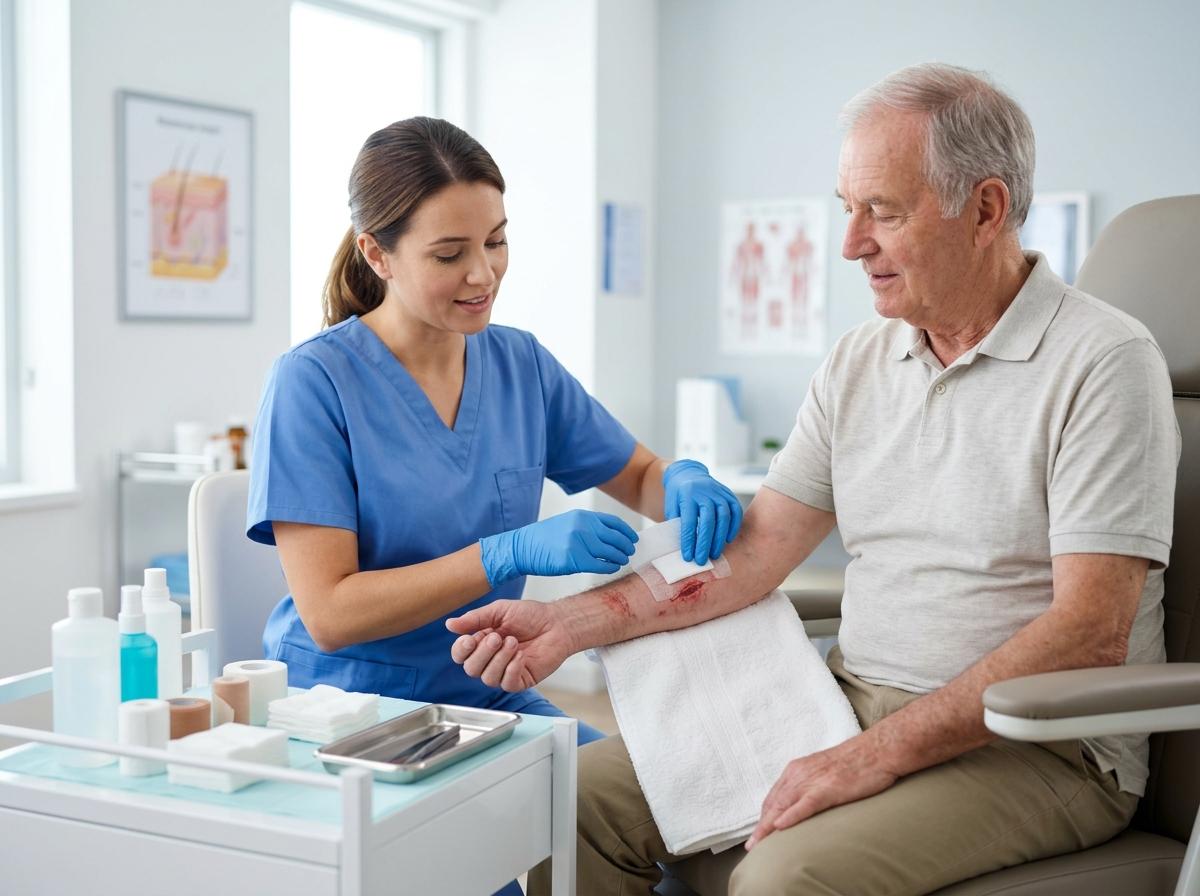
Have you been treating a cut, scrape, or surgical wound at home only to notice that it still hasn't healed after several days? Many people assume every wound will naturally improve with basic first aid, but that isn't always the case. Some injuries require timely medical attention to prevent infection, delayed healing, or long-term complications. Understanding when to seek wound care san antonio can make a significant difference in recovery and overall health.
Minor wounds often heal without difficulty, but chronic wounds, diabetic ulcers, pressure injuries, burns, and deep cuts need closer monitoring. Delaying treatment may allow bacteria to spread, damage surrounding tissue, and increase the risk of more complex procedures later. Learning the warning signs helps you take action before a small problem becomes a serious one.
Every wound follows a natural healing process consisting of clotting, inflammation, tissue growth, and skin remodeling. When one or more of these stages is interrupted, healing slows down or stops altogether.
Several factors can interfere with recovery, including poor circulation, diabetes, weakened immunity, aging, smoking, nutritional deficiencies, obesity, and repeated pressure on the affected area. Even a wound that initially appears minor can become chronic if these underlying issues are present.
Environmental factors also matter. Improper cleaning, excessive moisture, contamination, or frequent reopening of the wound may delay healing significantly.
Recognizing early symptoms of poor healing allows treatment before complications develop.
While mild redness is expected during the first few days, redness that continues spreading around the wound may indicate inflammation or infection. Swelling that worsens instead of improving also deserves attention.
Healing wounds usually become less painful over time. If discomfort becomes more intense after several days, the body may be struggling to fight infection or repair damaged tissue.
Clear fluid is common during healing, but thick yellow, green, or foul-smelling drainage often signals bacterial growth requiring prompt evaluation.
If a wound is accompanied by fever, chills, fatigue, or body aches, the infection may be spreading beyond the skin. Immediate medical assessment becomes important in these situations.
Healthy tissue should gradually become pink and stronger. Dark, gray, or black tissue may indicate poor blood supply or tissue death, both requiring urgent treatment.
A wound that shows little or no healing after two weeks should never be ignored. Slow healing often points to circulation problems, uncontrolled blood sugar, or deeper tissue damage.
Although anyone can experience delayed healing, certain individuals face a much higher risk.
People living with diabetes frequently develop foot ulcers because reduced sensation allows injuries to go unnoticed. Poor circulation further slows healing.
Older adults may heal more slowly because aging naturally reduces collagen production and blood flow.
Individuals with vascular disease often struggle with oxygen delivery to damaged tissue, making recovery difficult.
People who spend extended periods in bed or wheelchairs are more likely to develop pressure injuries due to continuous stress on the skin.
Those undergoing chemotherapy or taking immune-suppressing medications may also experience slower healing because the body's defense mechanisms are weakened.
Choosing wound care san antonio means more than simply placing a bandage over an injury. Treatment focuses on identifying why healing has slowed while creating the best possible environment for tissue repair.
The evaluation usually begins with reviewing medical history, medications, lifestyle habits, and underlying conditions that may affect healing.
The wound is carefully measured to monitor progress over time. Healthcare professionals assess depth, surrounding skin, drainage, tissue quality, and possible infection.
Cleaning the wound removes bacteria, debris, and dead tissue that interfere with recovery. In some situations, debridement may be recommended to eliminate unhealthy tissue and encourage healthy cell growth.
Specialized dressings help maintain the ideal moisture balance while protecting the wound from contaminants. Different wound types require different dressing materials depending on drainage levels and healing goals.
For patients with circulation concerns, additional strategies may improve blood flow and oxygen delivery to the affected area.
Professional treatment works best when combined with proper care at home.
Wash your hands before touching the wound to reduce contamination.
Follow dressing change instructions carefully without skipping scheduled changes.
Avoid applying home remedies unless specifically recommended by a healthcare professional.
Eat a balanced diet rich in lean protein, vitamin C, zinc, iron, and healthy fats to support tissue repair.
Drink enough water throughout the day because hydration contributes to healthy skin regeneration.
Manage chronic conditions such as diabetes by maintaining recommended blood sugar levels.
Avoid smoking because nicotine reduces oxygen delivery and delays healing.
Protect healing skin from unnecessary friction or repeated pressure.
Many misconceptions prevent people from receiving timely treatment.
One common myth is that every wound heals better when exposed to air. In reality, many wounds heal faster in a properly balanced moist environment.
Another misconception is that pain always means healing. While mild discomfort is expected initially, increasing pain often signals complications rather than progress.
Some people believe antibiotics alone solve every wound problem. Antibiotics may help certain infections, but proper cleaning, dressing selection, and ongoing assessment remain equally important.
Ignoring a wound because it appears small is another mistake. Even tiny injuries can become serious if circulation is poor or infection develops.
Preventive care is just as valuable as treatment.
Inspect your skin daily, especially your feet if you have diabetes.
Wear properly fitting footwear to avoid blisters and pressure injuries.
Treat cuts promptly by cleaning them with clean water and protecting them with an appropriate dressing.
Maintain healthy nutrition, regular physical activity, and adequate hydration.
Seek evaluation early whenever healing seems slower than expected rather than waiting several weeks.
Healthy wound healing depends on timely care, proper treatment, and attention to warning signs. Although many minor injuries recover naturally, wounds that become increasingly painful, infected, swollen, or fail to improve deserve professional evaluation. Seeking wound care san antonio early may reduce complications, support faster healing, and improve long-term outcomes. Paying attention to your body's signals and following consistent wound care practices can protect both your health and quality of life.
Most minor wounds begin showing noticeable improvement within one to two weeks, although complete healing depends on the wound's size and location.
Yes. Proper hydration supports circulation, nutrient delivery, and healthy skin repair, making water intake an important part of recovery.
Not always. The ideal dressing depends on the wound type, drainage level, and healing stage. Appropriate coverage helps protect many wounds while maintaining a healthy healing environment.
Yes. Long-term stress may weaken the immune response and interfere with the body's natural tissue repair process, potentially extending healing time.