English
 Arabic
 French
 Spanish
 Portuguese
 Deutsch
 Turkish
 Dutch
Dutch
 Italiano
 Russian
 Romaian
 Portuguese (Brazil)
 Greek
Greek
How to Plan a BTO Renovation in Singapore for Modern Living
Home |
2026-07-30 11:29:13
 Advertise With Us
 About Us
 Terms And Conditions
 Política de Privacidade
Ver Todos
Política de Privacidade
Ver Todos

Atualize para o Pro
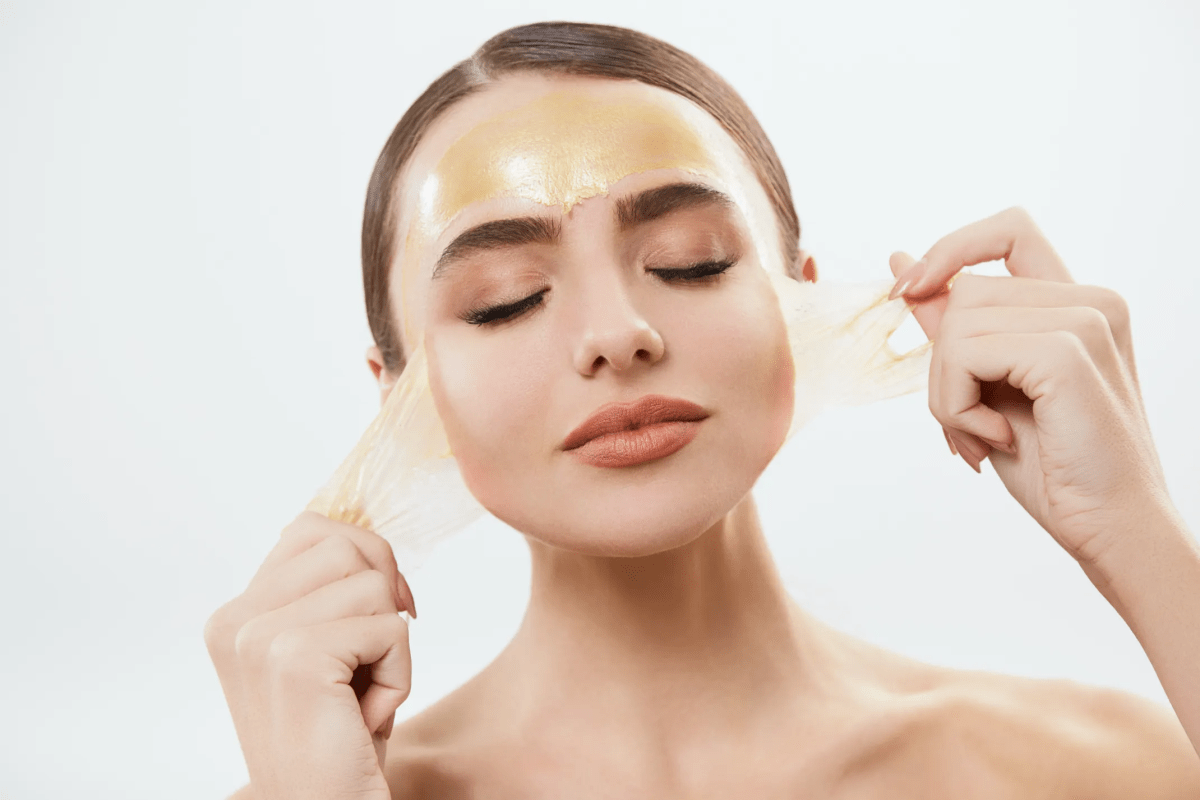
Starting any new skincare procedure can feel overwhelming, especially when it involves active ingredients that directly affect skin regeneration. Many beginners exploring Chemical Peel Treatment are unsure about what to expect, how it works, and whether it is suitable for their skin type. Understanding the basics before trying a chemical peel helps ensure safe, effective, and satisfying results while avoiding unnecessary complications.
A chemical peel is a skin-resurfacing treatment that uses specially formulated chemical solutions to exfoliate the outer layers of the skin. This process removes damaged or dead skin cells and encourages the growth of new, healthier skin. It is commonly used to improve texture, tone, and overall skin appearance.
Key characteristics include:
There are different types of chemical peels, and beginners are usually recommended lighter options to minimize risk and downtime. Each type varies in strength and depth of penetration, making it important to choose the right one based on skin condition.
Types include:
For those starting Chemical Peel Treatment, superficial peels are usually the safest entry point.
Chemical peels function by breaking down the bonds between dead skin cells, allowing them to shed naturally. This triggers the skin’s healing response, leading to the formation of new cells that improve skin quality over time.
The process involves:
Chemical peels offer a wide range of benefits, making them one of the most popular non-invasive skincare treatments. They address multiple concerns simultaneously and improve overall skin health.
Key benefits include:
Chemical peels are versatile and can be used to treat several common skin issues. However, results vary depending on the type of peel and skin condition.
Commonly treated concerns include:
For beginners, knowing what happens during the procedure helps reduce anxiety and prepare mentally. The process is usually quick and performed in a controlled clinical setting.
Typical steps include:
After a chemical peel, the skin goes through a healing phase that is essential for achieving optimal results. Proper aftercare ensures smooth recovery and prevents complications.
Recovery guidelines include:
Proper care is especially important for beginners undergoing Chemical Peel Treatment for the first time.
Although chemical peels are generally safe, beginners should be aware of potential side effects. These are usually mild and temporary when the procedure is done correctly.
Possible side effects include:
Not everyone is an ideal candidate for chemical peels, especially beginners with certain skin conditions or sensitivities. A proper consultation is necessary before proceeding.
Individuals who should be cautious include:
The frequency of chemical peels depends on skin type, treatment goals, and peel strength. Beginners usually start with longer intervals to allow the skin to adjust.
General guidelines include:
For beginners, preparation and aftercare are key to ensuring a safe and effective experience. Following professional advice helps maximize benefits and reduce risks.
Helpful tips include:
Chemical peels are an effective and accessible skincare solution for beginners looking to improve skin texture, tone, and clarity. With proper guidance and realistic expectations, they can deliver noticeable improvements with minimal downtime. For those considering Chemical Peel Treatment, understanding the basics, benefits, and aftercare requirements ensures a safe introduction to this powerful skin-renewing procedure and helps achieve healthier, more radiant skin over time.