English
 Arabic
 French
 Spanish
 Portuguese
 Deutsch
 Turkish
 Dutch
Dutch
 Italiano
 Russian
 Romaian
 Portuguese (Brazil)
 Greek
Greek
Synevra UltraLift™ Skin Support for Youthful Glow
Health |
2026-05-16 09:29:02
 Advertise With Us
 About Us
 Terms And Conditions
 Политика конфиденциальности
Смотреть все
Политика конфиденциальности
Смотреть все

Обновить до Про
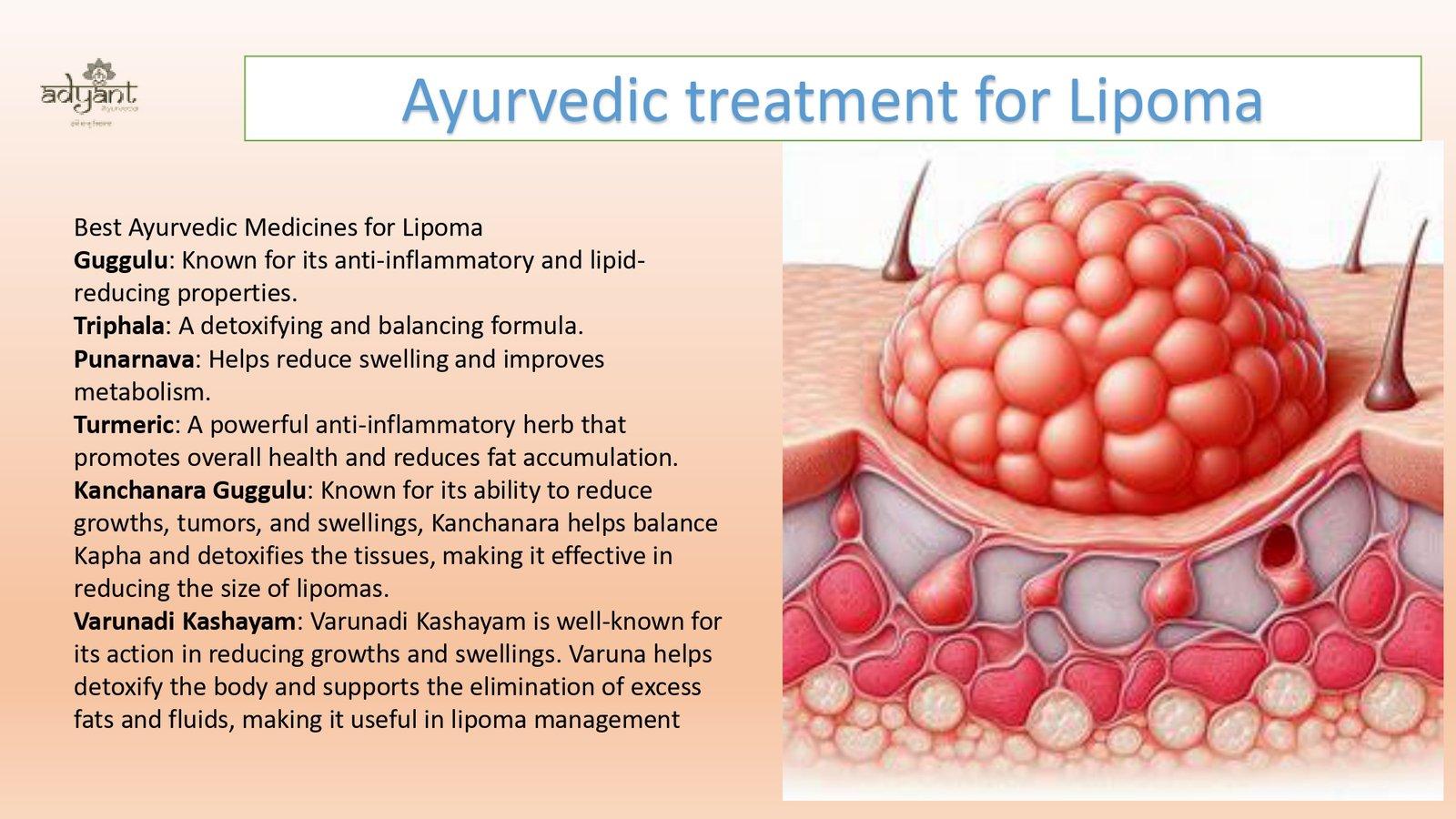
Lipoma Treatment in Jeddah is an important topic for individuals who have noticed a soft, slow-growing lump beneath their skin and want to understand the best way to manage it. Lipomas are among the most common benign soft tissue tumors and are composed of fat cells that accumulate under the skin. Although they are generally harmless, some lipomas can grow large enough to cause discomfort, restrict movement, or affect a person's appearance. Understanding the causes, symptoms, diagnosis, and available treatment options can help individuals make informed healthcare decisions and seek timely evaluation when necessary.
A lipoma is a benign tumor made up of mature fat cells enclosed in a thin fibrous capsule. Unlike cancerous tumors, lipomas do not spread to other parts of the body and usually grow at a very slow rate. They are soft, smooth, and movable beneath the skin, making them relatively easy to distinguish during a physical examination.
Lipomas can develop in almost any part of the body where fat tissue exists. While they are most commonly found just beneath the skin, they can occasionally develop deeper within muscles or other soft tissues. Most lipomas remain painless, but larger growths may press on surrounding nerves or tissues and cause discomfort.
Although the exact reason why lipomas develop remains unknown, several factors have been associated with an increased risk.
Genetics is believed to play a significant role. Individuals with a family history of lipomas are more likely to develop one or multiple lipomas during their lifetime.
Lipomas are most frequently diagnosed in adults between 40 and 60 years of age, although they can occur in younger adults and, less commonly, in children.
Certain rare hereditary disorders may cause multiple lipomas to develop across different parts of the body.
Lipomas are not directly caused by diet, body weight, or physical activity. They can occur in individuals of all body types and fitness levels.
Lipomas usually have a recognizable appearance and feel. The symptoms are generally mild unless the growth becomes large.
Common signs include:
A soft lump beneath the skin
Slow enlargement over time
Round or oval shape
Smooth surface
Easily movable with gentle pressure
Usually painless
Normal skin color over the lump
Pain may occur if the lipoma presses against nerves or develops in an area exposed to repeated pressure.
Lipomas can appear almost anywhere on the body.
A lipoma on the neck is often easily noticed because of its visible location.
The upper back is one of the most common sites where lipomas develop.
Shoulder lipomas may become uncomfortable when carrying heavy bags or backpacks.
Lipomas commonly develop on the upper arms and forearms without causing significant symptoms.
Abdominal lipomas are usually discovered accidentally while bathing or dressing.
Lipomas in the thighs may become noticeable during walking or exercise if they increase in size.
An accurate diagnosis ensures that the lump is benign and helps determine whether treatment is necessary.
The diagnosis often begins with a physical examination. The healthcare provider evaluates the size, consistency, mobility, and location of the lump.
Questions about the duration of the lump, growth rate, associated symptoms, and family history help guide the diagnosis.
Ultrasound is commonly used to assess superficial lipomas and distinguish them from other soft tissue masses.
MRI provides detailed images of larger or deeper lipomas, especially those located near muscles or important structures.
CT scans may be recommended for selected cases involving deeper tissues.
If the lump has unusual characteristics or if the diagnosis is uncertain, a biopsy may be performed to confirm that it is a benign lipoma.
Not every lipoma requires removal. Many remain small, painless, and unchanged for years.
Treatment is generally recommended if the lipoma:
Continues to grow
Causes discomfort or pain
Restricts movement
Interferes with daily activities
Creates cosmetic concerns
Becomes irritated by clothing
Requires confirmation of diagnosis
Early evaluation helps determine the most appropriate management plan.
Several treatment methods are available depending on the lipoma's characteristics.
Small, painless lipomas that remain stable may simply be monitored. Regular observation helps detect any changes that may require further assessment.
Surgical excision is considered the most effective treatment. During the procedure, the lipoma and its surrounding capsule are removed completely, reducing the likelihood of recurrence.
This option is commonly chosen for larger lipomas or those causing pain or cosmetic concerns.
Liposuction may be suitable for selected cases. Fatty tissue is removed through a small incision using suction, which may result in a smaller scar. However, complete removal of the capsule is not always possible, increasing the chance of recurrence.
Recovery is usually smooth, particularly after the removal of small lipomas.
Most people experience mild swelling, bruising, or tenderness that gradually improves within several days.
After treatment, individuals are generally advised to:
Keep the treatment area clean and dry
Follow wound care instructions carefully
Avoid strenuous activities during early healing
Watch for signs of infection
Attend follow-up visits if recommended
Most patients return to normal daily activities shortly after treatment.
Complete surgical removal significantly lowers the chance of recurrence because the entire capsule is removed. However, if part of the capsule remains, the lipoma may redevelop.
Individuals with a genetic tendency may also develop new lipomas in other areas of the body over time.
There is currently no proven method to prevent lipomas because their exact cause remains unknown. Nevertheless, maintaining a healthy lifestyle supports overall well-being and encourages early recognition of any changes.
Simple healthy habits include:
Following a balanced diet
Exercising regularly
Staying hydrated
Maintaining a healthy body weight
Monitoring the skin for new lumps
Seeking medical advice if any lump changes rapidly
Although these measures do not prevent lipomas, they promote overall health and early detection of potential concerns.
Many people live with lipomas without experiencing significant problems. Since these growths are usually benign, immediate treatment is often unnecessary unless symptoms develop.
Understanding the characteristics of lipomas helps reduce anxiety and enables individuals to monitor their condition appropriately. Regular self-examination and timely medical evaluation remain the best approach if any changes occur.
Lipomas are among the most common benign soft tissue growths and usually develop slowly beneath the skin. They are generally painless, harmless, and easy to recognize, although medical evaluation is recommended to confirm the diagnosis. Treatment is available for lipomas that become painful, increase in size, or create cosmetic or functional concerns.
As awareness of Lipoma Treatment in Jeddah continues to grow, individuals can better understand the condition, recognize when professional evaluation is appropriate, and choose the treatment option that best supports their health, comfort, and quality of life.