English
 Arabic
 French
 Spanish
 Portuguese
 Deutsch
 Turkish
 Dutch
Dutch
 Italiano
 Russian
 Romaian
 Portuguese (Brazil)
 Greek
Greek
Learning the Basics Before Your First Embroidery Conversion
Art |
2026-07-17 07:57:18
 Advertise With Us
 About Us
 Terms And Conditions
 Política de privacidade
Ver todos
Política de privacidade
Ver todos

Atualizar para Plus
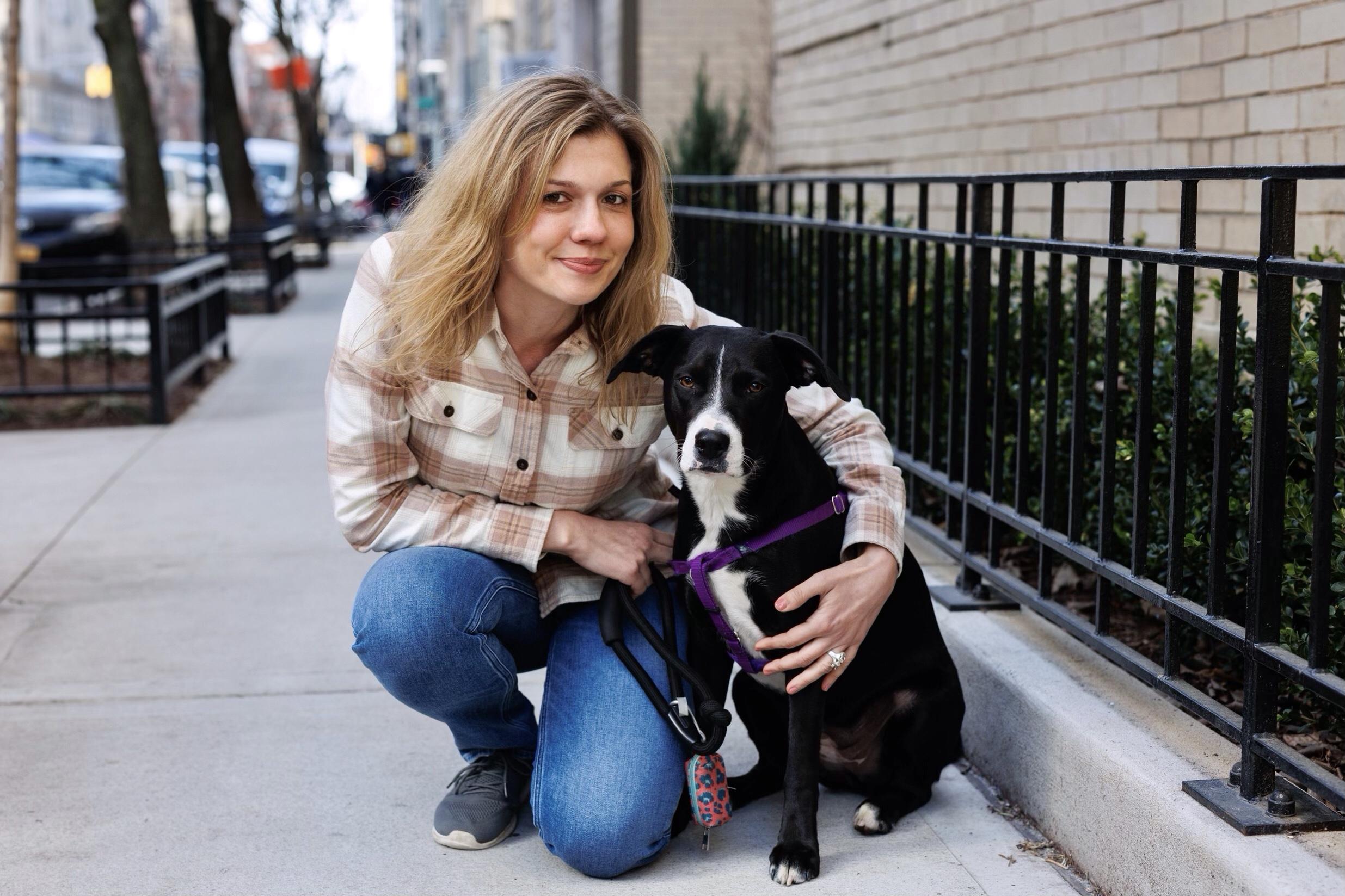
Training a dog is one of the most important responsibilities of a pet owner. A well-trained dog is not only easier to manage but also happier, more confident, and safer in daily life. Good behavior does not happen automatically; it is built through consistent training, patience, and positive interaction.
This guide explains simple Dog Training Methods that can help improve your pet’s behavior and strengthen your bond with them.
Dog training is not just about teaching commands. It helps shape behavior, improve communication, and build trust between you and your pet.
A trained dog is less likely to develop bad habits such as excessive barking, chewing furniture, or aggression. Training also keeps dogs safe in public places and helps them respond better in different situations.
Before starting training, it is important to understand your dog’s behavior. Dogs learn through repetition, rewards, and consistency. They do not understand complex instructions like humans, so simple and clear communication works best.
Every dog is different. Age, breed, and personality all play a role in how quickly they learn. Some dogs respond quickly, while others need more time and patience.
Successful dog training is based on a few simple principles:
Use the same commands and rules every time. This helps your dog understand what is expected.
Reward good behavior with treats, praise, or affection. Dogs are more likely to repeat behavior that brings positive results.
Training takes time. Avoid frustration and stay calm during sessions.
Dogs learn better in short, focused sessions of 10 to 15 minutes.
There are several easy and effective methods to improve your dog’s behavior, as often recommended by Park Hills Animal Hospital.
Start with simple commands such as:
Sit
Stay
Come
Down
Leave it
Use clear words and repeat them consistently. Reward your dog immediately when they follow the command correctly.
Leash training helps your dog walk calmly without pulling. Start in a quiet area with minimal distractions. If your dog pulls, stop walking until they calm down, then continue.
Reward them when they walk beside you calmly.
Crate training helps dogs feel safe and also supports house training. Introduce the crate as a positive space with soft bedding and toys. Never use the crate as punishment.
Gradually increase the time your dog spends inside the crate.
House training teaches your dog where to relieve themselves. Take your dog outside at regular intervals, especially after meals or naps.
Praise them immediately after they go in the right place. Consistency is key to success.
Socialization helps dogs become comfortable around people, other animals, and different environments. Introduce your dog to new experiences slowly and in a controlled manner.
Reward calm behavior during interactions.
Many dogs develop behavioral issues, but most can be corrected with proper training.
Dogs bark for attention, boredom, or alertness. Identify the cause and redirect their attention with toys or commands.
Provide safe chew toys to prevent dogs from chewing furniture or shoes.
Ignore jumping behavior and reward your dog only when they stay calm and on the ground.
Aggressive behavior may require professional help. Avoid punishment and focus on calm training methods.
Positive reinforcement is one of the most effective training methods. It encourages good behavior by rewarding your dog when they do something right.
Rewards can include:
Treats
Praise
Petting
Playtime
Avoid punishment-based training, as it can create fear and confusion.
A simple daily routine can improve your dog’s behavior over time:
Morning walk with leash training
Short obedience session
Playtime and social interaction
Evening training practice
Calm time before bed
Consistency helps reinforce learning.
Keep training sessions short and fun
Use clear and simple commands
Reward good behavior immediately
Avoid shouting or physical punishment
Be patient and consistent
Practice daily for best results
Sometimes, professional help is needed if your dog:
Shows aggressive behavior
Does not respond to basic training
Has severe anxiety or fear issues
A professional dog trainer or behavior specialist can provide guidance tailored to your dog’s needs.
Dog training is a gradual process that requires patience, consistency, and love. By using simple methods such as basic command training, leash training, and positive reinforcement, you can significantly improve your dog’s behavior.
A well-trained dog is not only easier to manage but also happier and more confident. With regular practice and care, you can build a strong bond with your pet and enjoy a peaceful and joyful companionship.