English
 Arabic
 French
 Spanish
 Portuguese
 Deutsch
 Turkish
 Dutch
Dutch
 Italiano
 Russian
 Romaian
 Portuguese (Brazil)
 Greek
Greek
Yeast Extract And Beta Glucan Market Trends Supporting Functional Food Innovation
Food |
2026-07-14 08:28:49
 Advertise With Us
 About Us
 Terms And Conditions
 Политика конфиденциальности
Смотреть все
Политика конфиденциальности
Смотреть все

Обновить до Про
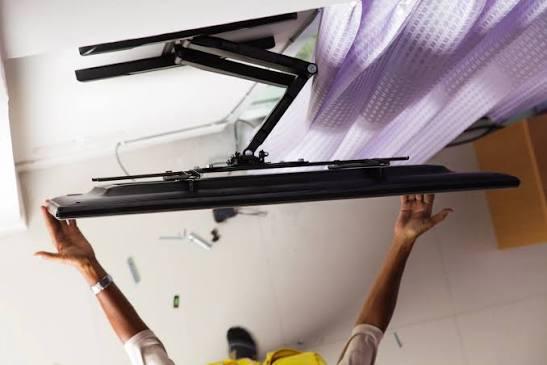
A new television can completely change the way you enjoy your living room, family room, or basement. Modern TVs offer impressive picture quality, slim designs, and larger screens than ever before. But once the excitement of bringing one home wears off, many homeowners face the same question: where should it go, and how should it be installed safely?
Across the Greater Toronto Area, more homeowners are choosing to mount televisions instead of placing them on entertainment stands. It creates a cleaner appearance, saves valuable floor space, and helps protect expensive electronics from accidental damage. However, mounting a television involves more than drilling a few holes in the wall. Different wall materials, hidden electrical wiring, stud placement, and cable management all play an important role in achieving a secure and attractive installation.
Televisions have become larger while their frames have become thinner. Although these sleek designs look great, they also require proper support. A wall-mounted television creates a modern appearance while making the room feel more organized.
Many homeowners consider a tv mounting service after moving into a new home, renovating a living space, or replacing an older television with a much larger model.
Some of the biggest advantages include:
More usable floor space
Reduced clutter from bulky furniture
Better viewing angles
Improved child and pet safety
Easier furniture placement
A cleaner, more modern design
In many Ontario homes, especially newer townhouses and condominiums, maximizing space is important. Mounting a television helps create a more open layout without requiring additional furniture.
Older homes throughout Toronto and surrounding communities can also benefit from wall mounting, although installers often need to work around plaster walls, older framing methods, or previous renovations.
Many people assume mounting a television is a quick afternoon project. In reality, a professional installation involves several careful steps to ensure both safety and appearance.
The first step is determining the ideal viewing position. Several factors are considered, including:
Seating distance
Viewing height
Natural lighting
Window glare
Fireplace placement
Existing electrical outlets
Internet and cable connections
A television mounted too high or too low can quickly become uncomfortable during long viewing sessions.
Not every wall provides the same level of support.
Installers identify:
Wood studs
Metal studs
Concrete walls
Brick walls
Drywall thickness
Potential obstacles behind the wall
Finding solid structural support is one of the most important parts of the project.
Different mounts are designed for different needs.
Common options include:
Fixed mounts
Tilting mounts
Full-motion mounts
Corner mounts
The television's weight and screen size determine which option is most appropriate.
Before drilling begins, installers carefully mark mounting points and confirm measurements multiple times.
Preparation may include:
Protecting nearby furniture
Checking for electrical wiring
Locating plumbing where applicable
Confirming level alignment
Organizing cables
Good preparation prevents unnecessary wall damage and installation mistakes.
Once the bracket is secured to the wall studs or masonry anchors, the television is carefully lifted into place.
The installer then verifies:
Proper alignment
Secure attachment
Viewing angle
Cable connections
Device functionality
Any streaming devices, gaming consoles, or sound systems can also be connected during this stage.
Professional installers typically leave the workspace clean by removing packaging, dust, and drilling debris. The result is a finished installation that's ready to enjoy immediately.
A mounted television can weigh anywhere from 25 to well over 100 pounds depending on its size. Supporting that weight safely requires more than simply attaching screws to drywall.
Improper installation can lead to several problems over time.
If the mounting bracket is not attached directly to structural framing or suitable masonry anchors, the fasteners may gradually loosen.
This can result in:
Sagging televisions
Crooked alignment
Damaged drywall
Complete mount failure
Ontario homes contain electrical wiring, plumbing, HVAC components, and communication cables hidden inside walls.
Without proper inspection, drilling into these systems can create expensive repairs or serious safety hazards.
Even a slight measurement error becomes obvious once a large television is mounted.
A tilted screen often requires removing the entire mount and repeating portions of the installation.
Visible wires can quickly ruin an otherwise attractive installation.
Professional installers often recommend routing cables neatly using raceways or concealed pathways where practical, creating a cleaner appearance without compromising accessibility.
Companies such as hankandy also emphasize planning cable management before the television is mounted, since adding or changing cables later can become more difficult depending on the installation method.
Homeowners often ask how much professional installation will cost. The answer depends on several factors rather than a single fixed price.
For a straightforward installation on drywall with accessible wood studs, many homeowners in Ontario can expect costs starting around $150 to $250.
More complex installations generally range between $250 and $500 or more, especially when additional labour or specialty equipment is required.
Several factors influence the final price.
Larger televisions require heavier-duty brackets and often need two installers for safe handling.
Installation on:
Brick
Concrete
Stone
Tile
Metal studs
usually requires specialized anchors, tools, and additional labour.
A basic fixed bracket is generally less expensive to install than a full-motion mount with adjustable arms.
Running cables neatly behind walls or through decorative raceways increases installation time but significantly improves the finished appearance.
Some homeowners choose to install:
Soundbars
Floating shelves
Streaming devices
Gaming consoles
Media boxes
during the same appointment, which may increase labour costs.
While the lowest estimate can be tempting, homeowners should compare what is included rather than focusing only on price. An experienced installer will usually inspect the wall, verify compatibility, ensure secure fastening, and test everything before leaving, reducing the likelihood of costly problems later.
A little planning before booking an installation can save time, reduce costs, and help you get better results. Instead of choosing the first contractor you find, spend a few minutes asking questions and preparing your space.
Here are several practical tips that can make the process smoother.
Think about how the room is used every day. The best location is not always the largest empty wall.
Consider:
The primary seating position
Window glare during the day
Nearby electrical outlets
Access to internet or cable connections
Future furniture arrangements
If you're unsure, ask the installer for recommendations before any holes are drilled.
Not every home in the GTA is built the same way. Some properties have standard drywall over wood studs, while others may feature concrete, brick, plaster, or metal stud construction.
An experienced installer should be comfortable explaining how they would approach your specific wall type and what hardware will be used.
Installation quotes can vary because they don't always include the same services.
Ask whether the estimate covers:
Mount installation
TV installation
Basic cable management
Connecting external devices
Cleanup
Removal of packaging
Knowing exactly what's included helps avoid surprises on installation day.
A reputable contractor should explain any workmanship warranty they provide. It's also worth asking whether the mounting hardware comes with a manufacturer's warranty.
Having clear warranty information gives homeowners added confidence if adjustments or repairs are ever needed.
If you're buying the mount yourself, confirm that it matches:
Your television's screen size
Weight rating
VESA mounting pattern
Desired viewing angle
Using the wrong bracket can create unnecessary delays or require additional purchases.
Sometimes homeowners postpone mounting a television because the existing setup still works. However, certain issues suggest it's worth addressing the situation sooner rather than later.
Large televisions placed on furniture not designed to support their weight can become unstable. This is especially concerning in homes with young children or active pets.
If an existing mount shifts, sags, or feels loose when adjusted, it should be inspected immediately. Ignoring small movements can eventually lead to hardware failure.
Cracks around mounting screws, widening holes, or drywall pulling away from the wall may indicate the bracket is no longer securely attached.
Cables that hang loosely or are stretched tightly behind the television can become damaged over time. They also make future maintenance more difficult.
Many homeowners upgrade from a smaller television without realizing the existing mount may not support the new model safely. Even if the bracket appears compatible, the weight rating and mounting pattern should always be verified.
Many homeowners enjoy tackling projects themselves, and mounting a television may seem like a straightforward weekend job. Whether DIY is the right choice depends on the size of the TV, the wall construction, and your experience with home improvement projects.
A do-it-yourself installation may be reasonable if:
The television is relatively small.
The wall has easily located wood studs.
You already own quality tools.
You're comfortable using a stud finder, level, and drill.
No cable concealment or electrical work is required.
Taking accurate measurements and following the manufacturer's instructions carefully is essential.
Even experienced DIYers can encounter unexpected problems, including:
Difficulty locating studs accurately
Uneven mounting
Drilling into hidden wiring
Using incorrect anchors
Misaligned brackets
Damaged drywall
Correcting these mistakes often takes more time and money than expected.
Professional installers bring experience, specialized tools, and knowledge of different wall types commonly found in Ontario homes.
Advantages often include:
Secure installation
Proper hardware selection
Accurate positioning
Clean cable management
Faster completion
Reduced risk of wall damage
For large televisions, fireplaces, masonry walls, or full-motion mounts, professional installation is usually the safer and more reliable option.
If you've been searching for same day tv mounting near me, it's still worth confirming that the installer has experience with your wall type and the equipment needed for your specific setup rather than choosing solely based on availability.
Similarly, when comparing companies that offer a tv wall mounting service, look beyond the advertised price. Experience, workmanship, and attention to detail often make a noticeable difference in the final result.
Mounting a television is about more than improving the appearance of a room. A properly installed TV provides better viewing comfort, helps protect an expensive investment, reduces clutter, and improves safety for everyone in the home. Taking time to plan the installation, choosing suitable hardware, and understanding the condition of your walls can help prevent costly mistakes.
While some straightforward installations are suitable for confident DIY homeowners, larger televisions and more complex wall materials often benefit from experienced installation. A secure mount and careful attention to detail can provide years of dependable performance without the worry of loose hardware or unnecessary wall damage.
For safe installation and lasting peace of mind, consider working with experienced professionals by visiting this TV mounting service page.