English
 Arabic
 French
 Spanish
 Portuguese
 Deutsch
 Turkish
 Dutch
Dutch
 Italiano
 Russian
 Romaian
 Portuguese (Brazil)
 Greek
Greek
Nordic Hemodialysis Equipment Market Estimated at US$ 63.4 Million in 2024 Set for 2031
Networking |
2026-07-13 12:30:20
 Advertise With Us
 About Us
 Terms And Conditions
 Privacy Policy
Ver Todo
Privacy Policy
Ver Todo

Upgrade to Pro
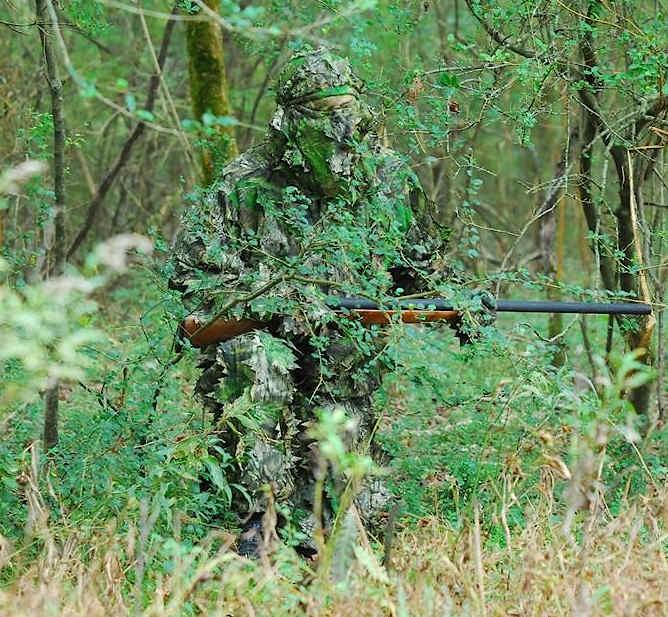
A camouflage suit is one of the most important pieces of equipment for hunters, wildlife photographers, and outdoor enthusiasts who depend on concealment. It helps blend your body into natural surroundings, making it harder for animals to detect you visually. However, many hunters overlook another factor that is just as important as camouflage patterns: human scent. Even the best camouflage suit cannot prevent an animal from detecting your odor if proper scent control is ignored.
This becomes a major challenge during deer, elk, and turkey hunting. While your camouflage suit may perfectly match the surrounding forest, your scent can travel hundreds of yards depending on wind direction and weather conditions. Many hunters blame poor camouflage when animals suddenly change direction, but in reality, they were likely detected by smell long before they were seen.
Modern hunting strategies combine effective camouflage with scent management to improve concealment from every angle. Understanding how scent works and learning how to manage it properly can dramatically increase your chances of success while making every hunting trip more productive and enjoyable.
Many hunters spend considerable money choosing the perfect camouflage suit but give little attention to scent control. This creates a false sense of confidence because visual concealment only solves part of the problem. Animals such as whitetail deer depend heavily on their sense of smell to detect predators long before visual contact occurs.
Scientific studies estimate that a whitetail deer's sense of smell is hundreds of times more sensitive than a human's. Researchers from institutions including Mississippi State University have documented how deer rely on wind direction and airborne scent particles to identify danger. Even if your camouflage suit blends perfectly into nearby vegetation, body odor, laundry detergent, fuel smells, or food scents can quickly reveal your location.
Imagine sitting quietly in a tree stand wearing high-quality camouflage while a mature buck approaches from downwind. Everything appears perfect until the deer suddenly raises its head, catches your scent, and quietly changes direction before you even notice. Situations like this happen every hunting season across the United States.
I experienced exactly this during an Illinois deer hunt several years ago. My camouflage looked excellent against the trees, but I had overlooked the scent left on my clothing after fueling my truck earlier that morning. The deer never saw me, yet it clearly smelled something unusual and disappeared before entering range.
Human scent constantly leaves the body through perspiration, breathing, skin cells, and clothing. Wind carries these scent particles through forests, fields, wetlands, and mountains, creating invisible scent trails that animals can easily detect. Wearing a camouflage suit changes your appearance but does nothing to eliminate these airborne odors by itself.
Temperature, humidity, terrain, and wind speed all influence how scent moves through the environment. Cool morning air often allows scent to settle lower to the ground, while afternoon winds may carry odor across much greater distances. Learning to understand these natural conditions becomes just as important as selecting the right camouflage pattern.
Many experienced hunters pay close attention to wind forecasts before choosing hunting locations. Rather than relying only on concealment provided by a camouflage suit, they position themselves so prevailing winds carry scent away from expected animal travel routes. This simple adjustment often produces significantly better hunting opportunities.
In my experience, checking wind direction has become a routine part of every hunting trip. Even with excellent camouflage, I never ignore how air movement might affect my scent because animals consistently trust their noses more than their eyes.
Modern hunting apparel has evolved to include scent-management technologies alongside traditional camouflage. Some manufacturers incorporate antimicrobial treatments that reduce odor-causing bacteria, while others use activated carbon or specialized fabrics designed to absorb or minimize human scent. These features help complement the visual concealment already provided by a camouflage suit.
Although no clothing can completely eliminate human odor, scent-control technology reduces the amount of detectable scent released into the environment. Combined with careful hunting practices, this creates another layer of concealment that supports overall hunting success. Hunters often notice improvements when using multiple scent-control strategies together rather than relying on clothing alone.
Outfitter Series Leafy Suits work particularly well when paired with proper scent management. Their three-dimensional leafy texture breaks up the human outline visually, while lightweight breathable materials reduce excessive sweating that can increase human odor during long walks into hunting locations.
Many hunters choose Outfitter Series Leafy Suits because they combine realistic concealment with comfortable airflow. Less overheating means less perspiration, making it easier to manage scent throughout extended hunting sessions without sacrificing mobility or concealment.
Successful scent management begins long before putting on your camouflage suit. Washing hunting clothing with scent-free detergent removes household fragrances that animals may detect. Ordinary laundry detergents often leave perfumes and brighteners that remain noticeable long after washing.
Storing hunting clothing separately also helps preserve scent control. Many hunters use airtight plastic containers along with natural vegetation collected from their hunting areas. Pine needles, oak leaves, or cedar branches can help reduce unfamiliar household odors before entering the woods. While these methods do not eliminate scent entirely, they contribute to a more natural odor profile.
Personal hygiene also plays an important role. Showering with fragrance-free soap before hunting removes perfumes, deodorants, and other strong scents. Avoiding scented shampoos, lotions, and colognes further reduces unnecessary odor that may compromise your camouflage suit's effectiveness.
I also avoid wearing my hunting clothes during breakfast or while stopping at gas stations. Cooking smells, fuel vapors, and cigarette smoke easily attach to fabric. Keeping my camouflage suit sealed until reaching the hunting location has noticeably improved my confidence in the field.
Across the United States, professional hunting guides frequently emphasize scent management as one of the biggest factors separating successful hunters from beginners. Guides operating in states such as Kansas, Iowa, Wisconsin, and Texas consistently recommend combining quality camouflage with disciplined scent-control routines rather than relying on camouflage alone.
The U.S. hunting industry reflects this growing awareness. According to market research from Grand View Research and outdoor retail reports, scent-control products continue experiencing steady growth alongside premium hunting apparel. Consumers increasingly recognize that effective concealment involves both sight and smell rather than visual camouflage by itself.
Several outdoor retailers have reported strong customer demand for complete hunting systems that combine camouflage suit options, scent-free detergents, odor-control sprays, and scent-management storage bags. Hunters increasingly understand that these products work best when used together as part of a complete strategy instead of individually.
Wildlife photographers have also adopted many of these practices. Photographers spending hours observing deer, elk, or wild turkeys often reduce scented products before entering natural areas because animals react similarly whether approached by cameras or hunting equipment.
Even the best camouflage suit and scent-control products cannot replace good hunting habits. Wind direction remains the most important factor when choosing stand locations or stalking routes. Experienced hunters consistently adjust their position to keep scent away from likely animal travel paths whenever possible.
Movement discipline also matters. Excessive walking increases perspiration, creating stronger scent while producing additional body heat. Moving slowly, taking frequent breaks, and avoiding unnecessary exertion helps reduce odor production before reaching your hunting area.
Outfitter Series Leafy Suits support these efforts by allowing comfortable movement without excessive weight. Their breathable construction reduces overheating during moderate activity while maintaining realistic concealment in wooded environments. This combination makes them especially useful for hunters who hike considerable distances before reaching their stands.
The most successful hunters I've met rarely depend on a single solution. Instead, they combine effective camouflage suit selection, scent management, weather awareness, and patient movement into one complete hunting strategy. Each element supports the others, creating much greater overall concealment.
A quality camouflage suit remains one of the best investments any hunter can make, but visual concealment alone is rarely enough. Animals rely heavily on their sense of smell, making scent management just as important as choosing the correct camouflage pattern. Ignoring human odor can quickly undermine even the most advanced camouflage technology.
Modern options like Outfitter Series Leafy Suits provide outstanding visual concealment through lightweight three-dimensional texture, but combining them with proper scent-control practices delivers even better results. Washing clothing correctly, storing gear carefully, monitoring wind direction, and minimizing unnecessary odors all contribute to a more successful hunting experience.
Before your next trip into the field, think beyond appearance when preparing your camouflage suit. A complete approach that combines camouflage, scent control, and smart hunting techniques will help you stay hidden, remain comfortable, and improve your chances of success throughout every hunting season.