English
 Arabic
 French
 Spanish
 Portuguese
 Deutsch
 Turkish
 Dutch
Dutch
 Italiano
 Russian
 Romaian
 Portuguese (Brazil)
 Greek
Greek
Understanding FEMA Export and Import Regulations: A Complete Guide for Indian Businesses
Other |
2026-06-25 07:50:10
 Advertise With Us
 About Us
 Terms And Conditions
 Политика конфиденциальности
Смотреть все
Политика конфиденциальности
Смотреть все

Обновить до Про
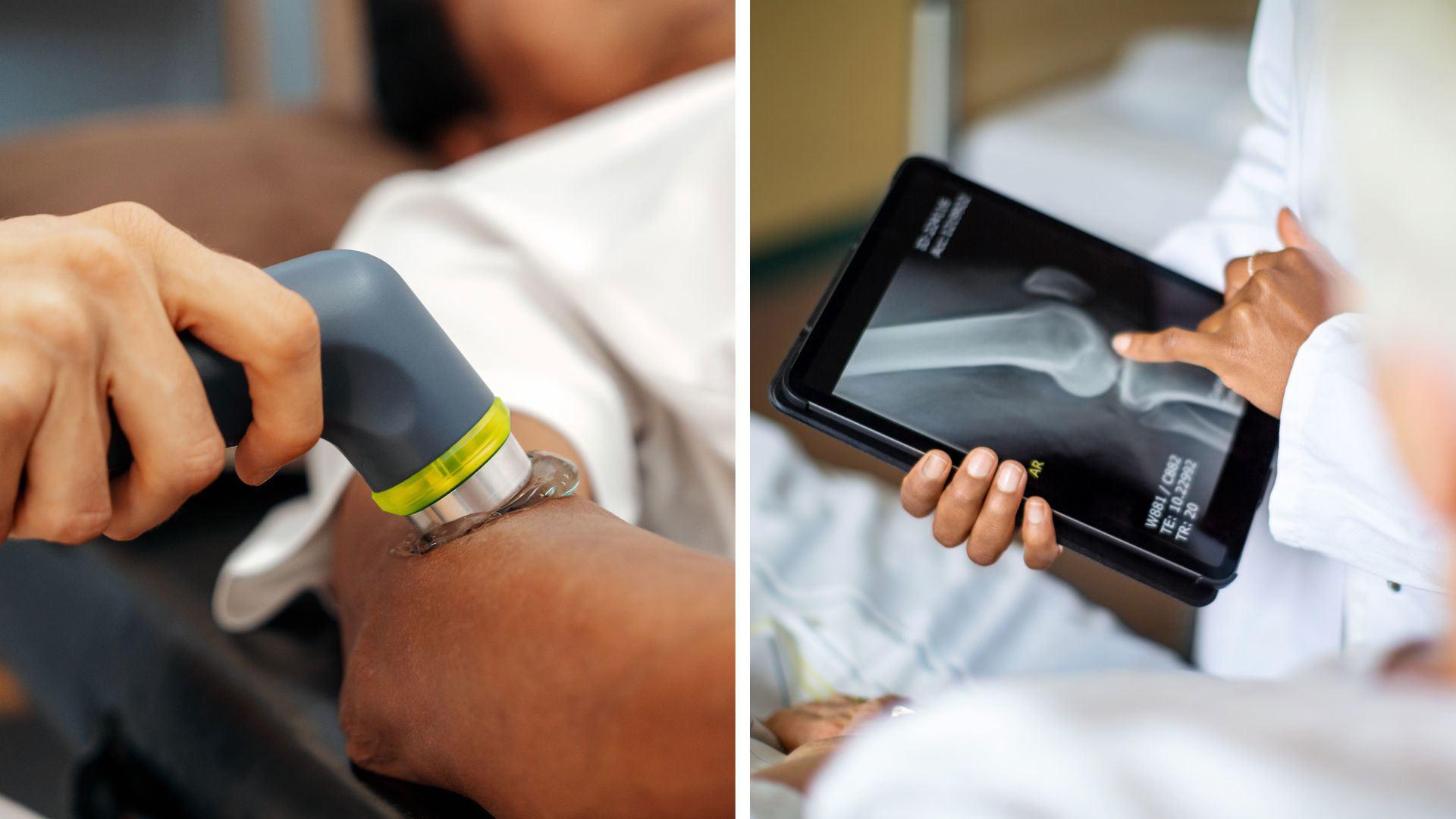
Bone healing technology is evolving faster than ever before. Patients today have access to tools that previous generations never imagined. Non-invasive approaches are replacing the need for repeated surgeries. These innovations are reshaping how orthopedic medicine is practiced. The future holds even greater promise for faster, safer recovery. Understanding what is coming helps patients make more informed decisions. This article explores the exciting trajectory of non-invasive bone healing technology.
Surgery carries real risks, including infection and anesthesia complications. Patients increasingly prefer avoiding hospital stays and long recovery periods. Healthcare systems also benefit from reducing costly surgical procedures. Non-invasive solutions address all of these concerns simultaneously. They allow patients to heal at home with minimal disruption. Research continues validating these approaches across diverse fracture types. The clinical and economic case for non-invasive healing is compelling.
Technological advances are making non-invasive options more effective every year. Device miniaturization has produced compact, portable treatment tools. Improved energy delivery systems enhance therapeutic precision significantly. Digital connectivity allows physicians to monitor patients remotely and effectively. These developments collectively raise the ceiling on what non-invasive care can achieve. The gap between surgical and non-surgical outcomes continues narrowing.
Several major trends are accelerating innovation in this field. Aging global populations create greater demand for fracture healing solutions. Athletes and active individuals need faster recovery without surgery. Military medicine requires effective healing tools in field settings. These diverse demands motivate significant research investment globally. Companies and academic institutions are collaborating more intensively than ever. The result is a richer pipeline of promising technologies approaching clinical use.
Artificial intelligence is becoming embedded in healing device technology. Machine learning algorithms can detect subtle changes in healing patterns. These insights allow treatment protocols to be adjusted proactively. Smart devices can monitor compliance and alert physicians automatically. This intelligence layer makes non-invasive devices more effective and reliable. The integration of AI into orthopedic devices is accelerating significantly.
Energy-based devices will remain central to non-invasive healing approaches. These devices deliver specific forms of energy to stimulate bone repair. The biological mechanisms underlying these technologies are well-established. Continued refinement focuses on optimizing delivery parameters and targeting. Future devices will likely personalize energy delivery based on individual response. This personalization could dramatically improve outcomes across patient populations.
Combination devices that deliver multiple energy types simultaneously are emerging. Early research suggests synergistic effects from combined approaches. Ultrasound and electrical stimulation together may produce greater benefit. These multi-modal devices could become standard tools in coming years. Device manufacturers are actively investing in combination technology development. Regulatory pathways for these innovations are also advancing progressively.
The ultrasound bone healing device is already a cornerstone of non-invasive orthopedic care. Its established clinical evidence base positions it perfectly for future expansion. Ongoing research explores new fracture types and patient populations benefiting from it. Technological improvements continue making these devices smarter and more convenient. As the gold standard of non-invasive bone stimulation, its future role is secure.
Wearable technology represents one of the most exciting future directions. Current devices require discrete daily treatment sessions from patients. Future wearables may deliver continuous low-level stimulation throughout the day. This continuous approach could produce faster and more consistent healing. Research into optimal continuous stimulation protocols is actively progressing.
Smart textiles are being developed to integrate therapeutic technology. Garments embedded with stimulation elements could support healing passively. Patients would benefit from therapy without additional device management. These innovations align perfectly with trends toward seamless healthcare integration. Clinical validation of these approaches is still in early stages. However, the technical foundations are advancing rapidly across multiple research groups.
Remote monitoring capabilities are transforming non-invasive fracture care. Physicians can now review compliance and symptom data remotely. Telehealth platforms connect patients with specialists without geographic limitations. This connectivity makes high-quality orthopedic care more accessible globally. Future integration will become even more seamless and informative.
Wearable sensors embedded in braces will track bone loading continuously. This real-time data will guide activity recommendations precisely. Patients will receive feedback preventing overexertion during healing. The combination of stimulation and monitoring in single devices is promising. These integrated wearables represent a significant frontier in bone healing technology.
Regenerative technologies are moving from laboratory to clinical practice. Exosome therapy using cell-derived vesicles shows early promise. These tiny vesicles carry growth factors that stimulate repair. They may be delivered through minimally invasive injection rather than surgery. Scaffold technologies are also improving for bone defect repair. Future scaffolds will be smarter and more biologically responsive.
Gene therapy approaches for bone healing are under active investigation. Delivering specific genes to fracture sites could enhance repair dramatically. While still in early stages, results are encouraging across studies. These technologies will likely complement rather than replace mechanical devices. The future of bone healing involves biological and mechanical solutions working together.
Future bone healing care will place even greater emphasis on patient experience. Devices will be designed for intuitive use without extensive training. Treatment compliance tools will motivate patients effectively and positively. Personalized recovery plans will account for individual biology and lifestyle. This patient-centered approach will improve outcomes while reducing burden. Healthcare teams will coordinate more closely around individual patient needs.
Education platforms will help patients understand their recovery deeply. Informed patients consistently achieve better outcomes in research studies. Digital platforms providing education, tracking, and community support will expand. The future bone healing ecosystem is one where patients feel empowered and supported throughout.
Patients fracturing bones in the coming decade will have remarkable options. Non-invasive technologies will be even more effective and accessible. Insurance coverage for advanced devices will continue expanding. Regulatory frameworks are adapting to expedite approval of innovative technologies. The combination of better devices, better data, and better care coordination is powerful.
The trajectory of non-invasive bone healing is genuinely exciting. Technology that once seemed futuristic is now entering clinical practice regularly. Patients who engage with these technologies under physician guidance benefit most. The future promises even faster healing, fewer complications, and greater independence. Non-invasive bone healing technology is not just improving recovery, it is redefining what recovery means.