English
 Arabic
 French
 Spanish
 Portuguese
 Deutsch
 Turkish
 Dutch
Dutch
 Italiano
 Russian
 Romaian
 Portuguese (Brazil)
 Greek
Greek
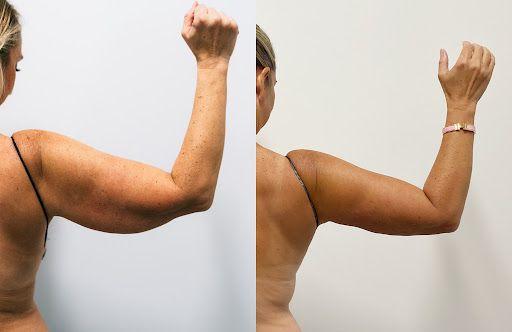
Understanding the Benefits of Arm Lift Surgery in Dubai
Health |
2026-06-09 05:29:48
 Advertise With Us
 About Us
 Terms And Conditions
 Privacy Policy
Mostra tutti i risultati
Privacy Policy
Mostra tutti i risultati

Passa a Pro
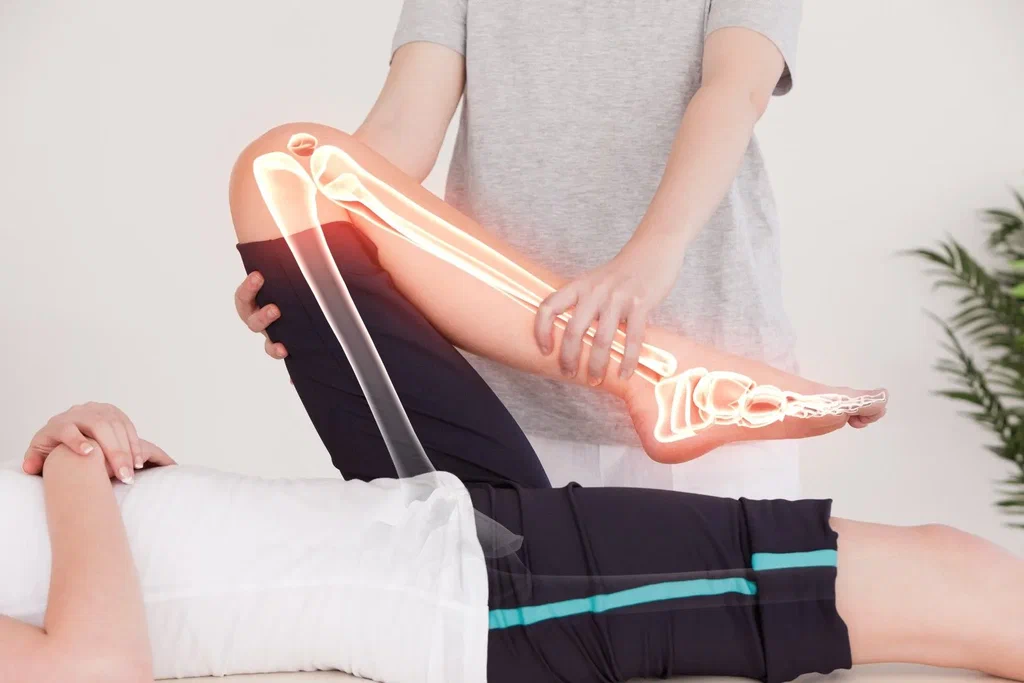
Bone health is a growing concern for millions of adults worldwide. Many people overlook bone care until significant problems emerge. Fractures, reduced mobility, and chronic pain often follow neglected bone loss. Fortunately, modern solutions are transforming how bone health is managed. New technology is making bone care more accessible than ever before. Understanding these solutions helps individuals make smarter long-term health decisions. This article explores current and emerging approaches to better bone health and mobility.
Bone density begins declining gradually after early adulthood consistently. This process is natural but accelerates with age and lifestyle factors. Hormonal changes, especially in post-menopausal women, significantly speed this decline. Estrogen plays a protective role in the bone remodeling balance. When it drops after menopause, bone breakdown increases sharply. Men also experience bone loss as testosterone levels gradually fall. Reduced bone density makes bones more fragile and fracture-prone over time. Fractures are most common in the hips, wrists, and spine. These injuries can permanently limit mobility and independence for older adults. Understanding this risk is the first step toward taking proactive action.
Reduced bone density affects more than just fracture risk alone. It can contribute to chronic back pain and significant postural changes. Spinal compression fractures can cause height loss over the years. These postural changes can affect breathing and digestive comfort simultaneously. Reduced bone strength also affects how confidently people move every day. Fear of falling leads many people to decrease their activity levels. Reduced activity weakens both muscles and bones further over time. This creates a dangerous cycle that becomes harder to interrupt. Addressing bone health proactively helps break this cycle effectively. Early action protects mobility, physical confidence, and overall quality of life.
Healthcare has shifted meaningfully toward non-invasive bone support options. Many patients prefer solutions without significant pharmaceutical side effects. Bisphosphonates, commonly prescribed for osteoporosis, carry gastrointestinal concerns for some patients. Long-term medication use is not always appropriate or desired. Non-invasive alternatives are now filling this growing therapeutic gap. Vibration-based technology is among the most thoroughly researched options available today. It uses controlled mechanical stimulation to support natural bone remodeling directly. The therapy activates osteoblasts — the specialized cells that build new bone. Consistent use over time may meaningfully support bone mineral density levels.
Bone responds to physical forces through a process called mechanotransduction. This means mechanical signals trigger biological responses within bone cells. Low-magnitude high-frequency vibration delivers these signals without high physical impact. Osteoblasts are stimulated to produce new bone matrix in response. At the same time, osteoclast dominance may be modestly reduced. This shifts the remodeling balance toward net bone formation over time. Multiple clinical studies have confirmed positive effects on spinal and hip density. These two regions are among the most clinically significant fracture sites. This strong scientific foundation explains the growing interest in vibration technology. It offers a compelling alternative for patients seeking non-pharmaceutical bone support.
Technology has made consistent bone care increasingly accessible for most adults. Home-based devices bring clinical-level support directly into daily routines. Users no longer depend on frequent clinical visits for every single session. This convenience dramatically improves consistency, which drives long-term meaningful results. Short daily sessions of around ten minutes fit most schedules easily. Many modern devices are compact, quiet, and simple to operate daily. Older adults, who benefit most from these tools, find them manageable. This accessibility is one of the most important contributions technology makes to bone care.
Many patients exploring bone care solutions at this stage discover the osteoboost device, which uses precisely calibrated low-magnitude vibration for home-based bone support. It is built on the clinical principles explored throughout this article. Users appreciate how easily it integrates into existing morning or evening routines. Healthcare professionals are increasingly aware of its supporting evidence base. It reflects the broader shift toward practical, evidence-backed home bone care solutions.
Technology achieves its best results within a broader supportive lifestyle context. Calcium intake remains foundational to bone mineral density support consistently. Adults over fifty generally need higher daily calcium intake than younger people. Vitamin D is essential for proper calcium absorption throughout the body. Many adults carry a vitamin D deficiency without any awareness of it. Weight-bearing activity provides natural mechanical loading that bones genuinely need. Walking, light resistance training, and balance exercises all contribute meaningfully. Avoiding smoking protects bone-forming cell activity from oxidative damage. Limiting alcohol helps preserve the hormonal balance bones need for healthy remodeling. These habits consistently amplify the therapeutic impact of any bone care device.
Calcium-rich foods include dairy products, leafy greens, and fortified food options. Vitamin D can be supported through sunlight exposure and dietary supplementation. Magnesium plays an important supporting role in bone matrix formation daily. Phosphorus, found in protein-rich foods, contributes directly to overall bone structure. Vitamin K2 helps direct calcium into bone rather than into soft tissues. Anti-inflammatory dietary choices may also support bone health more broadly. A registered dietitian can help design a genuinely bone-supportive eating plan. Personalized guidance helps identify and address individual nutritional gaps effectively. Combining targeted nutrition with daily device use creates a powerful joint foundation. This integrated approach is far more effective than either strategy used alone.
Maintaining bone density directly supports better physical mobility over time. Stronger bones allow more confident and active movement throughout each day. Reduced fracture risk means fewer interruptions to regular physical activity patterns. People who maintain bone health often report higher overall physical confidence daily. Balance tends to improve alongside bone density in many studied patient populations. This improvement reduces fall risk significantly for older adults in particular. Better balance means safer, freer movement across many daily living situations. Maintaining mobility is central to overall independence and quality of daily life. This connection between bone health and mobility cannot be overstated or ignored. Proactive bone care is ultimately an investment in long-term freedom of movement.
Monitoring progress is an important part of any long-term bone health strategy. DEXA scanning remains the gold standard for bone mineral density measurement globally. It produces a T-score comparing patient density to a young adult baseline reference. Physicians typically recommend repeat scans every one to two years. These results help evaluate whether current strategies are producing measurable results. Gradual T-score improvements reflect meaningful underlying bone remodeling progress over time. Results can also guide adjustments to nutrition, exercise, or device use protocols. Patients who track progress tend to stay more motivated and consistently engaged. Regular monitoring transforms abstract health goals into visible, measurable personal progress. This accountability keeps long-term bone care strategies firmly on track.
Modern bone health solutions offer meaningful, evidence-based options for adults of all ages. Vibration technology provides a non-invasive and home-accessible form of daily bone support. Combined with balanced nutrition and regular physical activity, it forms a comprehensive strategy. Monitoring bone density through periodic DEXA scans supports long-term accountability and thoughtful adjustment. Stronger bones mean better mobility, greater confidence, and more overall independence in life. The goal extends beyond numbers on a scan — it is about living fully and freely. For anyone concerned about bone health, exploring modern solutions is a genuinely smart first step. The tools available today make proactive, effective bone care more achievable than ever before.