English
 Arabic
 French
 Spanish
 Portuguese
 Deutsch
 Turkish
 Dutch
Dutch
 Italiano
 Russian
 Romaian
 Portuguese (Brazil)
 Greek
Greek
Iblbet Slot dengan Sistem Login Praktis
Travel |
2026-08-01 05:33:29
 Advertise With Us
 About Us
 Terms And Conditions
 Política de privacidade
Ver todos
Política de privacidade
Ver todos

Atualizar para Plus

Walk into any tea shop or scroll through any Matcha listing online, and you'll run into the same wall almost everyone hits when they're starting out: ceremonial, premium, culinary, latte grade, beverage grade — the labels pile up fast, and none of them are explained the way you'd expect. We get asked about this constantly at Pekoe, usually from people who bought the wrong grade once, ended up with something bitter or chalky, and assumed Matcha just wasn't for them.
It usually wasn't the Matcha. It was the grade.
Not all Matcha comes from the same part of the plant or the same stage of harvest, and that difference shows up directly in your cup. Grade isn't a marketing label — it reflects things like which leaves were used, how old the plant was, how it was shaded before harvest, and how finely it was ground. Higher grades come from younger, more tender leaves harvested early in the season and stone-ground with more care. Lower grades come from older, tougher leaves picked later, which naturally taste more bitter and astringent.
Once you understand this, the whole grading system stops feeling arbitrary and starts making a lot more sense.
This is the top of the range, and it's meant to be drunk exactly the way its name suggests — whisked into hot water on its own, with nothing added. Ceremonial grade Matcha comes from the youngest first-harvest leaves, ground extremely fine, and it has a naturally sweet, umami-rich flavour with very little bitterness. Because there's nowhere for a flaw to hide when it's just powder and water, this grade needs to be genuinely good on its own.
If you're someone who wants to experience Matcha the traditional way, or you've had a bitter cup before and want to understand what all the fuss is actually about, this is where to start. It's usually the most expensive grade too, simply because so much care and such young leaves go into it.
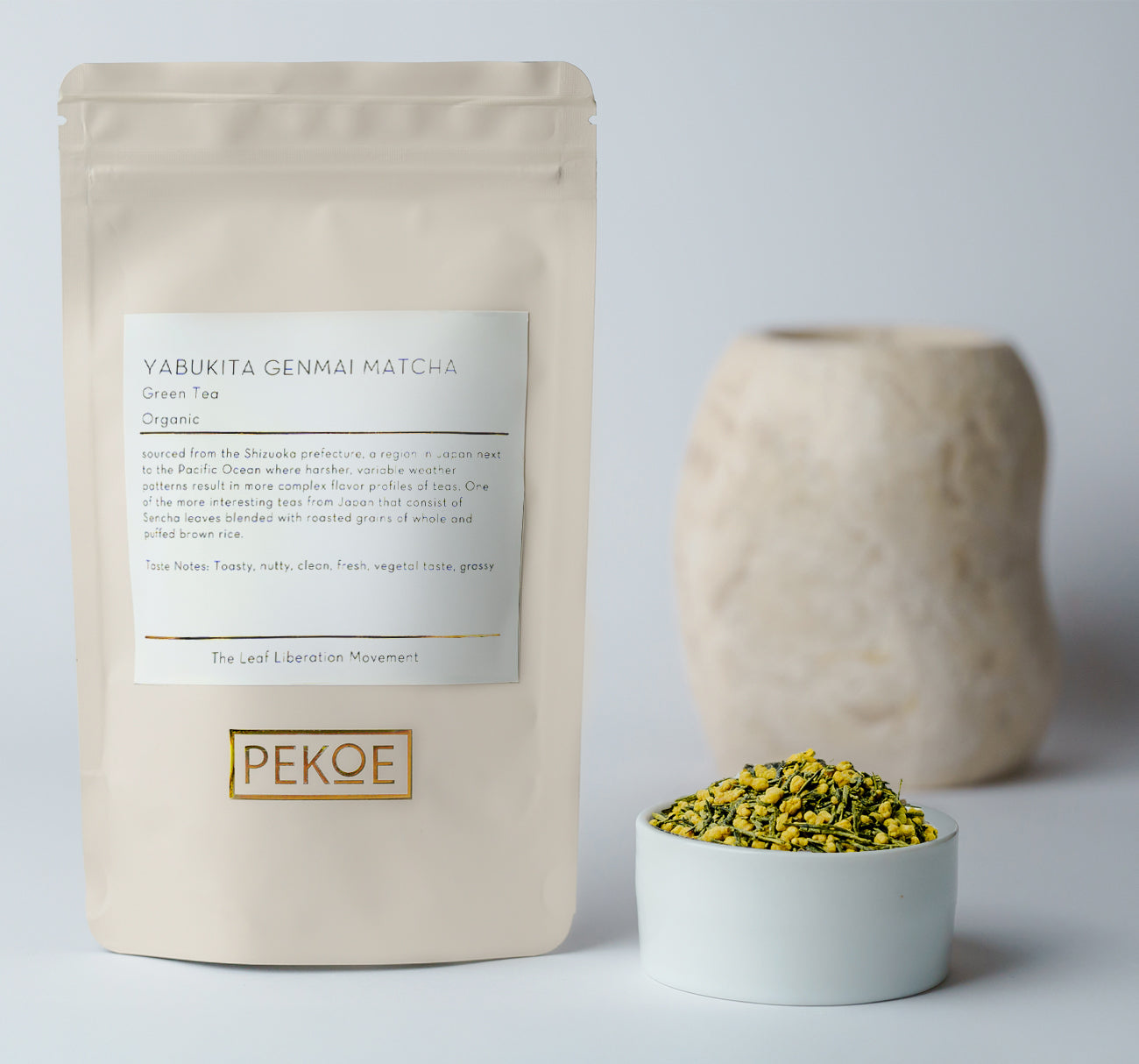
Sitting just below ceremonial, premium grade Matcha is still made from good quality leaves and offers a smooth, vibrant flavour, though it's slightly more robust than ceremonial. It works well both as a straight tea and in lattes, giving you a bit more flexibility without sacrificing much in terms of taste or colour. A lot of people who drink Matcha daily, rather than as an occasional ritual, tend to settle here because it strikes a nice balance between quality and everyday practicality.
This grade is made specifically to hold its flavour and colour when mixed with milk, sugar, or other ingredients. It tends to have a slightly bolder, more assertive taste on its own, which might come across as a little strong if you tried drinking it straight, but that same boldness is exactly what lets it cut through steamed milk and still taste like Matcha rather than getting lost.
If lattes, iced Matcha, or smoothies are your main way of drinking it, this is genuinely the right grade to reach for. Using a delicate ceremonial grade in a latte is honestly a bit of a waste — its subtlety just gets buried under the milk.
This is the grade meant for baking and cooking — think Matcha cookies, cakes, or ice cream. It's more affordable, has a stronger, more bitter flavour on its own, and is built to hold up against sugar, butter, and heat without losing its green colour or Matcha character. It's not really meant to be whisked into a cup and enjoyed on its own, so if that's your goal, this isn't the grade to reach for.
If you're brand new to Matcha and want to understand what a proper, well-made cup tastes like, start with ceremonial grade and drink it the traditional way — just powder and hot water, whisked briskly. It's the clearest way to understand what all the hype is about, and it removes any question of whether a bad taste is coming from the grade or the preparation.
If you already know you'll mostly be drinking lattes, go straight for a beverage or latte grade. There's no real benefit in paying ceremonial prices for something that's going into steamed milk anyway.
If you're planning to bake or cook with it, culinary grade is the practical, budget-friendly choice, and using anything higher would honestly be a waste of good Matcha.
Whatever grade you land on, a few things hold true across the board. Good Matcha should be a vivid, almost neon green — dull, yellowish, or olive-toned powder usually signals older leaves or poor storage. It should smell fresh and slightly grassy, almost like fresh-cut spinach, rather than flat or musty. And it should feel genuinely fine and silky between your fingers, not gritty or coarse.
Origin matters too. Matcha grown in respected Japanese regions and stone-ground using traditional methods will consistently outperform mass-produced powder, regardless of which grade label is on the tin.
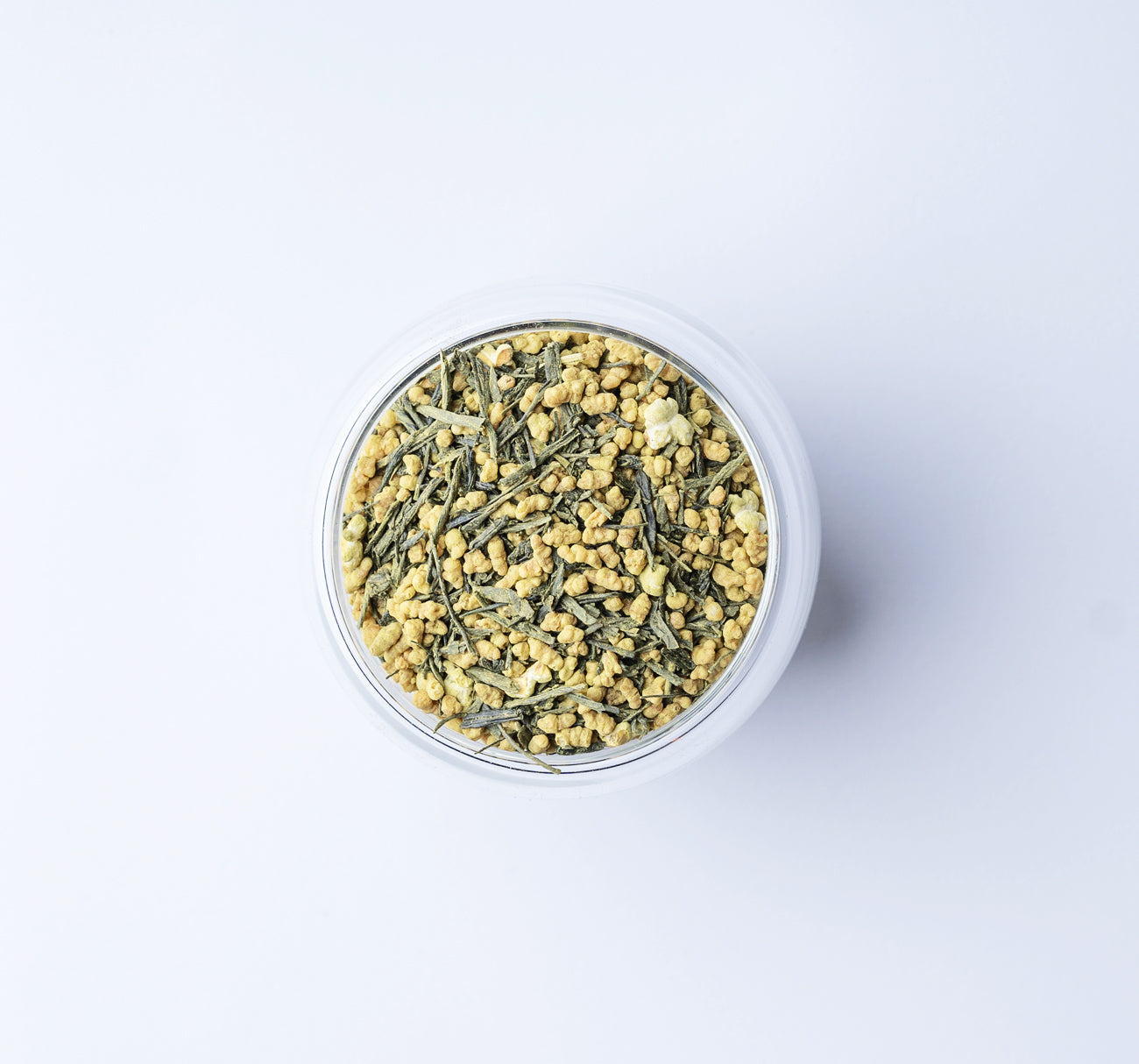
There's no single "best" grade of Matcha — there's only the right grade for how you actually plan to drink it. Choose ceremonial if you want the full, traditional experience. Choose beverage grade if lattes are your thing. Choose culinary if you're baking. Get that match right, and Matcha stops being something you're trying to force yourself to like, and starts being something you genuinely look forward to every morning.
For more information
TikTok: mypekoe
Instagram: mypekoe
Facebook: mypekoe