English
 Arabic
 French
 Spanish
 Portuguese
 Deutsch
 Turkish
 Dutch
Dutch
 Italiano
 Russian
 Romaian
 Portuguese (Brazil)
 Greek
Greek
FYP Worthy We Are All Guilty Here by Karin Slaughter
Travel |
2026-06-11 06:37:03
 Advertise With Us
 About Us
 Terms And Conditions
 Privacy Policy
Hepsini Gör
Privacy Policy
Hepsini Gör

Upgrade to Pro
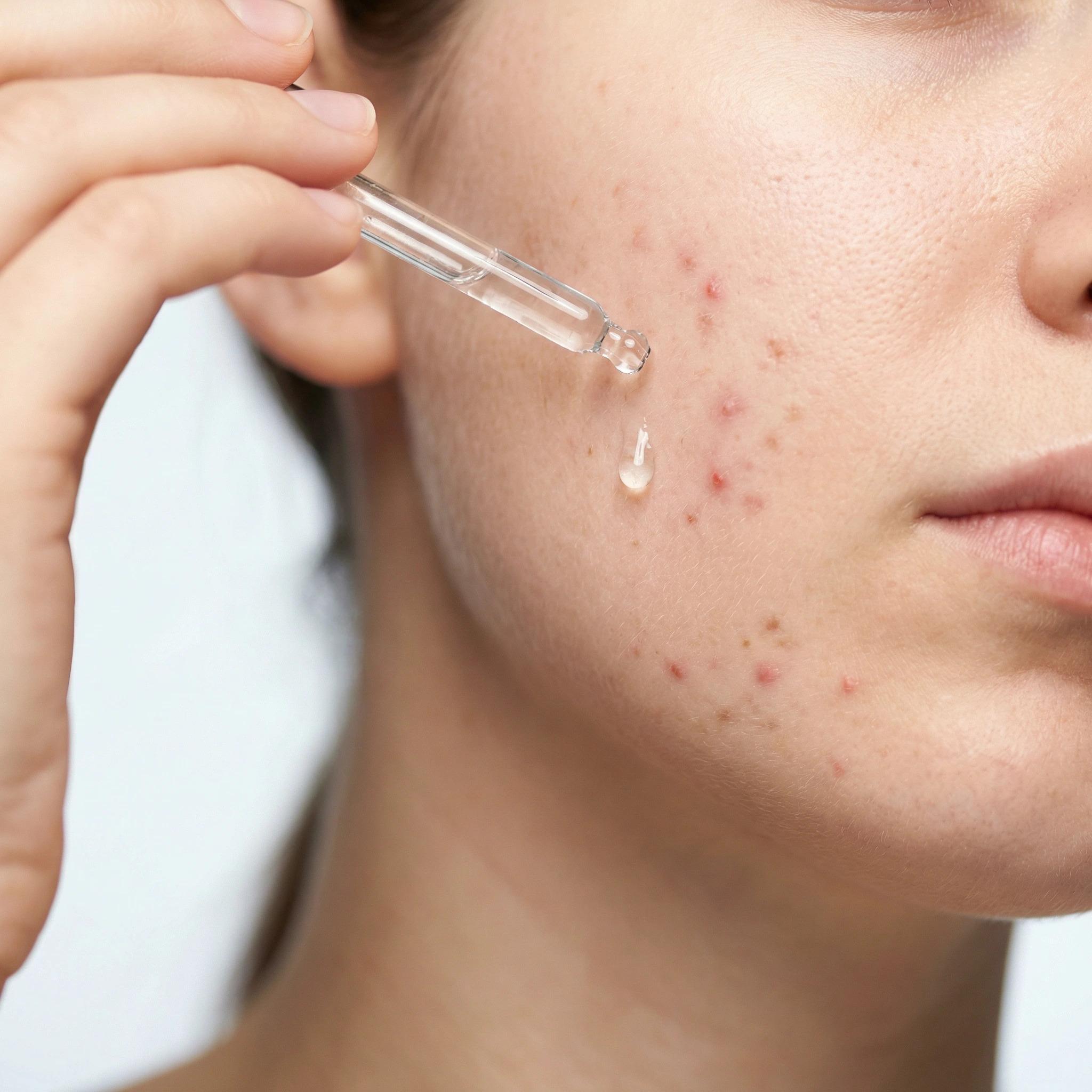
Acne is rarely just a skin problem. It eats at your confidence in the seconds before a photograph. It turns a social event into a mental inventory of every red spot. It whispers that if you could only find the right product, the right food, the right routine, you would finally be in control. The truth is both simpler and more complex: acne is a medical condition, and treating it effectively often requires moving beyond store-bought spot treatments and harsh scrubs. At Enfield Royal Medspa, acne is understood not as a passing cosmetic nuisance but as a chronic, inflammatory condition that deserves a thoughtful, layered strategy. The goal is not to wage war on your skin but to restore its health from the inside out.
Effective acne treatment targets the root causes rather than chasing individual blemishes. For some, that means a recalibration of topical skincare. For others, it includes in-office procedures that speed healing and prevent lasting scars. The path to clearer skin looks different for everyone, but it almost always begins with a clear-eyed look at what is actually happening beneath the surface.
Acne vulgaris, the medical term for common acne, develops when four processes intersect: excess oil production, the accumulation of dead skin cells that block hair follicles, an overgrowth of the bacteria Cutibacterium acnes, and inflammation. These factors create the perfect storm for blackheads, whiteheads, papules, pustules, and in more severe cases, deep, painful nodules and cysts. Hormonal fluctuations—during puberty, menstrual cycles, pregnancy, or conditions like polycystic ovary syndrome—often drive that initial surge in sebum, which is why breakouts can persist well into adulthood.
What shows up on the skin’s surface is only part of the story. Beneath each visible pimple, inflammation can silently damage collagen and leave behind discoloration or pitted scars long after the spot has healed. This is why reactive, spot-directed care rarely brings lasting relief. A comprehensive approach addresses the cycle at multiple points: reducing oil production, encouraging healthy cell turnover, calming inflammation, and controlling bacteria without damaging the skin barrier.
Drugstore aisles are crowded with cleansers, toners, and drying patches that promise a quick fix. While some over-the-counter ingredients, like benzoyl peroxide and salicylic acid, can help mild cases, they often fall short for persistent or inflammatory acne. More importantly, they don’t account for your specific skin type, sensitivity, or the presence of post-inflammatory hyperpigmentation—the stubborn dark marks that linger after a pimple fades.
A trained provider at a medical practice can look at your skin through a different lens. They can distinguish between comedonal acne, inflammatory acne, and hormonal patterns, and they can prescribe-grade topicals like retinoids, stronger benzoyl peroxide formulations, or azelaic acid. When appropriate, they may recommend in-office treatments that accelerate clearing and prevent scarring. At its core, a professional plan replaces guesswork with precision.
For many people, in-office treatments bridge the gap between a good home routine and the clear skin they’ve been chasing. These procedures are not substitutes for daily care; they are strategic reinforcements that address acne more aggressively while also targeting the after-effects, like uneven texture and pigmentation.
Chemical peels use alpha- and beta-hydroxy acids, or sometimes trichloroacetic acid, to exfoliate the outermost layers of skin, unclog pores, and reduce surface bacteria. A series of gentle to moderate peels, spaced a few weeks apart, can calm active breakouts, fade dark spots, and leave the skin noticeably smoother. Salicylic acid peels, in particular, are lipophilic, meaning they are drawn to oil, making them a popular choice for acne-prone skin.
Laser and light-based therapies work by targeting different players in the acne cycle. Blue light treatments kill C. acnes bacteria, while certain lasers can shrink sebaceous glands and reduce oil production over time. For patients who struggle with both active acne and lingering red or brown marks, vascular lasers can significantly fade post-inflammatory erythema, and fractional lasers can gently resurface skin to improve texture.
Microneedling, while primarily associated with collagen induction, plays a meaningful role in post-acne scar management. By creating microscopic channels in the skin, it stimulates collagen and elastin production, gradually softening the appearance of indented scars such as rolling and boxcar types. When performed on skin that is no longer actively inflamed, it can smooth texture without the downtime of more aggressive resurfacing.
Manual extractions, performed in a clean, professional setting, can safely clear blackheads and whiteheads without causing the trauma that leads to scarring or infection. Extractions at home, however tempting, often push debris deeper into the follicle and rupture the follicle wall, turning a non-inflammatory lesion into an angry, red pimple.
For isolated, painful cystic lesions, a short course of corticosteroid injection can flatten a stubborn bump within 24 to 48 hours. This is a targeted rescue measure used sparingly to prevent scarring and relieve discomfort, not a primary acne treatment.
In-office procedures work best when supported by a consistent home routine that does not over-strip the skin. The temptation is to scrub hard, dry everything out, and skip moisturizer—but a compromised skin barrier only triggers more oil production and inflammation. A smarter routine typically includes:
This minimalist, consistent foundation gives the skin space to heal while active ingredients do their work. When you stop chasing irritation, inflammation often follows suit.
Acne treatments do not provide overnight clearance. An initial breakout—often called purging—can occur when retinoids or peels accelerate cell turnover, bringing clogs to the surface faster. This phase is temporary, but it can be discouraging without the right expectation-setting. Most people begin to see genuine improvement in inflammatory acne after four to eight weeks of consistent treatment, with optimum results emerging over three to six months. In-office procedures can hasten that timeline, particularly for stubborn lesions and post-acne marks, but they are not instant reset buttons.
A typical in-office session, whether a peel or a laser treatment, lasts 20 to 45 minutes and may cause mild redness or peeling for a few days. Your provider will guide you on how to adjust your home routine around the treatment—often simplifying to a gentle cleanser and moisturizer for a short window—and when to reintroduce active ingredients. There is no one-size-fits-all schedule, but monthly visits for the first few months are not uncommon when you’re working toward a significant improvement.
Anyone dealing with persistent acne that doesn’t respond to over-the-counter products, or who is starting to notice scarring or hyperpigmentation, is a good candidate for professional evaluation. Patients with deep, painful cysts should particularly seek early intervention, as these lesions carry a higher risk of permanent scarring. Acne can be safely treated across all ages and skin tones when the approach respects individual skin physiology. A prior history of keloid scarring, certain autoimmune conditions, or pregnancy will guide which treatments are appropriate, and a thorough medical history is always taken.
Acne is a chronic condition, and the goal of treatment is control, not a permanent cure. Many people achieve clear skin for extended periods, then experience occasional flares related to stress, hormones, or seasonal shifts. Maintenance is part of the picture—whether that means continuing a low-dose topical retinoid indefinitely, scheduling periodic peels, or having a plan in place for the rare breakout.
The quiet victory of good acne treatment is not just a clearer complexion but a lighter mind. When your skin no longer demands constant surveillance, you reclaim mental space for the things that matter. If you are ready to move beyond the cycle of trial and error, the team at Enfield Royal Medspa in Melbourne, FL, can help you build a realistic, evidence-based plan that works in harmony with your life and your skin.