English
 Arabic
 French
 Spanish
 Portuguese
 Deutsch
 Turkish
 Dutch
Dutch
 Italiano
 Russian
 Romaian
 Portuguese (Brazil)
 Greek
Greek
FYP Book Backtrack by Marc Cameron
Shopping |
2026-07-02 02:41:48
 Advertise With Us
 About Us
 Terms And Conditions
 Политика конфиденциальности
Смотреть все
Политика конфиденциальности
Смотреть все

Обновить до Про
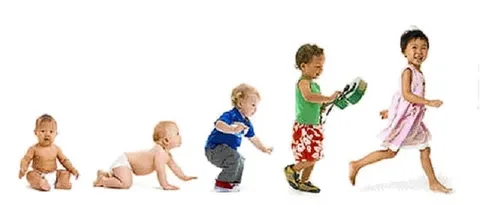
Physical development is the foundation of a healthy childhood. Every skill a child builds rests on physical ability. Walking, reaching, climbing, and playing all depend on it. When physical development proceeds well, children thrive across every domain. They explore confidently, socialise freely, and learn with curiosity. When physical development lags, the effects ripple through every area of life. Academic participation, friendships, and self-esteem are all affected. Understanding why early physical development matters empowers parents to act early. This article explores the importance of physical development in the critical early years.
The early years of life represent a critical developmental window. The brain is extraordinarily plastic during the first five years. Neural connections form rapidly in response to movement and sensory experience. Interventions delivered during this window produce the greatest and most lasting change. Physical skills developed early become the platform for all future learning. Children who miss foundational physical milestones often struggle in subsequent stages. The compounding nature of development means early deficits grow over time. Acting early is always more effective than waiting and hoping for improvement.
Movement and neurological development are profoundly interconnected. Physical activity stimulates the formation of new neural pathways. Complex movement challenges develop planning, sequencing, and coordination circuits. Bilateral movements strengthen the connections between the brain's two hemispheres. Sensorimotor experiences shape how children process information and learn. Children who engage in rich, varied movement experiences develop stronger cognitive foundations. Physical development is therefore not separate from brain development. It is one of the primary drivers of neurological growth in young children.
Developmental milestones mark the typical sequence of physical skill acquisition. They provide a useful reference point for tracking a child's progress. Rolling over occurs around four months. Sitting with support emerges around six months. Independent walking typically begins between nine and fifteen months. These milestones are not rigid deadlines but useful clinical guides. Consistent delays across multiple milestones signal a need for professional assessment. Early identification allows intervention to begin during the most impactful period. Missing milestones without investigation is a missed opportunity for early support.
Delayed milestones affect far more than just physical function. A child who cannot walk independently cannot explore their environment freely. Limited exploration restricts language development, cognitive growth, and social experience. Confidence suffers when physical limitations prevent participation in peer activities. Academic readiness is undermined when foundational physical skills are absent. Emotional regulation is linked to physical competence and sensory experience. Each developmental domain is interconnected and mutually dependent on the others. Addressing physical delays early protects all downstream developmental outcomes.
Children build friendships through shared physical play. Running, climbing, throwing, and chasing are the currency of childhood socialisation. Children who cannot participate physically are often excluded from peer groups. This exclusion has real and lasting emotional consequences. Social skills develop through the physical games children play together. Language develops through the collaborative narratives of imaginative physical play. A child who moves well integrates more naturally into social environments. Physical development is therefore inseparable from social and emotional growth.
Muscle strength and postural control support almost every daily activity. Core strength enables children to sit upright during classroom learning. Lower limb strength supports walking, stair climbing, and physical education. Upper limb strength underpins writing, dressing, and carrying school materials. Children with insufficient strength tire quickly and avoid demanding tasks. Poor posture during prolonged sitting affects concentration and spinal health. Physical development programmes target these foundational capacities directly. Building strength early protects children from fatigue and postural complications.
Parents are uniquely positioned to notice early warning signs. A child who consistently falls behind in physical play deserves attention. Frequent falling, poor balance, or reluctance to climb are important signals. Difficulty using scissors, pencils, or manipulating small objects warrants assessment. Asymmetric movement, persistent toe walking, or muscle stiffness are significant signs. Recognising these signals promptly leads to earlier intervention and better outcomes. Parents who trust their instincts and seek professional guidance serve their children well. Early assessment is always preferable to delayed recognition.
Professional physiotherapy assessment is the most important step after concern arises. A skilled paediatrics physiotherapist conducts a thorough, child-centred developmental assessment. They identify specific physical deficits and their underlying causes precisely. Treatment plans are designed around the child's individual needs and family priorities. Therapy is delivered through engaging, play-based approaches children enjoy. Goals are reviewed regularly and updated to reflect ongoing progress. Families receive clear guidance on supporting development at home between sessions. Professional physiotherapy is the most effective and evidence-based early intervention available.
Families are the most powerful influence on early physical development. The home environment shapes how children move, explore, and develop. Active, movement-rich environments encourage physical development naturally. Outdoor play, floor time, and physical exploration are powerful developmental tools. Limiting screen time and encouraging movement opportunities makes a significant difference. Parents who model active behaviour inspire their children to move more. Simple daily activities like walking to the park build foundational physical skills. Families who prioritise movement invest in their child's long-term developmental health.
Tummy time from birth builds neck, shoulder, and core strength. Floor play encourages rolling, crawling, and early weight-bearing exploration. Climbing in playgrounds develops strength, coordination, and spatial awareness. Art and craft activities build fine motor skills and hand strength. Dancing and music activities develop rhythm, coordination, and body awareness. These activities are enjoyable, accessible, and powerfully developmental. Physiotherapists often recommend them as part of home-based support programmes. Every movement opportunity in childhood contributes to physical development.
Investment in early physical development pays lifelong dividends. Children who develop physical competence early remain more active as adults. Active adults have significantly lower risks of chronic disease and mental illness. Academic and social outcomes are consistently better for physically capable children. Early physiotherapy reduces the long-term burden on healthcare and educational systems. Children who receive early support require less intensive intervention later. The return on investment in early physical development is consistently and remarkably high. Every family that prioritises physical development today protects their child's future.
Early physical development is one of the most important aspects of childhood health. It influences every developmental domain from cognition to social participation. Identifying and addressing physical challenges early produces the most meaningful outcomes. Professional physiotherapy provides the expert assessment and intervention children need. Families who act promptly and engage with therapeutic support see real results. Physical development is not something to leave to chance or time alone. Invest in your child's physical health early and confidently. The benefits will be felt in every aspect of their life for decades to come.