English
 Arabic
 French
 Spanish
 Portuguese
 Deutsch
 Turkish
 Dutch
Dutch
 Italiano
 Russian
 Romaian
 Portuguese (Brazil)
 Greek
Greek
FYP Worthy Feeling This Way by Ben Esqueda
Sports |
2026-06-22 04:56:29
 Advertise With Us
 About Us
 Terms And Conditions
 Политика конфиденциальности
Смотреть все
Политика конфиденциальности
Смотреть все

Обновить до Про
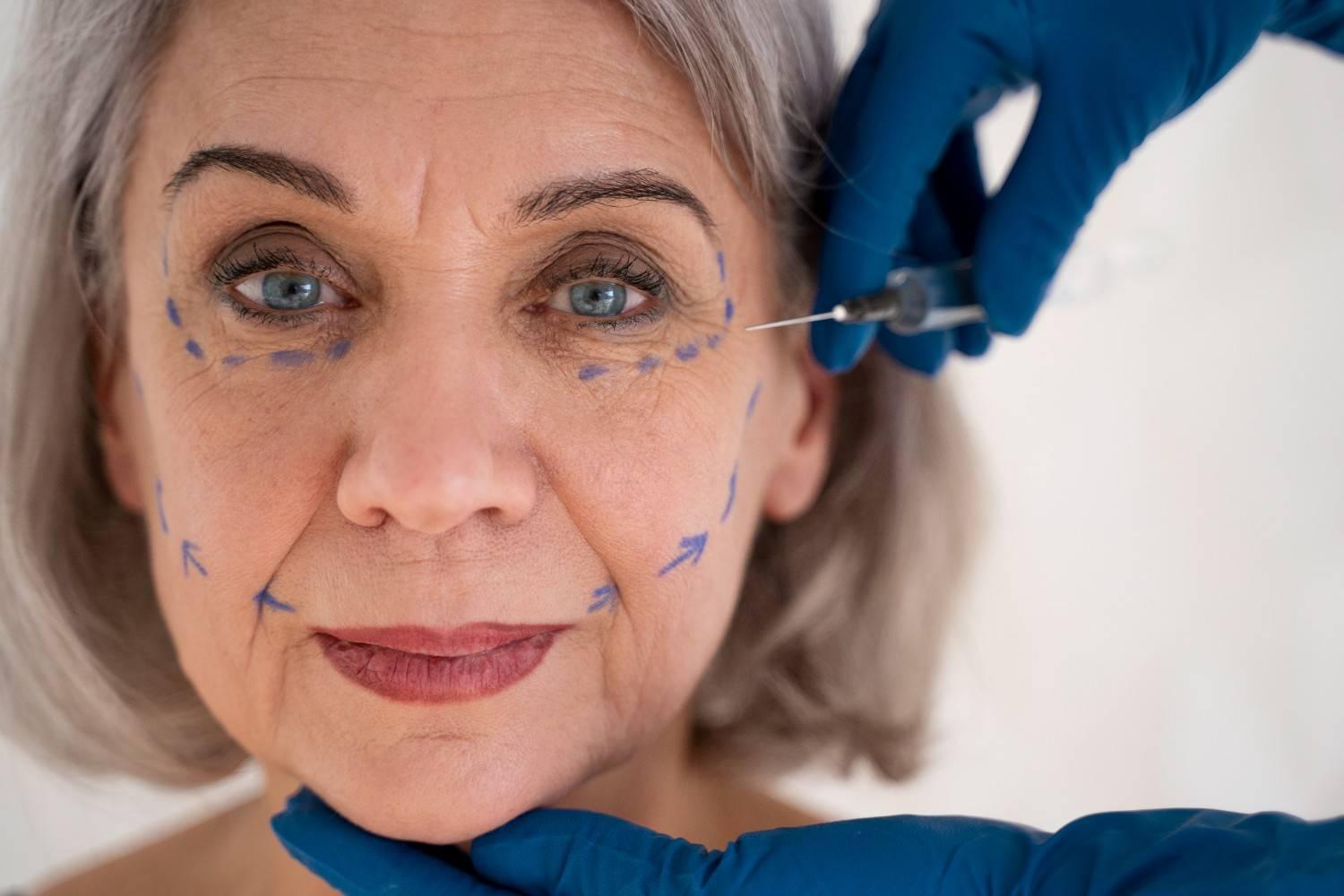
A wrinkle rarely appears overnight. What many people notice as a sudden deep line has often been developing beneath the skin for years. While aging is inevitable, the speed at which wrinkles form is influenced by everyday choices that are within your control. If you've been wondering whether deep wrinkle treatment is only necessary after wrinkles appear, the answer may surprise you. Prevention and early intervention often work together, helping preserve healthier skin and reducing the likelihood of severe facial creases later in life.
Healthy skin depends on much more than genetics. Sun exposure, nutrition, hydration, stress, sleep quality, pollution, smoking, and skincare habits all influence collagen production and skin elasticity. Although no routine can completely stop aging, adopting protective habits today can significantly reduce future damage and improve the effectiveness of deep wrinkle treatment if it becomes necessary.
Deep wrinkles form when collagen and elastin fibers gradually weaken. These proteins provide strength, flexibility, and resilience to the skin. As production slows with age, the skin becomes thinner and less capable of recovering from repeated movement and environmental stress.
Many people focus on correcting wrinkles after they become noticeable, but protecting collagen before extensive damage occurs is often more effective. Daily preventive care supports long-term skin health and may reduce the need for more intensive treatments later.
Rather than relying on a single product, think of wrinkle prevention as a collection of small habits that work together over time.
Ultraviolet radiation is one of the leading causes of premature skin aging. Even on cloudy days, UV rays penetrate the atmosphere and contribute to collagen breakdown.
Choose a broad-spectrum sunscreen with an appropriate SPF and apply it every morning to exposed skin. Reapplication is equally important during prolonged outdoor activities.
Daily sun protection remains one of the most valuable investments in long-term skin health.
Over-cleansing or using harsh soaps can strip away natural oils that protect the skin. A gentle cleanser removes dirt, excess oil, sunscreen, and pollutants while preserving the skin's protective barrier.
Healthy skin begins with balance rather than aggressive cleansing.
Hydrated skin often appears smoother because moisture temporarily improves surface texture. While moisturizers cannot erase deep wrinkles, they support barrier function and reduce dryness that may make existing lines appear more noticeable.
Ingredients such as ceramides, glycerin, hyaluronic acid, and squalane help maintain hydration throughout the day.
Certain skincare ingredients encourage skin renewal and collagen production when used consistently.
Retinoids remain among the most researched options for improving skin texture and reducing visible signs of aging. Vitamin C helps protect against oxidative stress while supporting collagen synthesis. Peptides and antioxidants also contribute to healthier skin over time.
Consistency matters more than using multiple products at once.
Healthy skin reflects healthy living. What happens inside the body often becomes visible on the surface.
A balanced diet supplies nutrients needed for collagen production and tissue repair.
Include colorful fruits, leafy vegetables, nuts, seeds, beans, whole grains, lean protein, and healthy fats in your meals. Foods rich in vitamin C, vitamin E, zinc, selenium, and omega-3 fatty acids support normal skin function and help defend against oxidative damage.
Highly processed foods and excessive sugar may contribute to inflammation that affects skin quality over time.
Water supports countless body functions, including normal skin physiology. While drinking more water will not eliminate wrinkles, adequate hydration contributes to healthier-looking skin and supports its natural barrier.
During sleep, the body repairs damaged tissues, including the skin. Poor sleep quality may increase stress hormones that interfere with collagen maintenance and skin renewal.
Aim for a consistent sleep schedule and create an environment that supports restful sleep whenever possible.
Preventing wrinkles also means recognizing behaviors that quietly accelerate aging.
Smoking reduces blood flow to the skin, limits oxygen delivery, and contributes to collagen degradation. Over time, these effects increase wrinkle formation and reduce skin elasticity.
Frequent alcohol consumption may contribute to dehydration and impair the skin's ability to maintain a healthy appearance.
Long-term stress affects hormone balance and may increase inflammation, both of which influence skin repair. Managing stress through relaxation techniques, exercise, hobbies, or mindfulness may benefit both physical and skin health.
Outdoor work, recreational activities, and even driving expose the skin to ultraviolet radiation. Protective clothing, sunglasses, hats, and sunscreen all help reduce cumulative damage.
Preventive care remains essential, but some skin changes suggest that additional measures may be appropriate.
You may wish to explore deep wrinkle treatment if:
Facial lines remain visible without expression.
Skin has noticeably lost firmness.
Wrinkles continue to deepen despite consistent skincare.
Facial volume loss makes folds appear more prominent.
Sun damage has caused uneven texture and pronounced aging.
Recognizing these changes early allows treatment plans to focus on improving collagen before skin aging becomes more advanced.
An effective morning routine does not need to be complicated.
Begin with a gentle cleanser to remove overnight oil and sweat. Follow with an antioxidant serum if appropriate, then apply a moisturizer suited to your skin type. Finish with broad-spectrum sunscreen as the final protective step before leaving home.
Each product serves a specific purpose, and using them consistently often produces better long-term results than frequently changing routines.
Nighttime offers an opportunity to support natural skin renewal.
After cleansing away sunscreen, makeup, and environmental pollutants, apply products that encourage skin repair. Retinoids, moisturizing creams, and barrier-supporting ingredients work best when used consistently according to your skin's tolerance.
Avoid introducing too many active ingredients simultaneously, as irritation may interfere with maintaining a healthy routine.
Many people unknowingly reduce the effectiveness of their skincare efforts.
Applying sunscreen only during vacations leaves the skin exposed during daily activities. Skipping moisturizer because the skin feels oily may weaken the skin barrier. Trying every trending skincare product instead of following a consistent routine often causes unnecessary irritation.
Another common mistake is assuming wrinkle prevention begins after the age of fifty. In reality, collagen production begins declining much earlier, making healthy habits beneficial throughout adulthood.
Preventive care and treatment should not be viewed as separate strategies. Instead, they complement one another.
Daily skincare protects existing collagen, while professional deep wrinkle treatment may address structural changes that have already developed. Continuing healthy habits after treatment helps preserve results, supports skin recovery, and slows future wrinkle formation.
Rather than searching for a permanent solution, think of wrinkle management as lifelong skin maintenance. Small daily choices made consistently often produce meaningful improvements that become visible over the years.
Preventing deep wrinkles is not about avoiding aging—it is about helping your skin age as healthily as possible. A consistent routine that includes sun protection, balanced nutrition, adequate hydration, restorative sleep, gentle skincare, and healthy lifestyle choices supports stronger, more resilient skin throughout life. When deeper lines eventually appear, these same habits also enhance the effectiveness of deep wrinkle treatment, making prevention one of the most valuable investments you can make for your skin.
No. While existing wrinkles cannot be completely prevented once they have formed, adopting healthy skincare and lifestyle habits at any age can slow additional skin aging, improve skin quality, and enhance the results of future deep wrinkle treatment.
Yes. Ultraviolet A (UVA) rays can pass through windows, making daily sunscreen beneficial even when spending most of the day indoors or driving. Consistent protection reduces cumulative sun damage over time.
Facial massage may temporarily improve circulation, reduce puffiness, and promote relaxation, but current evidence does not show that it can prevent or eliminate deep wrinkles on its own. It works best as part of a comprehensive skincare routine rather than a replacement for proven preventive measures.
Skin changes with age, seasons, hormones, and environmental conditions. Reviewing your skincare routine every six to twelve months helps ensure products continue meeting your skin's needs and allows adjustments before concerns become more advanced.