English
 Arabic
 French
 Spanish
 Portuguese
 Deutsch
 Turkish
 Dutch
Dutch
 Italiano
 Russian
 Romaian
 Portuguese (Brazil)
 Greek
Greek
Coffee Roasters - The Experts Behind Every Exceptional Cup of Coffee
Other |
2026-06-24 10:00:48
 Advertise With Us
 About Us
 Terms And Conditions
 Privacy Policy
See All
Privacy Policy
See All

Upgrade to Pro
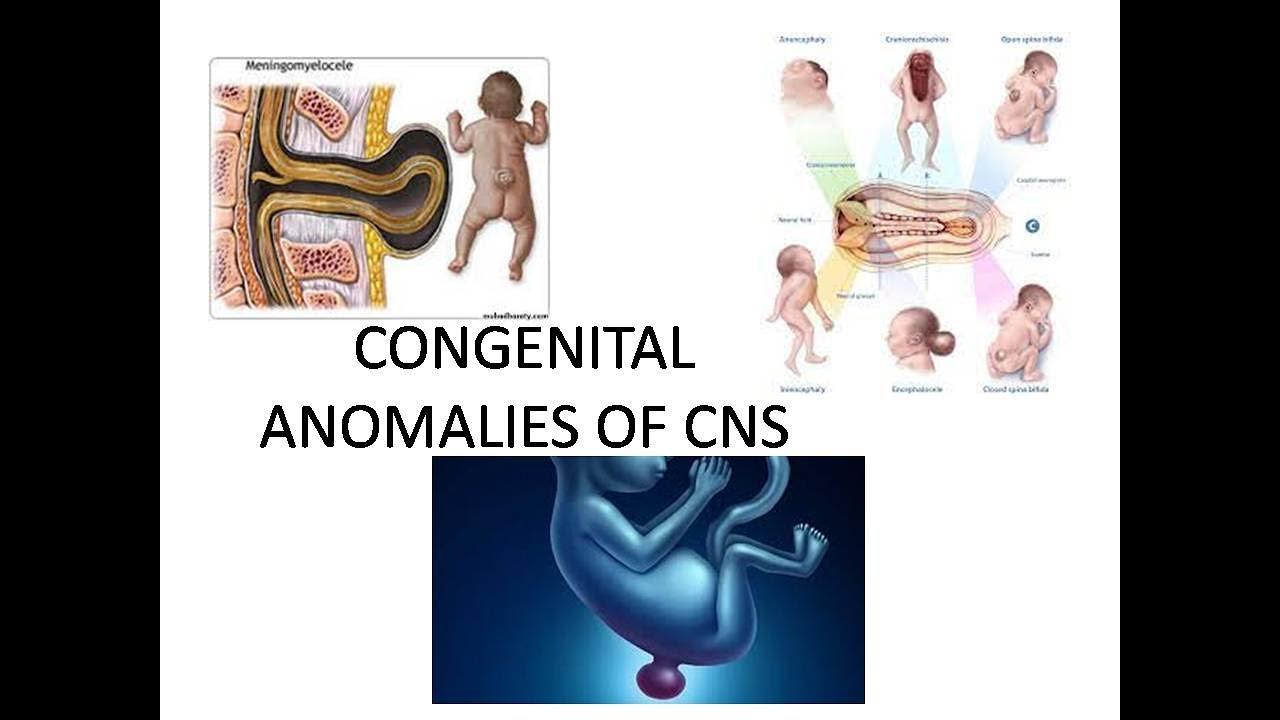
Congenital anomalies in Riyadh include a diverse array of structural and functional developmental issues, with renal malformations representing a significant category of concern for pediatric nephrologists and neonatal care teams. These anomalies, which involve the kidneys and the urinary tract, can vary in severity from minor anatomical variations that may not cause symptoms to complex malformations that necessitate early medical or surgical intervention. As medical diagnostic capabilities in the region have expanded, the early detection of these renal issues through routine prenatal ultrasound has become a cornerstone of preventative pediatric care, allowing for better planning and management to preserve long-term kidney function.
Renal malformations encompass a range of conditions, including renal agenesis (the absence of one or both kidneys), renal hypoplasia (underdeveloped kidneys), and cystic kidney diseases. Additionally, structural obstructions within the urinary system, such as posterior urethral valves or ureteropelvic junction obstructions, are frequently encountered. These defects can lead to complications such as hydronephrosis—the swelling of a kidney due to a build-up of urine—which, if left untreated, can result in renal insufficiency or failure. Because the urinary system is closely linked to amniotic fluid production during fetal development, severe renal anomalies can also have implications for lung development, underscoring the necessity of coordinated multidisciplinary care from the moment a diagnosis is suspected.
The etiology of renal anomalies is often multifaceted, involving a mix of genetic predispositions and environmental influences. In the local context, the high prevalence of consanguineous marriages is a known factor that may increase the incidence of autosomal recessive genetic disorders, some of which present with renal cystic disease as a primary feature. Furthermore, maternal health conditions, such as poorly controlled diabetes or the use of certain medications during early pregnancy, are recognized risk factors that can influence the development of the fetal urinary tract. Researchers continue to explore these potential drivers, aiming to provide more precise risk assessments for families with a history of urogenital anomalies.
The integration of high-resolution prenatal ultrasonography into standard maternal care has been a significant advancement for the early diagnosis of renal malformations. When a potential abnormality is identified, such as dilated renal pelves or abnormal bladder filling, specialized fetal medicine units provide advanced imaging to confirm the diagnosis and assess the severity. For many cases, postnatal monitoring is sufficient; however, for those with suspected obstructive uropathy, close surveillance is required to determine the optimal timing for intervention. This proactive approach ensures that infants at risk for renal impairment are identified before birth, allowing for immediate postnatal evaluation and treatment.
Once a renal anomaly is diagnosed in a neonate, the focus shifts to preserving kidney function and preventing secondary infections, such as urinary tract infections (UTIs) which can cause permanent scarring of the young kidney. Management strategies may include prophylactic antibiotics, regular renal ultrasound monitoring, and, in cases of significant obstruction, surgical correction. Pediatric urologists in the city utilize minimally invasive and endoscopic techniques, such as the ablation of posterior urethral valves, to restore normal urine flow. These interventions are critical for minimizing the impact of the anomaly on the child's developmental trajectory and overall health.
Because many congenital renal anomalies are chronic conditions, the transition from neonatal care to long-term pediatric nephrology follow-up is essential. Children with significant malformations require ongoing assessment of their blood pressure, renal function markers, and growth patterns to ensure their kidneys are developing appropriately and compensating for any functional limitations. This long-term care model is not only clinical but also educational, empowering parents to recognize the signs of potential complications and supporting the child’s transition into adolescence, where managing renal health becomes a key component of their overall wellness.
The impact of a diagnosis of a congenital renal anomaly extends to the family, who must often navigate the complexities of long-term medical management. Support systems, including dedicated nursing teams, counselors, and patient education resources, play a vital role in helping families manage the emotional and logistical challenges of their child's condition. By fostering a collaborative environment, the healthcare system ensures that parents feel confident in their role as partners in their child's care, ultimately improving adherence to treatment plans and ensuring that children with renal anomalies lead healthy, active lives in their community.
This is the fifth of 37 articles regarding congenital anomalies. Please let me know when you are ready for the next one.