English
 Arabic
 French
 Spanish
 Portuguese
 Deutsch
 Turkish
 Dutch
Dutch
 Italiano
 Russian
 Romaian
 Portuguese (Brazil)
 Greek
Greek
Breeding Crocodile Market Share Expanding Through Sustainable Production And Exports
Other |
2026-06-12 09:40:31
 Advertise With Us
 About Us
 Terms And Conditions
 سياسة الخصوصية
عرض كل النتائج
سياسة الخصوصية
عرض كل النتائج

ترقية الحساب
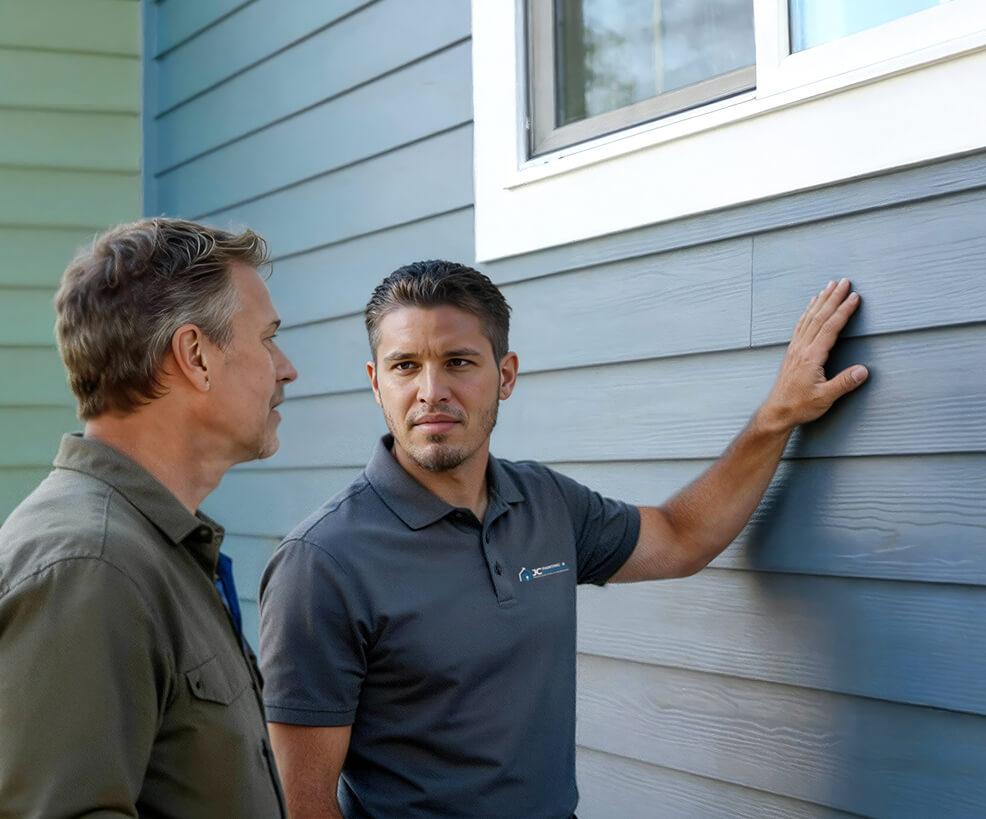
Your home's siding is the first line of defense against weather, pests, and moisture. When damage occurs, homeowners often wonder whether to repair the affected area or replace the entire siding system. The answer depends on the extent of damage, the siding material, and your long-term goals for the property.
Before deciding between repair and replacement, identify what you're dealing with. Common siding damage includes cracks, rot, warping, dents, water damage, and mold growth. Some damage is purely cosmetic, while other issues threaten your home's structural integrity and energy efficiency.
Repair is typically the most cost-effective option for minor damage affecting less than 10% of your siding. If you have a few cracked panels, isolated rot spots, or impact damage in specific areas, targeted repairs can restore functionality without major investment.
Repair works best when the underlying structure is sound and the damage is localized to one side or section of the home. Weather damage from a tree limb or hail that affects a small area is ideal for repair. You can often match existing materials, especially with popular options like vinyl and fiber cement siding.
Full replacement becomes necessary when damage is extensive, the siding is nearing the end of its lifespan, or repeated repairs keep occurring. If more than 20% of your siding shows damage, structural issues are visible, or water repeatedly enters the same area, replacement is likely more economical long-term.
Aging siding that's faded, brittle, or constantly needs maintenance signals that replacement time has arrived. Additionally, if you're planning to stay in your home for 5+ years, upgrading to superior materials can improve aesthetics and energy efficiency while protecting your investment.
Vinyl remains the most popular choice across the United States, accounting for over 30% of the residential siding market. This plastic-based material offers excellent durability, low maintenance requirements, and impressive cost-effectiveness.
Advantages: Vinyl is affordable (typically $3 to $8 per square foot installed), resistant to rot and insects, requires minimal maintenance, and comes in numerous colors and styles. It's lightweight, making installation faster and less expensive.
Disadvantages: Vinyl can crack in extreme cold, fade under intense UV exposure, and may warp if installed improperly. It's less durable than premium materials and typically lasts 20 to 40 years.
Fiber cement combines wood fibers with cement and sand, creating a durable, attractive option that mimics wood appearance without wood's vulnerabilities. It's increasingly popular in moisture-prone regions.
Advantages: Highly durable (lasting 25 to 50+ years), resistant to rot, insects, fire, and extreme weather, excellent dimensional stability, and authentic wood appearance. It accepts paint beautifully and handles coastal and humid climates well.
Disadvantages: Higher price point (typically $8 to $15 per square foot installed), heavier material requiring experienced installation, and longer installation timelines. Some products contain silica dust requiring specific handling during installation.
Traditional wood siding delivers timeless beauty and natural insulation properties. Cedar and redwood are premium choices favored in New England, the Pacific Northwest, and upscale communities.
Advantages: Authentic character, natural insulation, customizable appearance, and availability in various styles including shingles, shakes, and planks.
Disadvantages: Highest maintenance requirements, susceptible to rot and insect damage, needs regular painting or staining, shortest lifespan (15 to 30 years), and premium pricing ($10 to $20+ per square foot installed). Climate significantly impacts longevity.
Aluminum and steel siding options offer durability and modern aesthetics. While less common than vinyl or fiber cement, they suit contemporary home designs and commercial applications.
Advantages: Highly durable (30 to 40+ years), fire-resistant, lightweight, and recyclable. Aluminum resists corrosion well, though steel requires proper coating.
Disadvantages: Can dent, may require special tools for repair, limited color options, and installation requires specialized expertise. Aluminum conducts temperature, potentially affecting energy efficiency.
Repairing siding varies dramatically based on damage type and material. A single vinyl panel replacement runs $150 to $400, while fiber cement panels cost $300 to $800. Wood shingle repairs range from $200 to $600 per section.
For widespread issues like water damage affecting multiple panels, expect total repair costs of $1,000 to $5,000. Labor costs typically run $50 to $150 per hour, depending on your region and contractor expertise.
Complete siding replacement depends heavily on home size, material choice, and regional labor rates. Here's what USA homeowners typically expect:
Vinyl Siding: $4,000 to $15,000 for an average 2,000-square-foot home. This represents the most affordable option.
Fiber Cement Siding: $10,000 to $25,000 for equivalent coverage. The premium price reflects superior durability and performance.
Wood Siding: $15,000 to $40,000+ depending on wood species and complexity. Maintenance adds ongoing costs.
Metal Siding: $8,000 to $20,000 depending on type and finish quality.
These estimates include materials and labor but may not include additional costs for removing old siding (typically $1,000 to $3,000), addressing underlying structural damage, or updating insulation and weatherproofing systems.
Climate significantly impacts siding performance and material selection:
Cold Northern Climates: Choose materials that handle freeze-thaw cycles well. Fiber cement and quality vinyl perform better than wood. Budget higher installation costs due to seasonal labor availability.
Hot Southern and Southwestern Regions: UV-resistant materials like fiber cement excel. Light colors reflect heat, reducing cooling costs. Consider how materials perform in intense sun.
Humid Coastal Areas: Prioritize rot-resistant materials. Fiber cement outperforms wood. Factor in salt corrosion resistance for metal options. Moisture-resistant underlayment becomes crucial.
Temperate Mid-Atlantic and Midwest: Balanced performance across materials, but wind and hail resistance matter. Vinyl works adequately, while fiber cement provides superior protection and longevity.
Ask these questions to guide your decision:
Start by getting multiple estimates from licensed contractors. A thorough inspection reveals underlying issues that affect your decision. Many problems suggest deeper damage than surface appearance indicates.
Request warranty information for both repairs and replacement work. Quality contractors stand behind their work with written warranties covering materials and labor.
Consider your home's future value and your personal comfort level. If you're not confident in the underlying structure, replacement offers peace of mind. If damage is truly isolated and your siding still has years of useful life, targeted repair saves money now.
Damaged siding can usually be repaired if the damage is minor and localized, but extensive damage often makes full replacement more economical. Vinyl siding offers affordable repair and replacement options, while fiber cement provides superior durability for slightly higher cost. Wood delivers authentic beauty but demands constant maintenance. Metal options suit specific applications and modern aesthetics.
The best choice depends on your damage extent, material preference, budget, and long-term plans. Get professional inspections, request multiple quotes, and don't skip repairs if water intrusion is occurring. Your siding investment protects everything behind it, making the repair versus replacement decision one of your home's most important choices.