English
 Arabic
 French
 Spanish
 Portuguese
 Deutsch
 Turkish
 Dutch
Dutch
 Italiano
 Russian
 Romaian
 Portuguese (Brazil)
 Greek
Greek
Essentials Hoodie: The Streetwear Essential That Never Goes Out of Style
Shopping |
2026-05-30 11:15:15
 Advertise With Us
 About Us
 Terms And Conditions
 Política de Privacidade
Ver Todos
Política de Privacidade
Ver Todos

Atualize para o Pro
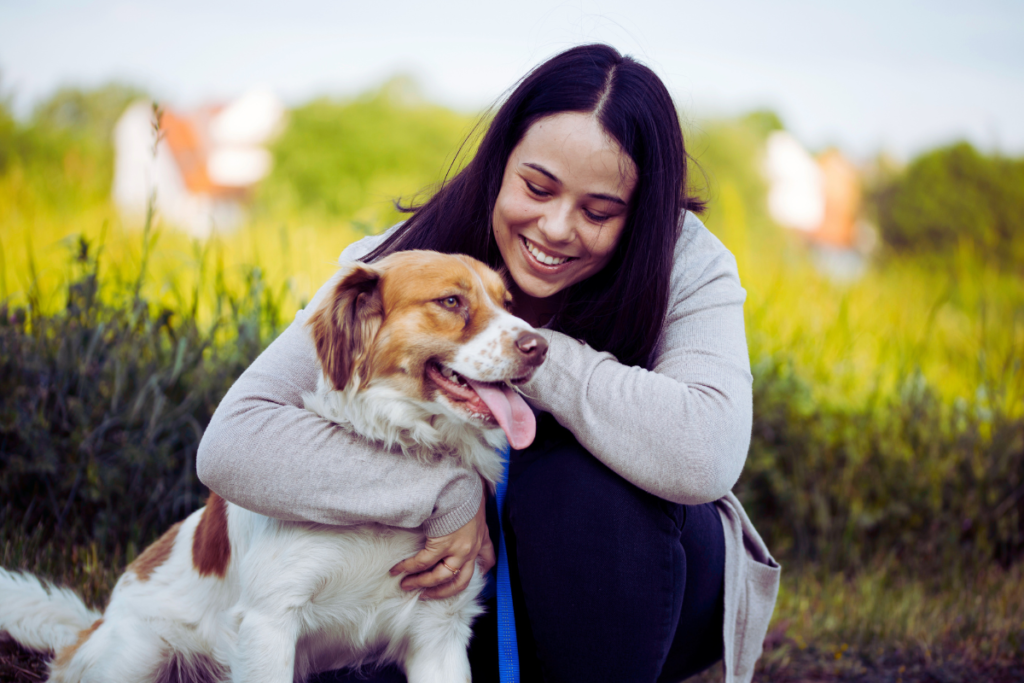
Moving to Canada is a life-changing decision for any family. When pets are part of that family, the stakes rise significantly. Canada has strict animal import regulations that every owner must understand. Failing to prepare properly can result in border rejection or quarantine.
Canada's biosecurity framework protects its domestic animal population aggressively. The Canadian Food Inspection Agency oversees all incoming animal movements. Their guidelines are updated regularly based on global health data. Checking current CFIA requirements before beginning any preparation is always essential.
Every pet entering Canada must meet species-specific and origin-specific requirements. Dogs and cats face different rules than birds or exotic animals. The country your pet comes from also shapes what documents you need. Confirming these specifics early prevents wasted preparation effort on the wrong requirements.
Canada operates under two distinct levels of animal regulation. Federal rules govern entry into Canada at all border crossings. Provincial rules govern ownership and breed restrictions after arrival. Both must be researched before finalizing your relocation destination.
Ontario's breed-specific legislation restricts certain dog breeds within the province. Alberta and British Columbia maintain different but equally important local rules. A dog cleared at the federal border may face provincial restrictions. Researching your destination province is just as important as researching border requirements.
Documentation is the backbone of any successful pet import into Canada. A health certificate issued by an accredited veterinarian is mandatory. It confirms your pet is healthy and fit for international travel. This certificate must be issued within a specific window before your entry date.
Rabies vaccination records are required for most dogs entering Canada. The vaccine must be current and administered within the valid timing window. Expired or mistimed vaccination records are treated as missing documents entirely. Your vet should help you calculate the correct administration timing.
Microchipping provides permanent, reliable identification for internationally traveling pets. ISO-standard microchips are the recognized format at Canadian border crossings. A non-standard chip may not be readable by the scanners used at the border. Confirm your pet's chip meets ISO 11784 or 11785 standards before departure.
All identification details must be consistent across every document you carry. Your pet's name, breed, and microchip number must match everywhere they appear. Inconsistencies across records trigger additional scrutiny during border inspection. Reviewing every document for consistency before travel is a non-negotiable final step.
International pet relocation requires a preparation window of several months. Vaccination timing, health certificate validity, and permit processing all have dependencies. Rushing any single step creates gaps that cause complications at the border. Starting six months before your planned move date provides adequate buffer time.
Build extra time into your schedule for unexpected complications along the way. A pet illness before departure can delay vaccination or health certificate timing. Administrative delays in permit processing can push your timeline significantly. Early starters absorb these disruptions without missing critical regulatory deadlines.
Not every veterinarian can issue internationally valid health certificates. An accredited export vet holds specific authorization to issue this document. Using an unaccredited vet produces a certificate that border officials will reject. Ask your vet directly about their accreditation status before relying on them.
Vets experienced with Canadian entry requirements are the most reliable choice. Their familiarity with CFIA standards reduces the risk of documentation errors. They will also advise on vaccination timing relative to your planned entry date. Specialist veterinary input is worth the additional cost for international pet relocation.
The complexity of international pet relocation justifies professional help in most situations. Trusted pet import services manage documentation, veterinary coordination, and transport logistics comprehensively. Their expertise eliminates the most common and costly errors in the entire process. Owners who use professional services report significantly smoother border crossing experiences.
Professional services also monitor regulatory changes that may affect your situation. CFIA requirements can change with limited public notice and affect documentation validity. A professional service ensures your documents always reflect current applicable standards. This knowledge advantage protects you from acting on outdated regulatory information.
Physical preparation begins with a pre-travel veterinary health assessment. Your vet confirms your pet is fit for the demands of an international journey. They may recommend supplements, diet adjustments, or calming aids specifically. Addressing health concerns before departure prevents mid-journey complications for your animal.
Carrier acclimation is equally important in the preparation process. Begin introducing the carrier weeks before your departure date approaches. Feed your pet inside it and allow them to sleep in it regularly. A pet comfortable in its carrier handles travel stress far more effectively.
Arrival marks the beginning of an important adjustment period for your pet. Give your animal a quiet, calm space immediately upon reaching your destination. Avoid overwhelming them with new people or stimulating environments right away. Gradual environmental introduction significantly reduces post-arrival stress for most animals.
Restore your pet's regular routine as quickly as practically possible after arrival. Familiar feeding times and exercise schedules provide emotional stability in new surroundings. Most pets settle into their new Canadian home within a few days of arrival. Consistency in your routine is the most powerful adjustment support tool you have.
Moving to Canada with a pet is manageable with proper preparation and expert support. Knowledge of requirements, timing, and documentation ensures a smooth crossing experience. Every step of preparation you complete reduces the risk of border complications. Your pet's safe and comfortable arrival in Canada is entirely within your control.