English
 Arabic
 French
 Spanish
 Portuguese
 Deutsch
 Turkish
 Dutch
Dutch
 Italiano
 Russian
 Romaian
 Portuguese (Brazil)
 Greek
Greek
U.S. Fluxless Attach Systems Market to Reach USD 985.0 Million by 2036 as Advanced Semiconductor Assembly Drives 13.7% CAGR
Other |
2026-07-25 07:02:32
 Advertise With Us
 About Us
 Terms And Conditions
 Политика конфиденциальности
Смотреть все
Политика конфиденциальности
Смотреть все

Обновить до Про
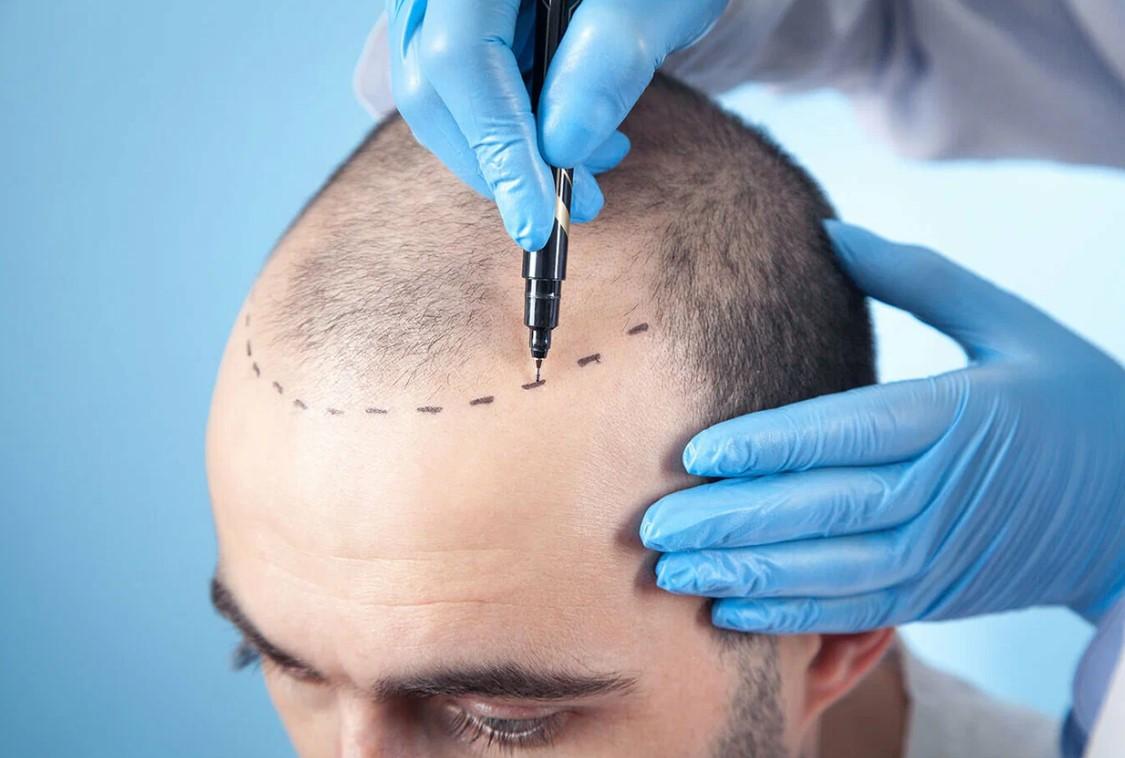
Restoring the crown—the circular area at the top of the scalp—presents a unique set of challenges that distinguish it from frontal hairline reconstruction. For those seeking crown restoration in Riyadh, it is vital to understand the specific anatomy of this region, the graft volume required, and the strategic planning necessary to achieve a natural, balanced result. Crown restoration is often considered one of the more complex areas of hair transplantation, but with the right approach, it can significantly enhance the overall appearance of the scalp.
Hair transplant in Riyadh is a popular hair restoration procedure that helps individuals address hair loss and achieve a fuller, more natural-looking hairline with long-lasting results.
The crown is fundamentally different from the frontal hairline. While the hairline is a single, distinct boundary, the crown features a complex, radial pattern of hair growth, often referred to as a "whorl." The hair in this region grows in a spiral or circular direction, and the density must be feathered carefully to blend into the surrounding native hair.
In advanced cases of hair loss, the crown is often one of the last areas to be addressed because it is expansive. The surface area of the crown is deceptively large; a small circular spot on the crown requires significantly more grafts to achieve the same visual density as a similar-sized area at the hairline. Because of this surface area, many beginners find that their expectations for "full coverage" must be calibrated to the reality of the high graft counts required.
A primary factor in crown restoration is the "donated hair budget." Because the crown requires such a high volume of grafts to look full, surgeons must be extremely strategic. If a surgeon attempts to create maximum density across the entire crown in a single session, they may deplete the donor supply, leaving little hair for other areas or for future refinement.
In Riyadh, professional clinics often recommend a "centralized density" approach. The surgeon focuses on the center of the crown—the area that is most visible when viewed from behind and above—and gradually thins the density as they move toward the outer edges where the crown blends into the rest of the scalp. This technique is known as "gradient density," and it creates a highly natural look that is much more sustainable for your donor hair reserve. It is often better to have a slightly lower density that covers the entire crown uniformly than to have high density in one spot and total baldness elsewhere.
For crown restoration, Follicular Unit Extraction (FUE) is the most widely utilized method. The ability to extract individual follicles allows the surgeon to pick the most robust grafts for the crown. When placing these grafts, the surgeon must be an expert in "directional placement." Because the hair grows in a swirl, the surgeon cannot simply place the hair at a single angle. They must painstakingly rotate the angle of each graft to follow the natural whorl pattern of your existing hair.
Direct Hair Implantation (DHI) is also highly effective for the crown. The precision of the implanter pen allows the surgeon to place grafts very close together without damaging the surrounding native hair, which is often still present in the crown area in cases of diffuse thinning. This "inter-follicular" placement is critical to adding density without risking "shock loss" to the hairs that are already growing in the crown.
If you are planning a transplant for the crown, you must prepare for a different growth timeline than you would for a frontal hairline. The skin on the crown is slightly thicker and has a different vascular supply than the skin on the forehead, which can sometimes result in a slightly slower growth rate.
Additionally, the crown is a "dynamic" area. Because hair loss often progresses outward from the crown, it is important to understand that the crown is a moving target. Many surgeons will advise leaving a small margin around the outer edge of the crown to allow for the potential, natural progression of hair loss over time. This conservative approach ensures that your transplant continues to look natural even if your hair continues to thin elsewhere.
For those with advanced hair loss, the crown often competes with the frontal hairline for grafts. If your hair loss is extensive, you will likely need to prioritize. Most specialists will recommend that you prioritize the frontal hairline and mid-scalp first, as these areas frame the face and have the most significant impact on your overall appearance. Once the front is addressed, a second session can be dedicated specifically to the crown.
Attempting to fix both the hairline and the crown to full density in one procedure is a common mistake that leads to over-harvesting. A phased approach—where you return for a second, dedicated crown session 12 to 18 months after the first—is often the gold standard for achieving the best aesthetic outcome in Riyadh’s top-tier clinics.
Healing in the crown area requires specific attention. Because the crown is located at the top of the head, it is more susceptible to pressure (from hats or sleeping positions) and sun exposure. You will need to be particularly careful during the first two weeks post-surgery to avoid any trauma to this area.
You should also be prepared for a slightly different experience with shedding. Because the crown often has a mix of transplanted and native hair, the "shock loss" phase can feel more noticeable. Maintaining regular follow-up appointments with your clinic in Riyadh allows the team to monitor the crown’s healing and ensure that the angle of growth remains consistent with your natural whorl.
Crown restoration is an exercise in artistry. When evaluating clinics in Riyadh, do not just look for successful hairline results; look specifically for their portfolio of crown restoration. Ask the surgeon:
"How do you plan to match the radial growth pattern of my crown?"
"How will you manage the density gradient to ensure the transition is invisible?"
"Are you planning for the potential progression of my hair loss?"
"What is your strategy for combining crown restoration with other areas of my scalp?"
A clinic that speaks in terms of "aesthetic gradient," "graft conservation," and "whorl direction" is a clinic that understands the nuances of crown restoration.
Restoring the crown is a journey toward balance. It is about creating a consistent look that transitions seamlessly from the front of your head to the back. While it requires patience and, in many cases, a staged surgical plan, the results of a professionally performed crown transplant are immensely rewarding. It completes the look of a full head of hair and provides a sense of uniformity that is hard to achieve through any other means.
By working with an experienced team in Riyadh, respecting the biological limits of your donor area, and embracing a strategic plan that considers both your current needs and your future hair health, you can achieve a successful restoration of the crown. Remember, the crown is not just about density—it is about the flow, the angle, and the art of recreating a natural pattern that complements your unique hair growth.