English
 Arabic
 French
 Spanish
 Portuguese
 Deutsch
 Turkish
 Dutch
Dutch
 Italiano
 Russian
 Romaian
 Portuguese (Brazil)
 Greek
Greek
Arthroscopic Visualization Instrument Market Size, Share, Growth Trends and Forecast 2034
Health |
2026-08-12 12:37:22
 Advertise With Us
 About Us
 Terms And Conditions
 Privacy Policy
Mostra tutti i risultati
Privacy Policy
Mostra tutti i risultati

Passa a Pro
Content:
Construction projects carry significant environmental responsibility. Understanding what lies beneath a site before breaking ground is essential. Environmental site monitoring protects communities, ecosystems, and future occupants. It also protects developers from unexpected legal and financial liabilities. This article explains why environmental monitoring before construction matters profoundly.
Many construction sites have complicated land use histories. Former industrial, agricultural, or commercial activities leave contamination behind. Petroleum hydrocarbons, heavy metals, and solvents persist in soils for decades. These contaminants pose serious risks to workers and future building occupants. Identifying them before construction begins is a fundamental responsibility.
Contamination hidden beneath a proposed construction site is not always visible. Surface conditions can appear perfectly normal while soils below are severely impacted. Groundwater contamination is entirely invisible without dedicated investigation. Without monitoring, construction teams may unknowingly expose workers to hazardous materials. Preventing these exposures starts with comprehensive pre-construction environmental monitoring.
Geological conditions also affect construction safety in ways that are not visible. Unstable soils, underground voids, and high water tables require engineering consideration. Monitoring programs identify these conditions before foundation design is finalized. Discovering subsurface hazards after construction begins is far more costly. Pre-construction monitoring saves money by enabling informed design from the outset.
Establishing baseline environmental conditions serves multiple important purposes. Baseline data documents the state of the environment before any construction disturbance. This documentation protects developers from liability for pre-existing contamination. Regulatory agencies use baseline data to evaluate construction impacts fairly. Without a documented baseline, disputes about contamination sources become very difficult to resolve.
Baseline monitoring data is also required for many regulatory approval processes. Environmental impact assessments rely on pre-construction data to evaluate impacts accurately. Construction permits in sensitive areas often require demonstrating environmental baseline conditions. Complete and well-documented baseline monitoring supports faster regulatory approvals. Developers who invest in baseline monitoring avoid delays caused by incomplete applications.
Environmental site monitoring encompasses soil, groundwater, and air quality assessment. Soil sampling collects samples at strategic depths and locations across the site. Groundwater monitoring requires well installation to access subsurface water conditions. Air quality monitoring assesses dust and vapour conditions during investigation activities. Each monitoring component addresses different aspects of site environmental conditions.
The specific monitoring program is designed based on site history and proposed use. Former industrial sites require comprehensive investigation of multiple contaminant types. Agricultural sites focus monitoring on pesticide and nutrient contamination. Urban brownfield sites address the full range of legacy industrial contamination types. Experienced environmental professionals design monitoring programs that address the actual risk profile of each site.
Groundwater monitoring is among the most critical components of pre-construction environmental assessment. Wells installed at strategic locations intercept groundwater beneath and around the site. Water samples collected from these wells reveal contamination in the groundwater system. Monitoring well networks characterize groundwater flow directions and contamination distribution.
The practice of environmental well drilling for pre-construction monitoring requires strict adherence to construction standards. Properly cased and grouted wells prevent cross-contamination between geological zones. Well screen placement at target depth intervals captures zone-specific water quality data. Well construction quality directly determines the reliability of collected groundwater data. Poor well construction produces misleading data that can result in flawed construction decisions.
Environmental regulations increasingly require pre-construction site assessment. Many jurisdictions mandate environmental investigation before rezoning or development permit approval. Brownfield development programs require documented environmental assessment as a participation condition. Lenders require environmental clearance before approving construction financing for commercial projects. Regulatory compliance drives environmental monitoring from a professional recommendation to a legal requirement.
Meeting regulatory requirements requires monitoring programs that follow established standards. Professional environmental consultants design monitoring programs to satisfy applicable regulatory frameworks. Programs that meet standards produce results accepted by regulatory agencies without dispute. Non-compliant monitoring programs require repetition, causing costly project delays. Investing in properly designed and executed monitoring programs avoids this expensive outcome.
Regulatory agencies conduct inspections and reviews of environmental monitoring programs. Monitoring records must be complete, accurate, and professionally prepared. Gaps in monitoring records create regulatory concerns that require additional investigation. Thorough documentation of all monitoring activities protects developers during regulatory reviews. Complete records demonstrate professional practice and regulatory good faith.
Pre-construction environmental monitoring is fundamentally a worker safety measure. Construction workers who excavate contaminated soils face direct exposure risks. Volatile contaminants released during excavation create inhalation hazards for crews. Skin contact with contaminated soils transmits some contaminants through dermal absorption. Identifying contamination before excavation begins enables protective measures to be planned.
When contamination is identified through pre-construction monitoring, safety plans are prepared. Contractors receive contaminated zone maps that guide protective equipment decisions. Excavated contaminated soils are handled using procedures appropriate to their hazard level. Workers are trained on contamination recognition and emergency response procedures. Pre-construction monitoring information makes construction sites measurably safer for all personnel.
Environmental monitoring before construction is a sound financial investment. The cost of monitoring is typically a small fraction of total project budgets. The financial risks managed through monitoring are potentially enormous. Discovering contamination during construction halts projects and triggers expensive emergency responses. Pre-construction monitoring prevents these costly and disruptive discoveries.
Construction contracts benefit from accurate environmental information upfront. Contractors who know about contaminated zones include appropriate measures in their bids. Unexpected contamination discovered during construction generates costly scope changes. Change orders for contamination management can significantly exceed original monitoring costs. Accurate upfront information prevents contract disputes that damage project relationships and budgets.
Property values are also protected through thorough environmental monitoring. Properties with clean environmental documentation sell more reliably and command better prices. Environmental stigma from undisclosed contamination damages property values for years. Pre-construction monitoring and remediation eliminates stigma before it affects market value. The investment in monitoring protects the full value of the development from its inception.
Pre-construction environmental monitoring creates value that extends well beyond initial construction. Clean monitoring results provide confidence that the completed building is safe to occupy. Occupants of buildings on monitored and cleared sites face lower health risk uncertainty. Future property transactions benefit from available historical environmental documentation. Long-term property values are protected by the foundation of thorough pre-construction monitoring.
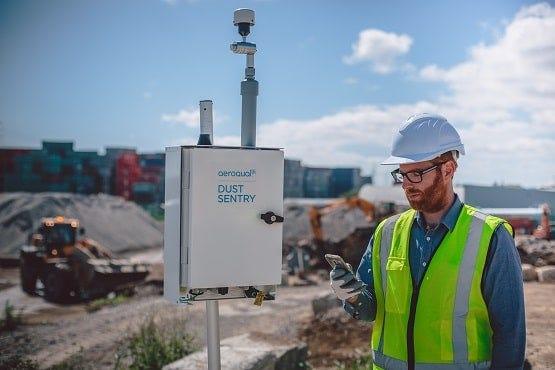
Communities surrounding construction sites also benefit from environmental monitoring programs. Monitoring verifies that construction activities do not spread contamination to adjacent properties. Groundwater monitoring detects contamination migration before it reaches community water supplies. Air quality monitoring during construction protects community residents from dust and vapour exposures. Environmental monitoring during construction is an act of community responsibility by developers.
Experienced environmental consultants deliver monitoring programs that provide genuine protection. Credentials, professional accreditation, and relevant experience guide consultant selection. References from previous construction projects of similar type and scale are valuable. Consultants who understand both environmental science and construction project dynamics add greatest value. The right monitoring partner contributes to project success far beyond their immediate deliverables.
Communication between environmental consultants and construction project teams is essential. Monitoring findings must reach project decision-makers quickly and clearly. Environmental consultants who communicate in construction project language are most effective. Regular briefings during construction monitoring keep all parties informed. A collaborative approach to environmental monitoring produces the best outcomes for all project stakeholders.