English
 Arabic
 French
 Spanish
 Portuguese
 Deutsch
 Turkish
 Dutch
Dutch
 Italiano
 Russian
 Romaian
 Portuguese (Brazil)
 Greek
Greek
Cathodic Protection Market Size Analysis, Drivers, Demand, Key Factors Forecast, 2021–2032
Home |
2026-08-06 08:29:39
 Advertise With Us
 About Us
 Terms And Conditions
 Privacy Policy
Mostra tutti i risultati
Privacy Policy
Mostra tutti i risultati

Passa a Pro
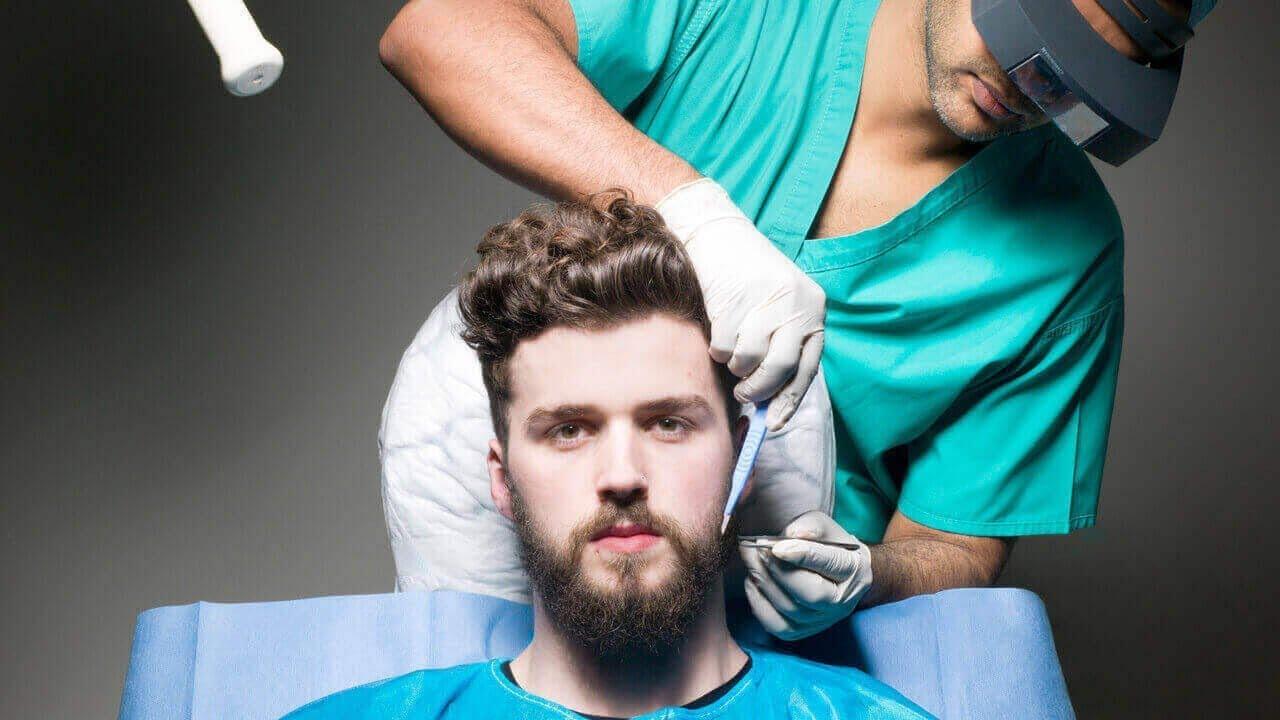
Achieving a full, thick, and perfectly contoured beard through a hair transplant is a highly sought-after goal for many men in Riyadh. While modern micro-surgical technologies boast exceptionally high success rates—often exceeding 90% in terms of follicle survival—the final aesthetic outcome is not a guaranteed, one-size-fits-all result.
Beard hair transplant in Riyadh is a popular cosmetic procedure that helps individuals achieve a fuller, denser, and more natural-looking beard by transplanting healthy hair follicles to areas with thin or patchy facial hair.
The transition from a sparse, patchy beard to a commanding, dense facial profile relies on a delicate interplay of surgical artistry, unique patient biology, strict aftercare compliance, and the distinct environmental challenges posed by the region. Understanding the primary factors that dictate the quality of your beard transplant results is essential before booking a procedure.
A beard transplant is far more challenging to execute than a standard scalp hair transplant. While scalp hair generally grows in a uniform, downward direction, facial hair features highly erratic growth dynamics. Consequently, the technical capability and artistic judgment of the surgeon are the most critical components of a successful transformation.
Natural beard hair emerges from the face at an extremely flat, acute angle, typically sitting between 10 to 15 degrees against the skin. On the cheeks, hair flows diagonally downward; along the jawline, it frames the bone structure; and beneath the chin, it often shifts forward or patterns into swirls. If a surgeon lacks specialized experience and implants the follicles at a steep, vertical angle, the beard will grow out looking wiry, unnatural, and incredibly difficult to comb or style.
A flawlessly executed transplant mimics the subtle gradients of a natural beard. The top border along the cheek should never look like a solid, opaque line; it requires a soft, sparse distribution of single-hair follicles. The density should only build as it moves down toward the center of the chin and jaw. Achieving this distribution requires a surgeon with a meticulous eye for facial symmetry and custom face-mapping.
Because synthetic hair cannot be used, your beard must be built entirely from your own existing hair follicles. Therefore, the quality and volume of your donor hair act as the baseline limitation for what the procedure can achieve.
Surgeons primarily harvest donor follicles from the back and sides of the scalp (the occipital region), where hair is genetically programmed to resist shedding. However, scalp hair is biologically different from native facial hair; it is often slightly softer and grows in groupings of two, three, or four hairs per follicle, whereas natural beard hair is coarser and typically grows as single strands.
The surgeon must meticulously sort the harvested grafts. Finer, single hairs must be preserved for the highly visible cheek line and mustache, while robust, multi-hair groupings are strategically hidden within the goatee and lower jaw to generate maximum visual volume.
If a patient desires a full, thick beard but is simultaneously suffering from advanced androgenetic alopecia (male pattern baldness), they face a limited donor reserve. Allocating 3,000 grafts to build a beard means those 3,000 follicles are no longer available to restore a receding hairline or thinning crown in the future. A highly qualified clinic will evaluate this long-term hair dynamic to prevent over-harvesting the scalp.
The specific micro-surgical technique utilized by the clinic directly influences graft handling, survival rates, and skin healing timelines. Riyadh's top clinics generally choose between two premium methodologies:
Sapphire FUE: By utilizing ultra-sharp, V-shaped blades forged from synthetic sapphire to create the recipient channels, tissue trauma is heavily minimized. This reduces localized swelling, limits post-operative scabbing, and allows the surgeon to place incisions closer together for a significantly denser end result.
Direct Hair Implantation (DHI): Using a specialized Choi Implanter Pen, the surgeon bypasses the need to pre-cut incisions. The follicle is loaded into the pen and injected directly into the facial tissue at the exact angle required. This reduces the time the follicle spends outside the body, maximizing graft survival while offering pinpoint control over the direction of growth.
The surgical procedure simply places the hair follicles into the skin; your daily habits over the following weeks dictate whether those follicles successfully take root and thrive. In Riyadh, managing external environmental stressors is paramount to protecting the healing grafts.
Riyadh’s desert environment features intense heat and a persistently high UV index. Newly transplanted follicles are incredibly sensitive to sun exposure during the first few months. Unprotected exposure to harsh sunlight can permanently damage the cellular matrix of the healing skin, leading to poor follicle survival and dark, patchy hyperpigmentation. Staying indoors during peak sun hours and shielding the face with a wide-brimmed hat during early recovery is crucial.
During the first ten days, the grafts are incredibly delicate and can easily be pulled out of place. Accidentally rubbing the face against a pillow while sleeping, wearing tight clothing that pulls over the head, or giving in to the urge to scratch healing scabs can cause irreversible graft loss. Furthermore, patients must strictly avoid traditional razor blades or electric trimmers for at least 30 days to prevent slicing into the anchoring tissue of the new roots.
Your body’s internal health directly dictates its capacity for cellular repair, tissue regeneration, and hair growth cycling.
Smoking, vaping, or using traditional tobacco products heavily compromises transplant results. Nicotine acts as a potent vasoconstrictor, meaning it physically tightens blood vessels and restricts oxygen-rich blood flow to the face. Without a robust, uninterrupted blood supply, the newly implanted grafts will starve and fail to take root, leading to poor density and patchy final growth.
Follicle production is an energy-intensive metabolic process. Maintaining a diet lacking in essential vitamins can stall growth. Ensuring a steady intake of lean proteins, iron, zinc, biotin, and vitamins A, C, and E gives the body the structural building blocks required to transition the transplanted follicles out of their post-surgical resting phase and into strong, healthy hair production.
By choosing an experienced professional who understands facial hair alignment and pairing their technical skill with rigorous, sun-safe post-operative care, you maximize the likelihood of achieving a sweeping, dense, and naturally flawless beard.