English
 Arabic
 French
 Spanish
 Portuguese
 Deutsch
 Turkish
 Dutch
Dutch
 Italiano
 Russian
 Romaian
 Portuguese (Brazil)
 Greek
Greek
Aircraft Electrification Market: Powering the Next Generation of Sustainable Aviation
Networking |
2026-07-03 06:58:24
 Advertise With Us
 About Us
 Terms And Conditions
 Privacy Policy
Mostra tutti i risultati
Privacy Policy
Mostra tutti i risultati

Passa a Pro
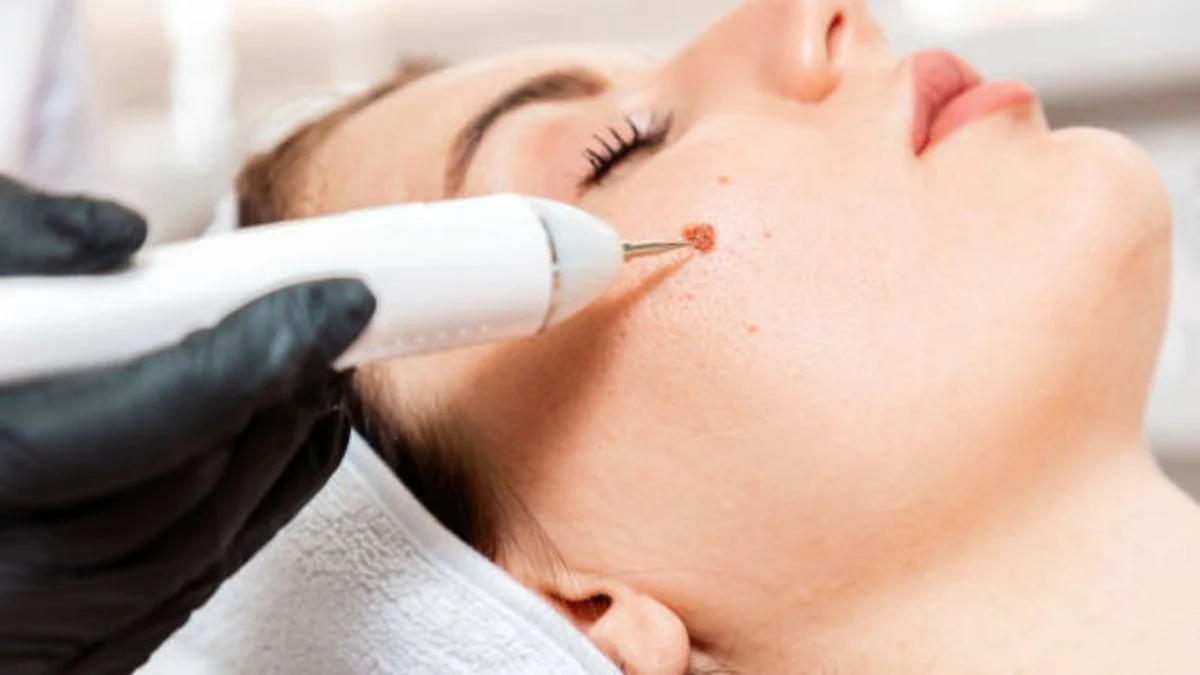
Skin Lesion Removal in Riyadh encompasses the vital service of treating actinic keratoses (AKs), which are precancerous skin lesions caused by cumulative, long-term exposure to ultraviolet (UV) radiation. These lesions typically appear as rough, scaly, or crusty patches on sun-exposed areas of the body, such as the face, ears, scalp, and back of the hands. Because actinic keratoses have the potential to progress into squamous cell carcinoma, a type of skin cancer, professional identification and removal are considered essential components of preventative dermatological care in a climate characterized by intense and prolonged sunlight.
Actinic keratoses are often easier to feel than to see, frequently described by patients as feeling like "sandpaper" when brushed against. In the clinical setting, dermatologists in Riyadh utilize a combination of visual examination and tactile assessment to identify these patches. Because AKs are a clear indicator of significant sun damage, their presence often prompts a comprehensive full-body skin screening. Patients with fair skin, a history of frequent sun exposure, or those who have spent many years living in high-UV environments are at a higher risk and are encouraged to seek regular professional monitoring to detect these lesions early, before they have the chance to transform into invasive malignancies.
The primary goal in treating actinic keratoses is the destruction of the abnormal, damaged cells. Depending on the number, size, and distribution of the lesions, specialists may utilize one or more of the following effective modalities:
Cryotherapy: This is the most common office-based treatment for individual AKs. The clinician applies liquid nitrogen to the lesion, causing the damaged tissue to freeze and peel away. This method is quick, well-tolerated, and highly effective for localized lesions.
Topical Therapies: For patients with numerous lesions or larger areas of sun-damaged skin, a "field therapy" approach using prescription creams (such as imiquimod, 5-fluorouracil, or ingenol mebutate) may be recommended. These agents work by stimulating the immune system to target and destroy abnormal cells over a period of several weeks.
Photodynamic Therapy (PDT): This advanced treatment involves applying a photosensitizing agent to the skin, which is then activated by a specific wavelength of light. This process selectively destroys precancerous cells while preserving the surrounding healthy tissue, making it an excellent option for clearing larger, sun-damaged areas.
Curettage: For thicker, more prominent lesions, a curette may be used to gently scrape away the keratotic growth, often followed by light cautery to ensure complete removal of the abnormal tissue.
The professional management of actinic keratoses is a cornerstone of skin cancer prevention. By treating these lesions early, individuals can significantly reduce their risk of developing more serious conditions. It is crucial to resist the temptation to treat these rough patches at home with unverified exfoliation methods or DIY remedies; such approaches are ineffective at reaching the full depth of the lesion and can mask the progression of the underlying cells. Clinical removal ensures that the lesion is accurately diagnosed and that the treatment is calibrated to provide the best possible outcome, providing peace of mind to the patient.
Recovery varies depending on the treatment method used. Cryotherapy typically results in minor blistering and crusting that resolves within a few days to two weeks. Topical therapies often cause temporary redness, inflammation, and peeling as the medication takes effect, which is a sign that the treatment is working. Throughout the healing process, patients are advised to keep the area clean and to avoid direct sun exposure, which can aggravate the treated skin. Using a broad-spectrum, high-SPF sunscreen daily is a non-negotiable part of the long-term management strategy to prevent the formation of new lesions.
Because actinic keratosis is a marker for chronic sun damage, patients are typically advised to maintain a routine of regular dermatological follow-ups. These appointments are vital for screening for new lesions and ensuring that existing areas of damage are managed effectively. By pairing professional treatment with a proactive approach to sun protection—such as wearing protective clothing, avoiding peak sunlight hours, and using sunscreen—individuals in Riyadh can effectively manage their skin health. This consistent, evidence-based approach is the most reliable way to mitigate the long-term risks associated with sun exposure and maintain healthy, resilient skin.
This is the seventeenth of 37 articles. Please let me know when you are ready for the eighteenth article in this series.