English
 Arabic
 French
 Spanish
 Portuguese
 Deutsch
 Turkish
 Dutch
Dutch
 Italiano
 Russian
 Romaian
 Portuguese (Brazil)
 Greek
Greek
Best Travels in Mysore | Mysore Travels
Wellness |
2026-08-19 16:02:32
 Advertise With Us
 About Us
 Terms And Conditions
 Privacy Policy
See All
Privacy Policy
See All

Upgrade to Pro
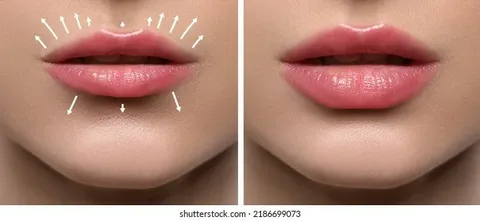
As the aesthetic industry in lips enlargement Riyadh shifts its focus toward regenerative medicine, one treatment has risen to the forefront for addressing the most challenging area of the face: the under-eyes. Polynucleotide therapy, often colloquially referred to as "Salmon DNA" treatment, represents a departure from traditional volumizing fillers, offering a way to biologically repair the delicate periorbital tissue rather than simply masking its signs of aging.
At their core, polynucleotides are long chains of nucleotides—the fundamental building blocks of DNA and RNA. In aesthetic medicine, these are derived from highly purified fragments of salmon or trout DNA. Because these fragments share a remarkable structural similarity with human DNA, they are exceptionally biocompatible and are recognized by the body as biological signaling molecules.
Unlike dermal fillers, which provide an immediate "lift" by adding physical volume to the tear trough, polynucleotides are biostimulators. When injected into the dermis, they act as a biological prompt, triggering the skin’s inherent regenerative machinery.
The under-eye region is unique; the skin here is significantly thinner than elsewhere on the face, lacks a robust subcutaneous fat layer, and is prone to chronic dehydration and oxidative stress. Traditional fillers can sometimes cause "puffiness" or the Tyndall effect (a bluish tint) in this area if placed incorrectly or if the patient is prone to fluid retention.
Polynucleotides offer a safer, more physiological alternative:
Fibroblast Activation: They signal fibroblasts to increase the production of collagen and elastin, effectively "thickening" the skin from within. This addresses the crepey, papery texture that develops with age.
Anti-Inflammatory Action: Polynucleotides have intrinsic anti-inflammatory properties. This helps to soothe the chronic, low-grade inflammation often associated with dark circles and under-eye puffiness.
Vascular Support: By improving microcirculation in the periorbital area, they can reduce the appearance of vascular-type dark circles, leading to a brighter, less "tired" look.
Hydration Density: Polynucleotides have a high capacity to bind water, providing deep, long-term hydration that plumps the skin and softens fine lines without the bulky weight of cross-linked hyaluronic acid.
In Riyadh’s leading aesthetic clinics, polynucleotide treatment for the under-eyes is typically performed as a series of sessions rather than a one-off procedure.
Preparation: A topical anesthetic is applied to ensure comfort.
Application: The polynucleotide solution is delivered via fine-gauge needles or a micro-cannula, ensuring precise placement in the dermal layer.
The "Slow-Burn" Effect: Patients should not expect immediate results. Because this is a regenerative process, visible improvements in skin quality typically begin to emerge around the three-week mark as collagen and elastin fibers remodel.
Consistency: A course of three treatments, spaced three to four weeks apart, is standard for achieving optimal results.
The beauty of the 2026 "regenerative" approach is that it rarely relies on a single modality. Many practitioners in the capital now combine polynucleotide courses with other treatments—such as light-based therapies or chemical peels—to address pigment and texture simultaneously.
The results of a full course of polynucleotides typically last six to nine months, with a single maintenance session recommended thereafter to sustain the biological "boost." This treatment is rapidly becoming the gold standard for those who reject the "overfilled" aesthetic and prioritize a refreshed, healthy, and natural appearance that looks like their younger self, rather than a modified version of it.