English
 Arabic
 French
 Spanish
 Portuguese
 Deutsch
 Turkish
 Dutch
Dutch
 Italiano
 Russian
 Romaian
 Portuguese (Brazil)
 Greek
Greek
Content Writing in Saudi Arabia | ithouse.tech
Other |
2026-08-14 09:10:05
 Advertise With Us
 About Us
 Terms And Conditions
 سياسة الخصوصية
عرض كل النتائج
سياسة الخصوصية
عرض كل النتائج

ترقية الحساب
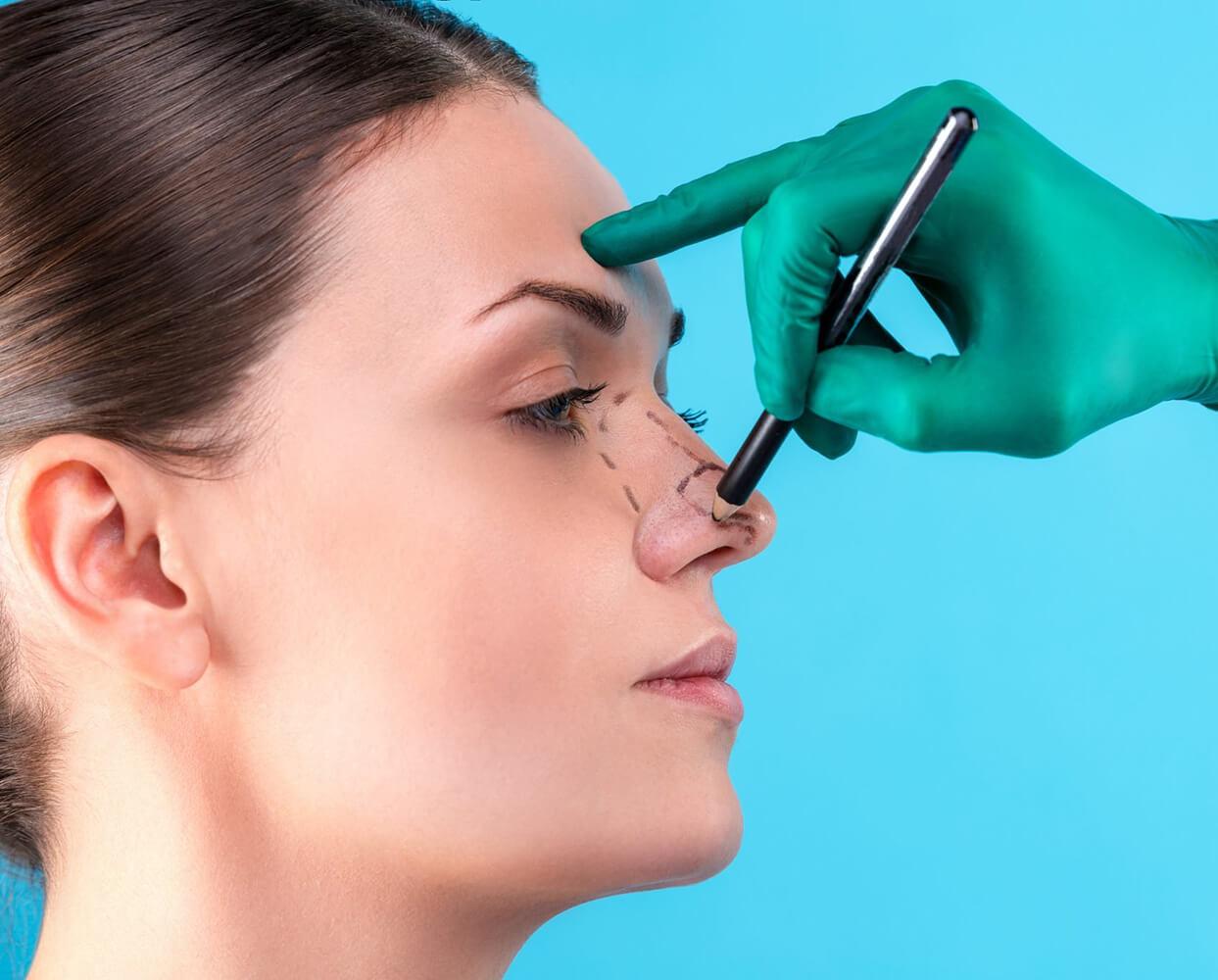
Rhinoplasty is a popular procedure in Riyadh, sought for both aesthetic refinement and functional improvement. Below are answers to the most common questions patients have.
Rhinoplasty in Riyadh is a popular cosmetic and functional procedure that helps enhance nasal appearance while improving overall facial balance and breathing function.
What is the recovery process like? Recovery is a gradual journey. Significant swelling and bruising typically last for the first 7–10 days. A splint is usually worn for about a week. While you can return to light daily activities within 1–2 weeks, the nose continues to refine for months. Most swelling subsides by 1 month, but subtle changes, particularly at the tip, can take 6–12 months to fully settle.
Is rhinoplasty painful? During the procedure, you will be under anesthesia, so you will feel no pain. Post-surgery, most patients report that the sensation is more of a dull pressure or congestion rather than sharp pain. Any discomfort is typically well-managed with prescribed medications.
Can rhinoplasty improve my breathing? Yes. Rhinoplasty can be functional as well as cosmetic. If you suffer from a deviated septum, enlarged turbinates, or other structural obstructions, these issues can be corrected during the same procedure to significantly improve your airflow.
What are the risks? While rare with an experienced, board-certified surgeon, potential risks include infection, bleeding, asymmetry, numbness, or dissatisfaction with the aesthetic result. Following pre- and post-operative instructions—such as avoiding smoking, protecting the nose from trauma, and keeping your head elevated—is crucial for minimizing these risks.
Will I have visible scars? In closed rhinoplasty, all incisions are inside the nostrils, leaving no visible scars. In open rhinoplasty, a tiny incision is made across the columella (the tissue between the nostrils); this scar is very small and usually fades to become nearly invisible over time.
How do I choose the right surgeon? Prioritize a surgeon who is board-certified and has extensive experience with your specific nasal anatomy. Review their before-and-after photos and discuss your expectations clearly during a consultation to ensure you are both aligned on a realistic, natural-looking goal.