English
 Arabic
 French
 Spanish
 Portuguese
 Deutsch
 Turkish
 Dutch
Dutch
 Italiano
 Russian
 Romaian
 Portuguese (Brazil)
 Greek
Greek
Bed Linen Market Size, Competitive Landscape and Forecast Outlook 2026–2036
Other |
2026-07-14 09:40:01
 Advertise With Us
 About Us
 Terms And Conditions
 Política de Privacidade
Ver Todos
Política de Privacidade
Ver Todos

Atualize para o Pro
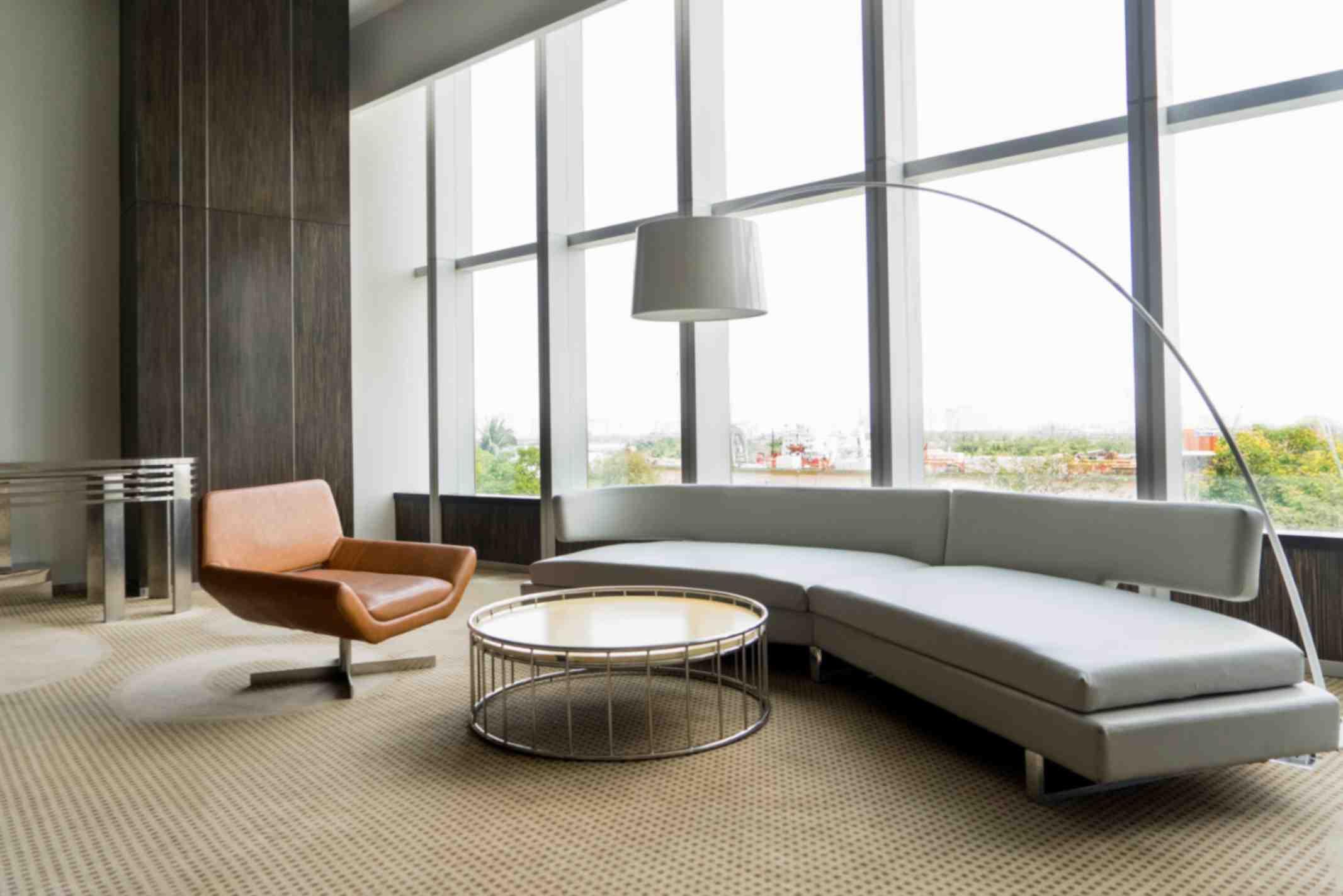
Installing residential window film is one of the simplest ways to improve comfort, privacy, energy efficiency, and protection without replacing your existing windows. Whether you want to reduce indoor heat, protect your furniture from fading, or improve security, window film offers a practical and cost-effective solution for modern homes.
Many homeowners assume that window film is only designed for commercial buildings or offices, but today's residential options are specifically developed for houses of every size and style. They work with existing glass, making installation easier and more affordable than replacing windows entirely.
Before choosing the right film, it is important to understand the available options, their benefits, installation process, maintenance requirements, and long-term value. Making an informed decision ensures that your investment delivers the comfort and protection you expect for years to come.
Window film is a thin, durable layer made from advanced polyester materials that is professionally applied to the interior surface of glass windows. Although it appears almost invisible after installation, it performs several important functions.
Different types of window films are engineered to solve different problems. Some are designed to block solar heat, while others improve privacy, increase safety, reduce glare, or enhance the appearance of windows.
Unlike replacing windows, applying film allows homeowners to improve existing glass without major renovations.
Many homes receive direct sunlight throughout the day. While natural light makes living spaces brighter and more welcoming, excessive sunlight can create several challenges.
Common household issues include:
High indoor temperatures
Increased cooling costs
Glare on televisions and computer screens
UV damage to furniture and flooring
Reduced privacy
Glass safety concerns
Installing window film helps address these problems while maintaining the beauty of natural daylight.
Not all window films serve the same purpose. Understanding the available choices helps homeowners select the right product for their needs.
Solar control film reduces the amount of heat entering through windows. It reflects or absorbs solar energy while allowing visible light to pass through.
Benefits include:
Cooler indoor spaces
Lower air conditioning usage
Improved comfort
Reduced glare
Decorative films provide privacy while enhancing interior design. They are commonly used for:
Bathroom windows
Entry doors
Glass partitions
Staircase windows
They come in frosted, etched, patterned, and textured finishes.
Privacy films prevent outsiders from looking into your home during daylight hours while still allowing natural light inside.
They are ideal for:
Street-facing windows
Bedrooms
Living rooms
Ground-floor homes
Safety films help hold broken glass together during accidental impacts.
These films reduce the chance of shattered glass spreading throughout a room.
For homeowners seeking additional protection, home window security film strengthens existing glass by making it more resistant to forced entry. Although it does not make glass unbreakable, it significantly increases the effort required to penetrate windows, providing valuable extra time during attempted break-ins.
Choosing the right film involves more than selecting the darkest option available.
Several important factors should be considered before installation.
Determine why you want window film.
Are you looking for:
Better temperature control?
Increased privacy?
Improved security?
Decorative appearance?
UV protection?
Your answer will guide the selection process.
South-facing and west-facing windows receive more direct sunlight than north-facing windows.
Rooms with heavy sun exposure often benefit most from solar control films.
Not every film is suitable for every type of glass.
Double-pane windows, tempered glass, laminated glass, and specialty glass may require different film specifications.
Professional installers usually inspect the glass before recommending a product.
Homes in warmer climates often prioritize heat reduction, while colder regions may focus more on insulation and energy efficiency.
Selecting film based on local weather conditions improves year-round performance.
Homeowners enjoy numerous advantages after installation.
One of the biggest advantages is reduced solar heat entering the home.
This helps maintain comfortable indoor temperatures while lowering cooling demands during warmer months.
Over time, lower energy usage may reduce electricity costs.
Some rooms become uncomfortable during certain hours because of direct sunlight.
Window film helps create more consistent temperatures throughout the home.
Family members can comfortably enjoy living spaces without excessive heat.
Ultraviolet rays gradually fade furniture, curtains, flooring, artwork, and wooden surfaces.
Window films block most harmful UV rays, helping preserve interior furnishings for longer periods.
Bright sunlight often causes reflections on televisions, laptops, tablets, and mobile devices.
Window film minimizes glare without making rooms excessively dark.
Many homeowners value natural light but also want greater privacy.
Certain films allow daylight inside while limiting outside visibility during daytime hours.
Modern window films are available in various shades and finishes.
They improve the exterior appearance of homes while maintaining a clean, elegant look.
Professional installation generally follows several important steps.
The installer examines each window for:
Existing damage
Glass type
Seal condition
Surface cleanliness
This ensures compatibility before installation begins.
Windows must be perfectly clean before applying film.
Dust, dirt, grease, or debris may create bubbles or imperfections beneath the film.
The film is carefully measured and cut to match each window.
A special application solution helps position the film correctly before excess moisture is removed using professional tools.
After installation, the film requires time to cure.
Depending on weather conditions, complete curing may take several days or even a few weeks.
During this period, slight haziness or small water pockets are completely normal.
Many homeowners hesitate because of outdated information.
Modern films are available in multiple transparency levels.
Many products reduce heat while maintaining bright, natural interiors.
Only certain reflective films have a mirrored appearance.
Most residential products are nearly invisible after installation.
When professionally selected and installed on compatible glass, quality films perform safely without damaging windows.
Premium products installed correctly can remain effective for many years with proper care.
Window film requires very little maintenance.
Simple care helps extend its lifespan.
Recommendations include:
Wait until the curing period ends before cleaning.
Use soft microfiber cloths.
Avoid abrasive cleaning pads.
Use ammonia-free cleaning solutions.
Clean gently without excessive pressure.
Proper maintenance keeps windows looking clear and attractive.
Although installation requires an upfront investment, many homeowners find long-term value through:
Better indoor comfort
Lower cooling costs
Reduced fading of furniture
Increased privacy
Improved appearance
Added safety
Since existing windows remain in place, installation costs are generally much lower than full window replacement.
For many households, window film provides one of the most practical home improvement upgrades available.
While DIY kits are available, professional installation offers several advantages.
Experienced installers:
Recommend suitable film types
Ensure proper compatibility
Prevent bubbles and wrinkles
Deliver precise edge finishing
Provide longer-lasting results
Professional installation also reduces the risk of costly mistakes.
Installing residential window film is an effective way to improve comfort, reduce energy consumption, enhance privacy, and protect your home's interior without replacing existing windows. Understanding the different types of films, evaluating your home's specific needs, and choosing professional installation can help you achieve the best possible results. Whether your goal is reducing heat, improving appearance, or increasing security, window film offers a practical solution that continues delivering benefits for many years. By making an informed choice today, homeowners can enjoy a more comfortable, efficient, and protected living environment throughout every season.