English
 Arabic
 French
 Spanish
 Portuguese
 Deutsch
 Turkish
 Dutch
Dutch
 Italiano
 Russian
 Romaian
 Portuguese (Brazil)
 Greek
Greek
Millimeter Wave (MMW) Technology Market: Size, Share, and Regional Outlook
Other |
2026-07-28 11:54:03
 Advertise With Us
 About Us
 Terms And Conditions
 Privacy Policy
Hepsini Gör
Privacy Policy
Hepsini Gör

Upgrade to Pro
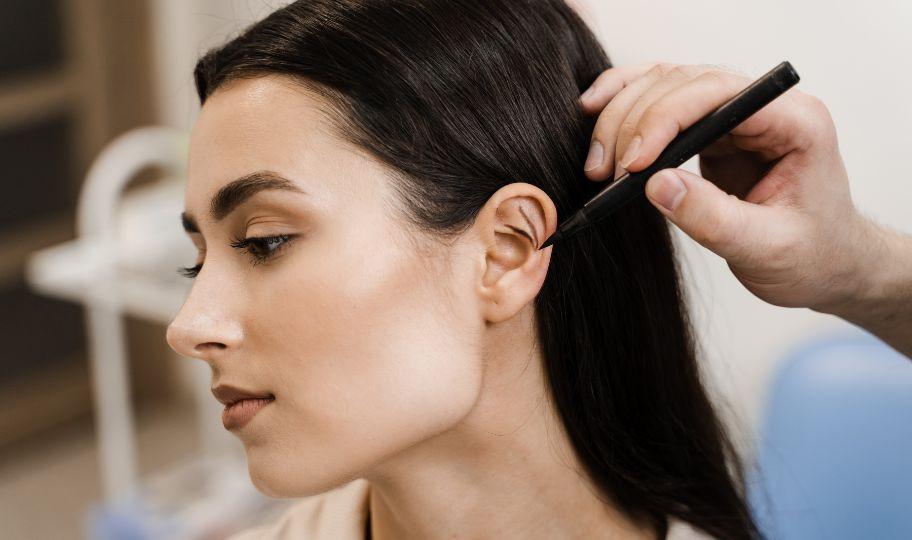
A common question for individuals planning Ear Reshaping in Riyadh is how much time they need to set aside from their professional or academic responsibilities. Because otoplasty is a precise surgical procedure, balancing the need for recovery with the desire to return to a normal routine is a key part of the planning process. While everyone’s healing timeline is unique, understanding the typical milestones can help you prepare for a smooth transition back to your daily activities.
For the first week following your procedure, your primary focus should be on rest and recovery. This is the period when your ears will be protected by a dressing, and you may experience mild swelling, bruising, or discomfort.
The First 5–7 Days: It is strongly recommended to plan for at least one full week of time off from work or school. During this time, your priority is to follow your surgeon’s instructions, keep your head elevated, and ensure you are resting comfortably.
Managing Social/Professional Interaction: While you may feel physically capable of working from home or engaging in light tasks toward the end of the first week, your ears will still be covered by a bandage or a prominent protective headband, which may make you feel self-conscious in professional or social settings.
Once the initial dressings are removed—usually within the first week—you can generally return to work or school, provided you follow a few precautions:
The Headband Requirement: Even when you return to your routine, you will likely need to wear your protective headband at night. Your surgeon will advise if it needs to be worn during the day as well; if it does, many patients find they can wear it comfortably under a hat or by choosing a style that blends well with their hair.
Avoiding Physical Strain: If your job or school routine involves heavy lifting, strenuous activity, or physical education classes, you will need to continue avoiding these for several weeks beyond your initial return to work.
Environmental Considerations: Be mindful of environments where your ears might be accidentally bumped or exposed to extreme temperatures.
When planning your return, consider the following:
Professional Flexibility: If possible, arrange for a few additional days of flexible work or light duties. This gives you a buffer in case your swelling or fatigue lasts slightly longer than expected.
Safety First: If your role requires wearing a helmet, headset, or heavy headgear, talk to your surgeon during your pre-operative consultation. You may need to plan for a longer period of time away from these specific activities to ensure the cartilage remains undisturbed.
Rushing back to a full, high-intensity schedule before your body is ready can increase the risk of complications such as swelling or discomfort. By planning for a realistic recovery period, you demonstrate a commitment to the long-term success of your procedure.
The surgeons in Riyadh advocate for a patient-centered approach, where the return to daily life is dictated by the comfort and healing progress of the individual. Most patients find that after the first week of rest, they are able to resume most of their normal activities with ease, knowing that they have given their ears the necessary time to start healing in the correct, aesthetically refined position.
This is the twenty-fifth of 37 articles regarding Ear Reshaping in Riyadh. Would you like me to proceed with the twenty-sixth article in this series?