English
 Arabic
 French
 Spanish
 Portuguese
 Deutsch
 Turkish
 Dutch
Dutch
 Italiano
 Russian
 Romaian
 Portuguese (Brazil)
 Greek
Greek
Generative AI in Energy Market Forecast Supports Next Generation Smart Utilities
Networking |
2026-07-09 07:00:06
 Advertise With Us
 About Us
 Terms And Conditions
 Privacy Policy
Ver Todo
Privacy Policy
Ver Todo

Upgrade to Pro
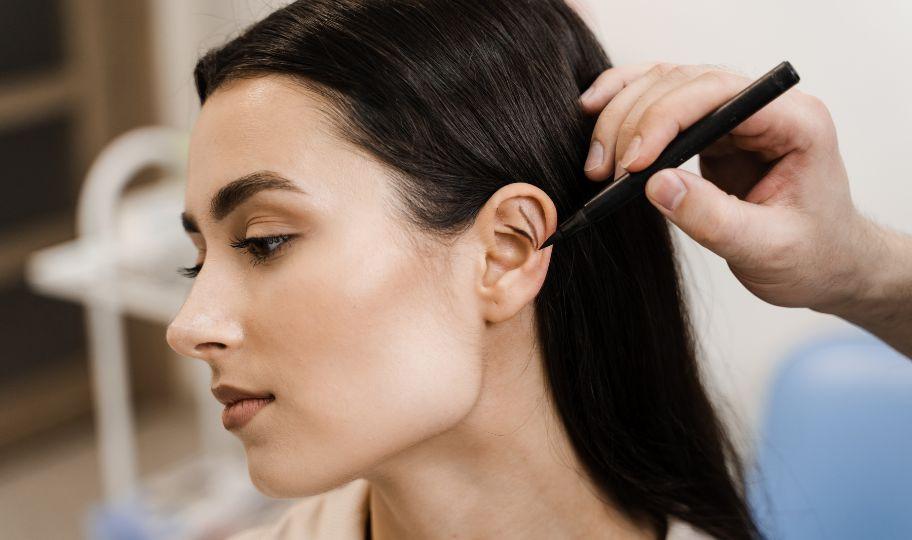
The versatility of otoplasty allows it to be an effective intervention for patients across a wide spectrum of ages, from young children to adults. For individuals seeking Ear Reshaping in Riyadh, understanding how the surgical approach differs based on cartilage maturity is a vital part of the planning process. While the core objective—achieving a balanced, aesthetically pleasing ear position—remains constant, the techniques used must be carefully adapted to the unique physical characteristics of the patient’s ear structure.
The human ear undergoes significant development during early childhood, reaching approximately 80% to 90% of its adult size by the age of five or six. This is a primary reason why otoplasty is frequently performed in childhood; by this age, the ears are developed enough to undergo corrective surgery, and addressing prominence early can have significant psychological benefits for a child entering school.
In pediatric cases, the cartilage is typically soft and highly pliable, making it very responsive to molding and reshaping techniques. Conversely, in adolescent and adult patients, the ear cartilage has become more rigid and less flexible. This difference necessitates more sophisticated surgical maneuvers in older patients, often requiring a combination of cartilage thinning, structural scoring, and precise, tension-relieving sutures to achieve the desired correction.
When performing Ear Reshaping in Riyadh for adults or teenagers, the surgical plan must account for the natural "memory" of the cartilage, which tends to resist change. Surgeons often employ more robust techniques to ensure the ear remains in its new, corrected position over the long term.
Internal Framework Reinforcement: To overcome the rigidity of mature cartilage, surgeons may use permanent internal sutures to provide additional structural support, ensuring the cartilage holds its new shape against its natural tendency to return to its original position.
Contouring and Shaping: In cases where the cartilage is thick or particularly stiff, the surgeon may carefully score or thin the posterior surface of the cartilage. This reduces the stiffness of the tissue, allowing it to be sculpted into a more refined antihelical fold or to be positioned closer to the head with greater ease.
These refined techniques ensure that regardless of the patient's age or the initial stiffness of the ear structure, the final result is smooth, stable, and aesthetically harmonious.
The medical landscape in Riyadh is defined by a commitment to high standards of patient safety and clinical excellence. For any surgical procedure, including otoplasty, the process begins with a comprehensive assessment of the patient’s health and specific anatomical needs.
Facilities in the city are equipped with the latest surgical technology and are staffed by teams dedicated to maintaining a sterile and controlled environment. Preoperative consultations serve as an opportunity to discuss the specific techniques that will be used, ensuring the patient—or the parents of a young patient—understands the procedure and has realistic expectations about the outcome. By maintaining these rigorous standards, the surgical team can focus on achieving precise, predictable, and safe results for every patient.
Regardless of age, recovery follows a consistent protocol to ensure optimal healing. Immediately following the surgery, the ears are protected by a secure dressing. This initial period is critical for minimizing swelling and protecting the surgical site from accidental trauma.
As the recovery progresses, the transition from heavy dressings to a lighter protective headband is managed carefully. For children, this period is often managed with extra support from family to ensure the child does not engage in activities that could displace the ears during the critical early healing phase. For adults, returning to work or daily activities is usually possible within a week or two, provided that contact sports and activities involving significant physical impact are avoided for the duration recommended by the surgeon.
The long-term success of otoplasty is rooted in the stability of the cartilage modification. Once the tissues have fully healed and set into their new position, the change is considered permanent. The goal of this procedure, particularly when tailored to the specific anatomical needs of the patient, is to provide a result that is both aesthetically refined and functionally sound.
For residents of Riyadh, the availability of expert surgical care ensures that patients have access to personalized solutions that address their specific concerns. By matching the surgical technique to the developmental stage of the ear, surgeons can provide consistent and high-quality results, helping patients achieve a profile that feels more balanced and in harmony with their natural facial features.
This is the third of 37 articles regarding Ear Reshaping in Riyadh. Would you like me to proceed with the fourth article in this series?