English
 Arabic
 French
 Spanish
 Portuguese
 Deutsch
 Turkish
 Dutch
Dutch
 Italiano
 Russian
 Romaian
 Portuguese (Brazil)
 Greek
Greek
How Nutrition Supports Healing After Laser Acne Scar Treatments
Health |
2026-07-23 12:34:52
 Advertise With Us
 About Us
 Terms And Conditions
 Datenschutzbestimmungen
Alle anzeigen
Datenschutzbestimmungen
Alle anzeigen

Upgrade auf Pro
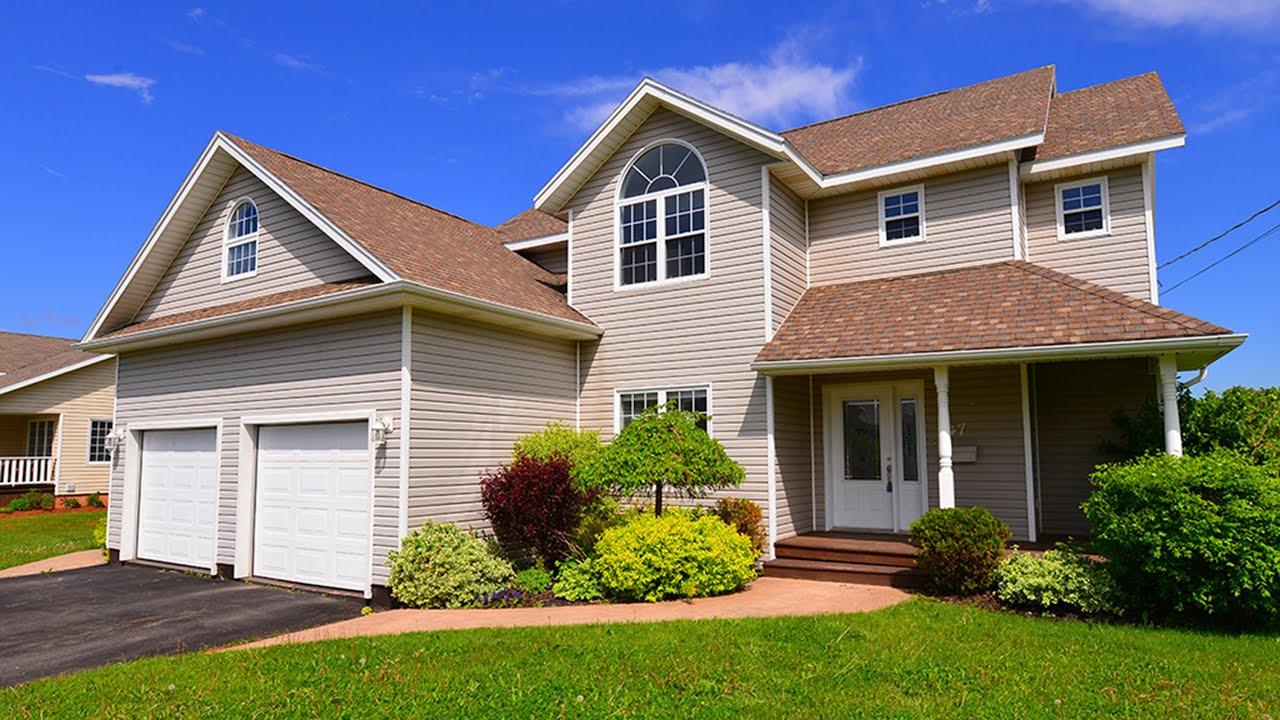
A home is one of the largest investments most people make during their lifetime. Whether a property is newly built or has been standing for decades, understanding its condition is essential. Inspections provide valuable information about the structure, systems, and overall health of a home. They help homeowners identify concerns that may not be visible during a casual walk-through and allow them to address issues before they become major expenses.
A professional inspection is a detailed evaluation of a home's accessible components. Inspectors examine areas such as the roof, foundation, walls, windows, doors, electrical systems, plumbing, and heating or cooling equipment. The goal is to identify visible defects, maintenance concerns, and potential safety issues. After the evaluation, homeowners typically receive a report that outlines findings and recommendations for future action.
Understanding the condition of a property gives homeowners greater confidence when making decisions. Whether planning renovations, preparing to sell, or simply maintaining a residence, inspection findings provide a clear picture of what requires attention. This information can help prioritize repairs, create maintenance schedules, and reduce the likelihood of unexpected problems. Having a thorough understanding of a home's condition also helps protect its long-term value.
Many home-related issues start small and gradually become larger concerns. A minor roof problem may eventually lead to water damage, while a small plumbing leak can affect flooring, walls, and surrounding materials. Electrical concerns can create safety hazards if left unresolved. Identifying these issues early allows homeowners to make repairs before extensive damage occurs. In many cases, preventive maintenance costs far less than major restoration projects.
Inspectors typically focus on the most important systems within a property. The roof is reviewed for signs of wear, missing materials, or possible leaks. The foundation is checked for visible cracks or movement. Electrical components are evaluated for safety and functionality. Plumbing systems are inspected for leaks, drainage concerns, and signs of deterioration. Heating and cooling equipment is also examined to determine its overall condition and performance.
For individuals purchasing a home, an inspection serves as an important source of information. A property may appear attractive on the surface while hiding issues that could require expensive repairs later. Inspection reports help buyers understand the true condition of the home before finalizing a purchase. This knowledge allows them to make informed decisions, negotiate repairs when appropriate, and plan future maintenance with greater accuracy.
A trained inspector brings knowledge and experience that most homeowners do not possess. They understand how different systems function and know where common problems often develop. Homeowners searching for a Residential Property Inspections Company Hendersonville TN often rely on experienced professionals to provide objective evaluations and detailed reports. Their expertise helps identify concerns that might otherwise go unnoticed, creating a more complete understanding of the property's condition.
Routine maintenance is much more effective when homeowners know which areas require attention. Inspection findings can serve as a roadmap for future upkeep. Instead of guessing where problems might occur, homeowners can focus on the specific areas identified during the evaluation. This approach helps improve efficiency, reduces unnecessary expenses, and supports the long-term performance of the home's major systems.
Many people associate inspections only with buying or selling a home, but periodic evaluations can benefit long-term homeowners as well. Weather, age, and everyday use gradually affect a property's components. Regular inspections help track these changes and identify new concerns before they worsen. They also provide updated information about the home's condition, allowing owners to make informed decisions regarding maintenance and improvements.
Inspection reports are valuable tools because they organize findings into a clear and understandable format. These reports often include descriptions of observed conditions, photographs, and recommendations for repairs or further evaluation. Reviewing the report carefully helps homeowners understand the significance of each finding and determine which items require immediate attention versus routine monitoring.
Selecting a qualified professional is an important part of the inspection process. Experience, communication skills, and attention to detail all contribute to a successful evaluation. Providers that specialize in Residential Property Inspections typically follow established standards and deliver comprehensive reports that homeowners can use for planning and decision-making. Taking time to choose a reputable inspector can improve the quality and usefulness of the information received.
Property inspections play an important role in protecting homes and helping owners make informed decisions. By evaluating major systems and identifying visible concerns, inspections provide a better understanding of a property's overall condition. They support preventive maintenance, reduce the risk of unexpected repairs, and help preserve long-term value. Whether purchasing a new home or maintaining an existing one, a professional inspection offers valuable insight that contributes to safer, more confident homeownership.