English
 Arabic
 French
 Spanish
 Portuguese
 Deutsch
 Turkish
 Dutch
Dutch
 Italiano
 Russian
 Romaian
 Portuguese (Brazil)
 Greek
Greek
Agricultural Insect Pheromones Market Research Report: Industry Size, Share, and Forecast Analysis
Other |
2026-04-13 10:41:05
 Advertise With Us
 About Us
 Terms And Conditions
 Privacy Policy
Mostra tutti i risultati
Privacy Policy
Mostra tutti i risultati

Passa a Pro
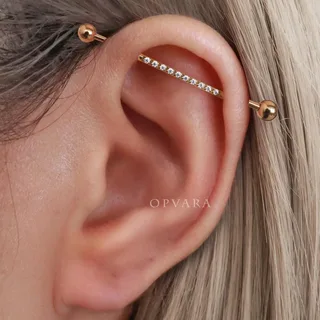
When you decide to pursue Ear Piercing in Riyadh, it is crucial to recognize that not all piercings are created equal. The way your body heals a soft tissue lobe piercing is fundamentally different from how it heals a rigid cartilage piercing. Understanding these physiological differences is essential for managing your expectations, setting an appropriate aftercare routine, and ensuring the long-term health of your curated ear.
The primary difference lies in the anatomical structure of the ear.
The Lobe: The earlobe is composed primarily of soft, fatty tissue. It is highly vascular, meaning it has a robust blood supply. This rich circulation is the secret to why lobe piercings heal relatively quickly. Blood delivers the oxygen, white blood cells, and nutrients necessary to repair damaged tissue and fight off potential pathogens.
The Cartilage: Cartilage (the harder, structured part of the ear, including the helix, conch, tragus, etc.) is avascular. It does not have a direct, dense network of blood vessels flowing through it. Because of this, it receives significantly fewer nutrients and oxygen compared to the lobe. Consequently, the healing process in cartilage is much slower and more delicate.
Because of the difference in blood supply, the timeframes for healing are vastly different:
Lobe Piercings: These typically reach a state of relative stability within 6 to 8 weeks. While "fully" healed tissue can take longer to reach maximum maturity, most people can safely change their jewelry or stop intensive aftercare after this initial period.
Cartilage Piercings: These are a long-term commitment. A cartilage piercing can take anywhere from 6 months to a full year to completely heal. The tissue needs much more time to "knit" itself around the jewelry, and it is far more susceptible to irritation and regression throughout that extended period.
Cartilage is not only slower to heal, but it is also much more "dramatic" when irritated.
Lobe resilience: A minor bump to a healing lobe piercing might cause a little tenderness for a few hours.
Cartilage sensitivity: A minor bump or accidental snag to a healing cartilage piercing can trigger days of swelling, throbbing, or the development of an "irritation bump." Cartilage responds to trauma by swelling up rapidly, which, if not managed, can put pressure on the jewelry and lead to further complications.
Given these differences, your approach to aftercare should be adjusted based on the location of your piercing:
For Lobes: Consistency is key. Even though they heal faster, it is still vital to follow the standard cleaning protocol with sterile saline twice daily. Do not be tempted to change to cheaper jewelry before the 6–8 week mark, even if the piercing feels great.
For Cartilage: Patience is your primary tool. Because the healing period is so long, you must be prepared for a marathon, not a sprint.
Avoid Pressure: The rule about not sleeping on your piercing is even more critical for cartilage, as the rigid tissue has no "cushioning" to absorb the pressure of your head.
Downsizing is Mandatory: Because cartilage swells and then settles over a long period, professional downsizing is essential. As the initial swelling subsides, you must have the jewelry shortened to prevent the movement that causes long-term irritation bumps.
Monitor for Longer: While a lobe might be "forgotten" after two months, keep a close eye on your cartilage for at least six months.
Many individuals become frustrated with cartilage piercings because they assume they should heal at the same rate as a lobe. By understanding that cartilage is a slower, more reactive tissue, you can avoid the mistake of thinking your piercing is "infected" just because it is still tender at the 4-month mark.
When you get a cartilage piercing in Riyadh, you are investing in a slow-burn transformation. Treat it with the extra care it requires, stay consistent with your cleaning, and respect the biological reality of your own body. By doing so, you ensure that even the most complex cartilage arrangements can heal successfully and remain a permanent part of your aesthetic repertoire.