English
 Arabic
 French
 Spanish
 Portuguese
 Deutsch
 Turkish
 Dutch
Dutch
 Italiano
 Russian
 Romaian
 Portuguese (Brazil)
 Greek
Greek
Trending on BookTok No Bad Parts: Healing Trauma & Restoring Wholeness with the Internal Family Systems Model by Richard C. Schwartz
Shopping |
2026-06-30 08:11:26
 Advertise With Us
 About Us
 Terms And Conditions
 Privacy Policy
Mostra tutti i risultati
Privacy Policy
Mostra tutti i risultati

Passa a Pro
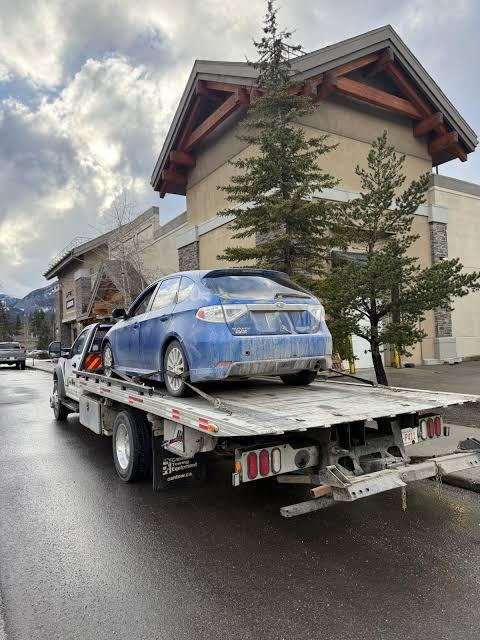
A Calgary hailstorm can turn a clean vehicle into a dented mess within minutes. The engine may still run perfectly, but the roof, hood, doors, and trunk can look badly damaged. You may now face a difficult choice. Should you file an insurance claim, pay for repairs, or sell the car for cash?
The right answer depends on your insurance coverage, deductible, repair cost, vehicle value, and future plans. Before making a rushed decision, compare all three options carefully.
Start by inspecting your vehicle in a safe, well lit area. Take clear photos and videos from every angle. Include close shots of dents, cracked glass, broken lights, damaged mirrors, and chipped paint.
Do not start repairs before speaking with your insurer. Repairing the vehicle too early may make it harder for the insurance adjuster to confirm the original damage.
Write down the storm date, approximate time, and vehicle location. Save weather alerts, parking receipts, security footage, or witness details when available. These records can support your hail damage claim.
Check whether the vehicle is safe to drive. A dented hood may be cosmetic, but broken glass, damaged lights, loose body panels, or water inside the cabin may create safety problems.
Hail damage is generally covered when the vehicle has comprehensive or all perils insurance. Basic liability coverage normally does not pay for weather related damage to your own car.
The Insurance Bureau of Canada advises drivers to check whether their policies include optional comprehensive coverage. This coverage may protect against hail, wind, fire, theft, vandalism, and other non collision losses.
Contact your insurance company as soon as possible. Ask these questions:
Never assume your policy covers hail. Read the wording or ask your insurance representative for written confirmation.
An insurance claim may be the best option when the damage is expensive and your deductible is reasonable.
Suppose your vehicle needs $8,000 in body repairs and your deductible is $500. Filing a claim could save you thousands of dollars. This option becomes even more valuable when hail has damaged multiple panels, cracked the windshield, or exposed metal to moisture.
A claim may also make sense when:
Calgary regularly experiences costly hail events. The August 5, 2024 storm caused almost $2.8 billion in insured damage, while about 70,000 claims from that event involved vehicles.
Large storms can also create long waiting lists at repair shops. Report the loss early, even when you have not decided whether to repair or sell.
Repairing makes sense when the vehicle is mechanically reliable and the repair cost is much lower than its value.
Paintless dent repair is often used when dents have not cracked the paint. A technician carefully reshapes the metal without repainting the entire panel. It can cost less than traditional bodywork and may preserve the original finish.
Traditional repair may be required when hail has:
Get at least two written estimates. Ask each shop which dents can be repaired and which panels need replacement. Confirm whether the quote includes paint, glass, trim, labour, taxes, and hidden damage.
Avoid spending $10,000 repairing a car worth only $12,000 unless insurance covers most of the bill. Even after professional work, a recorded hail claim may still affect buyer interest.
Selling for cash can be the practical choice when repair costs are too high, the deductible is unaffordable, or the vehicle already has other problems.
A cash for cars company may buy the vehicle in its current condition. You do not need to wait weeks for bodywork, advertise online, answer dozens of messages, or negotiate with private buyers.
This option often works well when:
Cash car buyers often consider the vehicle’s make, model, year, mileage, mechanical condition, reusable parts, metal value, and current resale demand. Cosmetic damage lowers the offer, but a running engine, working transmission, good tires, and clean interior may still add value.
Yes, but the claim should be handled correctly.
Do not sell the vehicle before your insurer completes its inspection unless the insurer gives permission. Selling too soon could interrupt the claim or create ownership questions.
If you accept an insurance payment, ask whether you must complete the repairs. The answer may depend on whether you own, finance, or lease the vehicle. A lender may require repairs because it has a financial interest in the car.
If the insurer declares the vehicle a total loss, it may take ownership after paying the settlement. In some situations, you may be allowed to keep it for a reduced payment. Ask how the vehicle will be branded and whether inspections will be required before it can return to the road.
Alberta has a formal inspection process for vehicles carrying salvage status. A salvage vehicle must follow the required repair and inspection steps before receiving rebuilt status.
Use a simple calculation instead of relying on emotion.
First, estimate the vehicle’s pre storm market value. Then collect repair quotes, confirm your deductible, and request cash purchase offers.
For example:
Pre storm value: $16,000
Estimated repairs: $9,000
Insurance deductible: $1,000
Cash offer in damaged condition: $7,500
A claim and repair may be worthwhile if insurance approves the full repair cost. However, selling could make more sense if the car has high mileage, needs a transmission repair, and would soon require replacement.
Do not compare the cash offer only with the vehicle’s old retail value. Compare it with what you would actually keep after repairs, deductibles, loan balances, delays, and future maintenance.
Clean out the vehicle and gather its documents. Provide honest information about its condition.
Share the following details with buyers:
Request quotes from several Calgary cash car buyers. Ask whether towing is free, whether the offer can change at pickup, and which documents are required.
Be cautious when a buyer refuses to explain the price or demands advance fees. A dependable buyer should provide clear terms and complete the ownership transfer properly.
Claim the damage when you have comprehensive coverage, a manageable deductible, and a vehicle worth protecting. Repair it when the damage is affordable and the car remains dependable. Sell it for cash when repairs do not make financial sense or you want a faster exit.
A Calgary hailstorm may damage your vehicle’s appearance, but it does not remove every option. Document the damage, review your policy, collect repair estimates, and compare real cash offers. A few careful calculations can stop you from investing thousands into the wrong car or accepting far less than it is worth.