English
 Arabic
 French
 Spanish
 Portuguese
 Deutsch
 Turkish
 Dutch
Dutch
 Italiano
 Russian
 Romaian
 Portuguese (Brazil)
 Greek
Greek
Metal Matrix Composite Industry to Witness Strong Growth Toward US$ 1,570.00 Million by 2033
Other |
2026-06-19 06:14:32
 Advertise With Us
 About Us
 Terms And Conditions
 سياسة الخصوصية
عرض كل النتائج
سياسة الخصوصية
عرض كل النتائج

ترقية الحساب
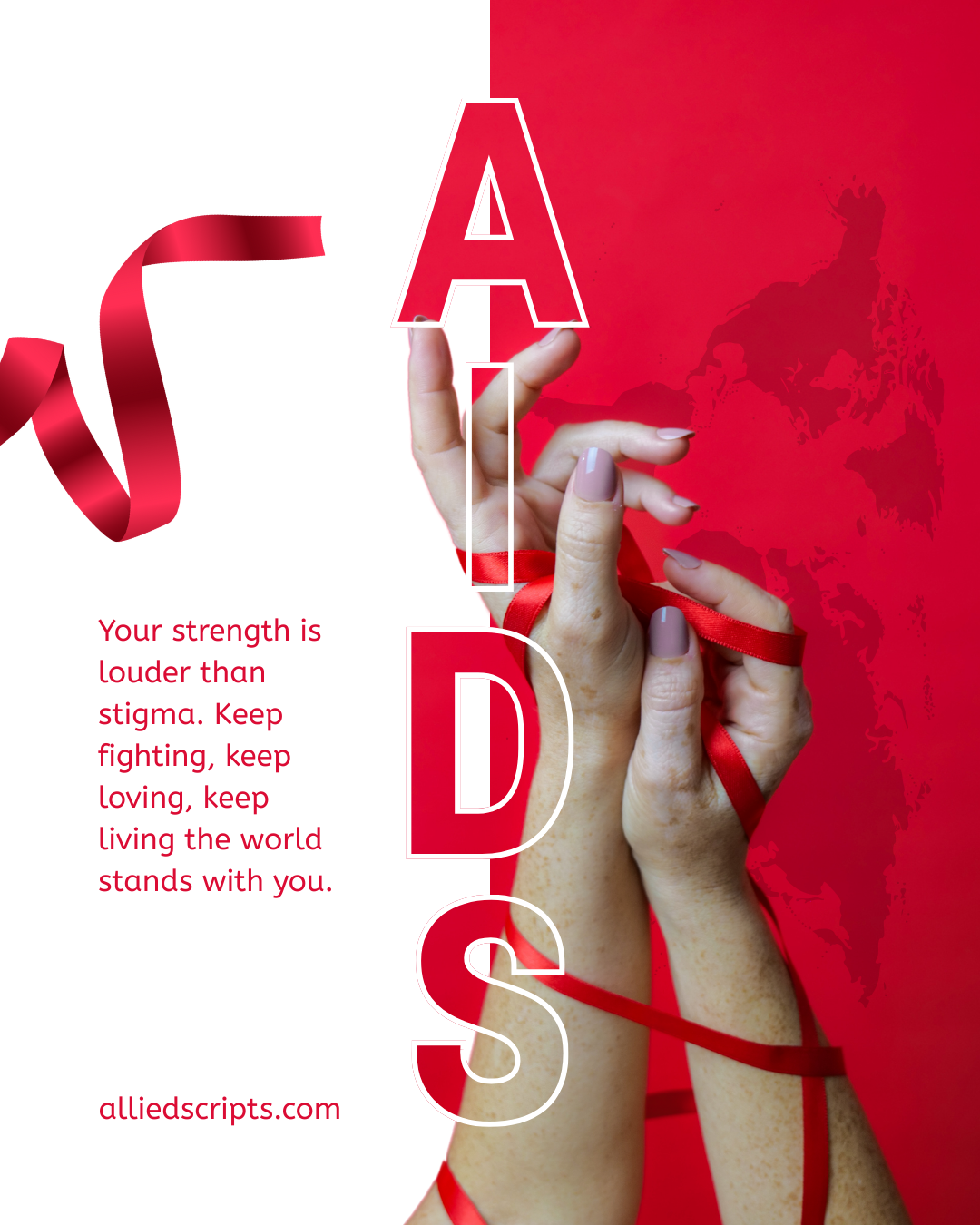
The introduction of Antiretroviral Therapy (ART) has transformed HIV from a life-threatening disease into a manageable chronic condition. Decades ago, an HIV diagnosis often led to severe illness and a shortened life expectancy. Today, thanks to continuous advancements in medicine, people living with HIV can enjoy long, healthy, and productive lives by following a proper treatment plan. ART not only improves the health of individuals living with HIV but also plays a major role in preventing the spread of the virus. Understanding how this treatment works highlights the importance of early diagnosis, timely medical care, and consistent medication.
Antiretroviral Therapy, commonly known as ART, is the standard treatment for HIV infection. It involves taking a combination of medications that work together to prevent the virus from multiplying inside the body. Unlike antibiotics that cure bacterial infections, ART does not eliminate HIV completely because the virus remains hidden in certain cells. However, it effectively suppresses the virus, allowing the immune system to recover and function normally.
Healthcare providers carefully select medication combinations based on the patient's medical history, age, and overall health. Today's ART medications are safer, more effective, and easier to take than earlier treatment options.
HIV attacks the body's immune system by entering CD4 cells and using them to produce more copies of itself. As the virus continues multiplying, it destroys these important immune cells, making the body more vulnerable to infections.
ART blocks different stages of the virus's life cycle. Some medications prevent HIV from entering healthy cells, while others stop it from making copies of itself. By slowing or stopping viral replication, ART reduces the amount of HIV in the bloodstream, known as the viral load.
When the viral load becomes extremely low or undetectable, the immune system begins to recover, helping the body fight infections more effectively.
Medical experts recommend beginning ART as soon as possible after an HIV diagnosis. Early treatment provides numerous health benefits and significantly improves long-term outcomes.
Starting ART early helps preserve immune function before serious damage occurs. It reduces the risk of developing opportunistic infections, lowers the chance of HIV progressing to AIDS, and decreases the likelihood of hospitalization.
Early treatment also reduces inflammation throughout the body, lowering the risk of heart disease, kidney disease, and certain cancers associated with untreated HIV.
One of the primary goals of ART is to reduce the viral load to an undetectable level. This means the amount of HIV in the blood is so low that standard laboratory tests cannot detect it.
An undetectable viral load does not mean HIV has been cured. Instead, it indicates that treatment is successfully controlling the virus. People who consistently maintain an undetectable viral load enjoy better overall health and are far less likely to experience HIV-related complications.
Research has also shown that individuals with a sustained undetectable viral load cannot sexually transmit HIV to their partners. This concept is commonly known as Undetectable = Untransmittable (U=U) and has become an important milestone in HIV prevention.
Consistency is the key to successful HIV treatment. ART medications must be taken exactly as prescribed by a healthcare provider. Missing doses allows the virus to multiply again and increases the risk of developing drug-resistant strains of HIV.
Medication reminders, pill organizers, smartphone apps, and support from family members can help patients stay on schedule. Even when individuals feel healthy, continuing treatment without interruption remains essential for long-term viral suppression.
Healthcare providers encourage patients to discuss any challenges they face with medication adherence so solutions can be found before treatment effectiveness is affected.
Like many medications, ART may cause side effects, especially during the first few weeks of treatment. Common side effects include nausea, headaches, fatigue, diarrhea, or mild dizziness. Fortunately, these symptoms often improve as the body adjusts to the medication.
Modern HIV medications generally produce fewer side effects than older treatment options. If side effects become severe or persistent, healthcare providers can adjust the treatment plan or prescribe alternative medications.
Patients should never stop taking ART without consulting their doctor, as doing so may allow the virus to become active again.
Although ART is highly effective, healthy lifestyle habits further improve treatment outcomes. A balanced diet rich in fruits, vegetables, whole grains, lean proteins, and healthy fats supports immune function and overall well-being.
Regular physical activity strengthens the heart, improves mental health, and helps maintain a healthy weight. Drinking enough water, getting sufficient sleep, avoiding tobacco products, and limiting alcohol consumption also contribute to better health.
Managing stress through relaxation techniques, counseling, or support groups can improve emotional well-being and help individuals stay committed to long-term treatment.
People receiving ART require regular medical follow-up appointments to ensure treatment continues working effectively. During these visits, healthcare providers monitor viral load, CD4 cell counts, kidney and liver function, and overall health.
Routine blood tests help determine whether the medication is successfully suppressing HIV. Doctors may also recommend vaccinations, cancer screenings, and preventive healthcare based on each patient's individual needs.
Open communication between patients and healthcare providers allows concerns to be addressed quickly and treatment plans to be adjusted when necessary.
Despite major medical advances, misconceptions about HIV treatment still exist. Some people believe HIV medications are ineffective or too difficult to tolerate. Others mistakenly think treatment is unnecessary if symptoms are absent.
In reality, ART has dramatically improved survival rates and quality of life for millions of people worldwide. Early treatment prevents immune system damage even before symptoms appear, making it one of the most important aspects of HIV care.
Education and public awareness continue to play an important role in correcting misinformation and encouraging people to seek testing and treatment.
Researchers continue to develop new therapies that make HIV treatment even more convenient. Long-acting injectable medications, which require fewer doses than daily pills, are already available for some patients. Scientists are also studying innovative approaches, including gene therapy and vaccines, that may improve HIV management in the future.
Although a complete cure has not yet been discovered, ongoing research offers hope for even better treatment options in the coming years.
Antiretroviral Therapy has revolutionized HIV care by allowing people living with the virus to lead long, healthy, and productive lives. Early diagnosis, prompt initiation of treatment, and consistent medication adherence are the foundations of successful HIV management. Combined with regular medical checkups and a healthy lifestyle, ART protects the immune system, prevents serious complications, and significantly reduces HIV transmission. Continued education, access to healthcare, and support from healthcare professionals remain essential in improving the lives of individuals affected by HIV.