English
 Arabic
 French
 Spanish
 Portuguese
 Deutsch
 Turkish
 Dutch
Dutch
 Italiano
 Russian
 Romaian
 Portuguese (Brazil)
 Greek
Greek
Trending Read Good People by Patmeena Sabit
Shopping |
2026-07-01 04:06:42
 Advertise With Us
 About Us
 Terms And Conditions
 Privacy Policy
Ver Todo
Privacy Policy
Ver Todo

Upgrade to Pro
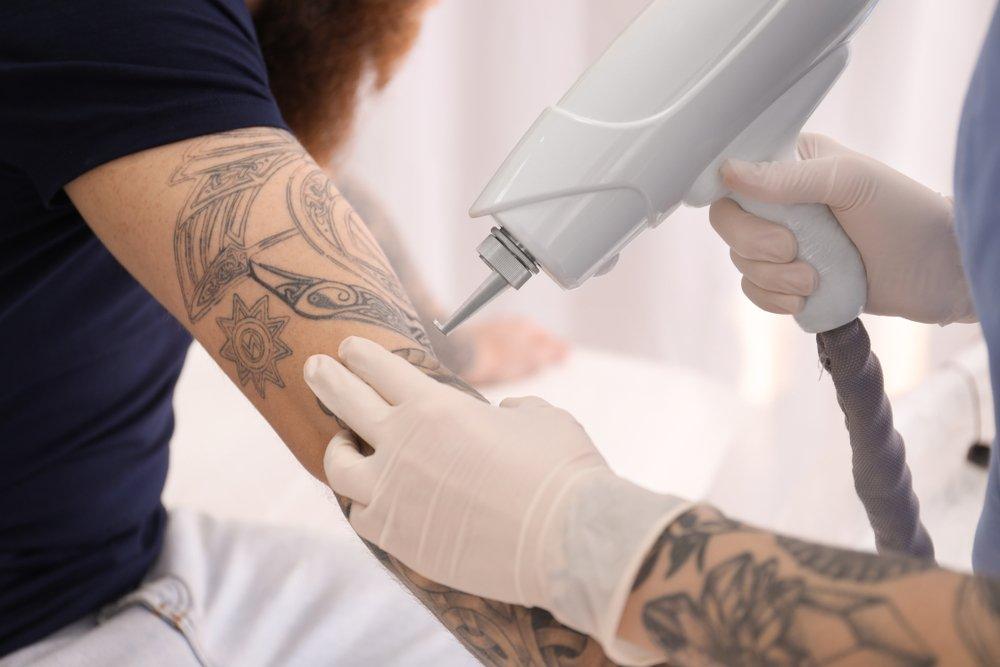
Laser tattoo removal is a collaborative effort between your clinic and your own immune system. While the laser does the heavy lifting by shattering ink particles into microscopic fragments, it is your body’s responsibility to filter those particles out, and it is your responsibility to maintain the health of the skin while that process occurs. Tattoo removal in Riyadh is a safe and effective option for reducing or eliminating unwanted tattoos, helping individuals achieve clearer skin with advanced treatment techniques.
In a climate like Riyadh, where extreme heat, low humidity, and high UV radiation are constant environmental factors, managing your skin between sessions is not just about comfort—it is a critical requirement for successful results. If you ignore the "in-between" period, you risk complications like hyperpigmentation, scarring, and delayed healing, all of which can increase the total number of sessions you need.
Here is the ultimate guide to managing your skin care during the weeks between your laser appointments.
Immediately following a session, your skin is a medical site. It is inflamed, sensitive, and actively working to repair itself. During the first two weeks, your primary goal is protection and maintenance of the skin barrier.
Gentle Cleansing: The skin must be kept clean, but harsh cleansers will strip away natural oils and cause irritation. Use a mild, soap-free, and fragrance-free cleanser. When drying the area, do not rub it with a towel; pat it gently with a clean, soft cloth or a disposable paper towel.
Hydration, Not Suffocation: Apply a thin layer of the healing ointment recommended by your practitioner. Whether it is an antibiotic ointment for the first few days or a soothing, petroleum-based balm later, the key is "thin." If you apply too much, you can clog the pores and create an environment that encourages bacterial growth.
Avoid Irritants: During these two weeks, your skin is hyper-sensitive. Stay away from exfoliating scrubs, chemical peels, retinols, or any products containing active acids (like salicylic or glycolic acid) on or near the treated site. These ingredients are designed to speed up cell turnover, which is the last thing your healing skin needs right now.
In Riyadh, the sun is the most significant obstacle to successful tattoo removal. Laser-treated skin is incredibly prone to pigmentary changes. Even a small amount of UV exposure can cause the skin to either darken (hyperpigmentation) or lose its natural color (hypopigmentation).
Physical Barriers: Sunscreen alone is often not enough if you are spending time outdoors during the peak hours of 10:00 AM to 4:00 PM. Whenever possible, keep the treated area physically covered with loose, breathable clothing.
The Right Sunscreen: When you must expose the area, use a broad-spectrum, high-SPF (50+) physical sunscreen. Look for "mineral" or "physical" sunscreens that contain zinc oxide or titanium dioxide. These sit on top of the skin and reflect UV rays, whereas chemical sunscreens absorb UV radiation and convert it into heat, which can irritate skin that is already recovering from laser energy.
Consistency: Sun protection is not just for the day of your appointment. It is a daily, lifelong requirement for the entire duration of your removal journey.
Between sessions, you are not just waiting; you are preparing your skin for the next round of treatment. The success of your next session depends on how well your immune system handled the previous one.
The Lymphatic Connection: Your lymphatic system is the "waste management" department of your body. It is responsible for carrying away the ink fragments shattered by the laser. To keep this system moving, you must stay hydrated. Dehydration slows down your immune response and makes the removal process less efficient.
Nutritional Support: Your skin is the body's largest organ, and it requires specific nutrients to repair and regenerate. Ensure your diet is rich in Vitamin C, which is essential for collagen production, and high-quality protein, which provides the amino acids necessary for tissue repair.
Lifestyle Considerations: Habits that impact your circulation will impact your tattoo removal. Smoking, for example, constricts blood vessels and reduces the delivery of oxygen-rich blood to the skin, which is vital for healing. Reducing smoking or alcohol consumption between sessions can noticeably improve the speed and quality of your skin’s recovery.
As your next appointment approaches, the state of your skin should be as close to "normal" as possible.
Monitor for Skin Fatigue: If you have been treating the same area for several months, you may experience "skin fatigue." This happens when the skin is repeatedly subjected to high-energy pulses before it has fully recovered. If your skin feels overly thin, sensitive, or shows signs of texture changes, speak to your practitioner. They may need to adjust the laser settings or suggest an even longer interval between sessions.
Avoid Self-Tanning: Do not use self-tanning lotions or sprays in the weeks leading up to your appointment. These products stain the skin, and the laser can react to the pigment in the tanning solution, potentially causing burns or uneven results. Your skin should be in its natural, untanned state when you arrive for your next session.
Skin Health Check: If you notice any unusual changes in your skin—such as persistent redness, a rash, or unexpected texture—do not wait until your next appointment to mention it. Contact your clinic. Early intervention can prevent minor issues from becoming major setbacks.
It is easy to become discouraged when the tattoo doesn't seem to be changing as fast as you want. Remember that between sessions, the skin is working harder than you can see. The ink fragments are being processed, immune cells are migrating, and the dermal layer is slowly remodeling itself.
Documenting Progress: Keep a log or take photos of the area every two weeks. Because the changes occur so gradually, it is often hard to notice the improvement in the mirror. Seeing a side-by-side comparison of your skin from the first session to the present can be a great source of motivation during the "in-between" weeks.
Stay Informed: Your clinic is your best resource. If you are unsure if a specific skin care product is safe to use, call them. Most clinics are more than happy to guide you on which moisturizers or sunscreens are best suited for their specific treatment protocols.
Managing your skin care between sessions in Riyadh is about balancing discipline with gentleness. You must be strict about sun protection and avoiding irritants, but you must be gentle with the skin itself. By providing a clean, hydrated, and protected environment, you are essentially telling your body that it is safe to proceed with the work of removing the ink.
The tattoo didn't appear overnight, and it won't disappear overnight either. But by respecting the healing process and tending to your skin with consistency, you ensure that the end result is a smooth, clean, and healthy canvas. Stay diligent, stay hydrated, and trust the process.
Disclaimer: This information is provided for educational purposes and is not a substitute for professional medical advice. Always consult with a licensed dermatologist or medical professional in Riyadh to receive personalized advice and a tailored skin care regimen that suits your specific treatment plan.