English
 Arabic
 French
 Spanish
 Portuguese
 Deutsch
 Turkish
 Dutch
Dutch
 Italiano
 Russian
 Romaian
 Portuguese (Brazil)
 Greek
Greek
彩信營銷指南:提升品牌視覺溝通與轉化率 | MMS SMS
Other |
2026-04-30 09:05:41
 Advertise With Us
 About Us
 Terms And Conditions
 Privacy Policy
Ver Todo
Privacy Policy
Ver Todo

Upgrade to Pro
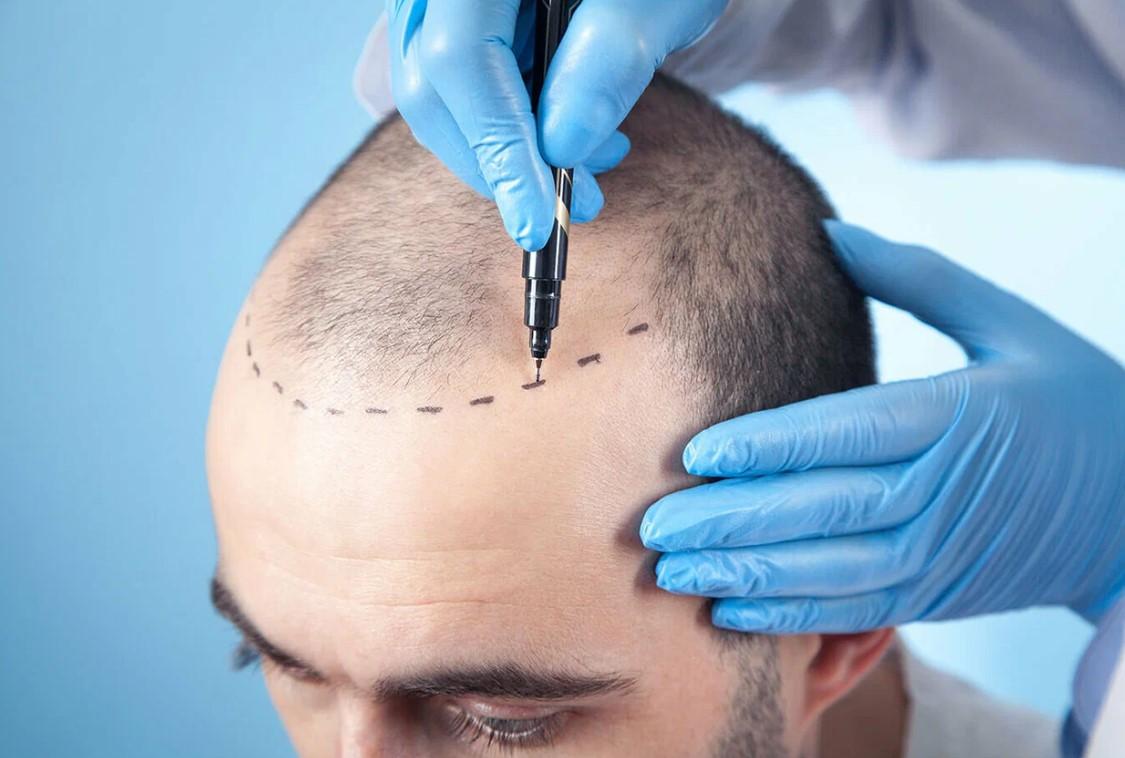
For many men in Dammam, the decision to seek a hair transplant is one made after careful consideration. It is a significant step, and it is entirely normal to have questions regarding the procedure, the recovery, and the long-term outcomes. As you evaluate your options, having clear, accurate information is the best way to move forward with confidence.
Hair transplant in Dammam is a popular hair restoration solution for individuals seeking natural-looking results, improved hair density, and renewed confidence through advanced transplant techniques.
Below are the most frequently asked questions regarding hair transplantation in Dammam, addressed to help you make an informed choice.
Both Follicular Unit Extraction (FUE) and Direct Hair Implantation (DHI) are advanced, minimally invasive techniques.
FUE: The surgeon extracts hair follicles from the donor area using a micro-punch tool and creates small recipient incisions before manually placing the grafts into these openings. It is a highly versatile and widely proven method.
DHI: This is a specialized form of FUE. Instead of creating incisions first, the surgeon uses a proprietary, pen-like device to extract and immediately implant the follicle in one motion.
Which is better? Neither is inherently "better"; the choice depends on your specific scalp needs, hair texture, and the surgeon’s recommendation. Both offer excellent, natural-looking results when performed by a skilled team.
This is perhaps the most common concern. The procedure is performed under local anesthesia, which numbs your entire scalp. Once the anesthesia is administered, you should feel no pain. You will be awake and can listen to music, read, or watch a movie. While you may feel some slight pressure or movement, the experience is generally described by patients as very tolerable. After the procedure, as the anesthesia wears off, you may experience minor tenderness, which is typically managed easily with prescribed pain relief.
The "pluggy" or unnatural look associated with older hair transplant methods (from decades ago) is largely a thing of the past. Modern surgical techniques focus on "follicular units"—the natural way hair grows in groups of one to four. By meticulously placing single-hair grafts at the front of the hairline and multi-hair grafts behind them, modern surgeons create a soft, undetectable transition. When designed correctly by an experienced specialist, a contemporary hair transplant is virtually indistinguishable from your natural hair.
Because a hair transplant is an intricate, hand-crafted process, it requires time. A typical session can last anywhere from 4 to 8 hours, depending on the number of grafts required and the complexity of your hair loss pattern. During this time, the surgical team takes breaks, and you are provided with refreshments to ensure your comfort.
While you may feel physically capable of returning to work the next day, most surgeons recommend taking at least 5 to 7 days off. This allows the initial swelling to subside and gives you the privacy to manage the healing process, including the careful washing instructions, without the stress of professional duties. By the end of the first week, most patients are comfortable returning to most daily activities.
Hair growth is a gradual process.
Month 1: You are in the healing phase; the initial transplanted hair shafts will shed.
Month 3–4: You will see the first signs of new, fine hair growth.
Month 6: You will notice a significant improvement in density.
Month 12–18: Your hair will reach full maturity, thickness, and length. Patience is the most important part of the journey. The result is a permanent transformation, but it takes about a year to see the full vision realized.
Yes. The hair follicles used for the transplant are harvested from the "donor zone"—the back and sides of the scalp. These follicles are genetically programmed to be resistant to the hormones that cause male pattern baldness. Once they are relocated to the thinning area, they retain this resistance. Therefore, the hair you gain is designed to grow for the rest of your life.
It depends. For men with moderate hair loss, a single, comprehensive procedure is often enough to achieve the desired density. However, for those with extensive hair loss or those who desire extreme density, a second session may be performed 12 to 18 months later to further refine the results. Your surgeon will discuss the necessity of this during your initial consultation.
Yes, and many men do. Medical treatments—such as minoxidil, finasteride, or platelet-rich plasma (PRP) therapy—can be highly effective in slowing down the progression of hair loss and strengthening your existing, native hair. Often, the best results are achieved by combining a transplant (to address areas where hair has already been lost) with medical therapy (to maintain the hair you still have).
Your clinic choice is the single biggest factor in the success of your procedure. When evaluating your options:
Prioritize Credentials: Ensure the clinic is licensed and the procedure is performed or overseen by a qualified physician.
Review Portfolios: Look for a gallery of results. Pay close attention to how natural the hairlines look in these photos.
Seek Transparency: A reputable clinic will be open about the costs, the risks, and the realistic outcomes for your specific case.
Ask for a Consultation: Use your consultation to ask questions. A good clinic will take the time to answer all your concerns without pressure.
As with any surgical procedure, there are minor risks, such as infection or scarring. However, when performed in a licensed medical facility by experienced professionals, the risk of significant complications is extremely low. Following the post-operative care instructions provided by your clinic is the most effective way to minimize these risks and ensure a smooth recovery.
The journey toward a fuller head of hair is a transformative experience, but it is one that should be approached with knowledge and realism. By asking the right questions and choosing an experienced, professional team in Dammam, you can navigate the process with peace of mind. Remember, the investment you make today—both in the procedure and in the post-operative maintenance—is an investment in your confidence for the rest of your life.
Disclaimer: This information is for educational purposes and is not a substitute for professional medical advice. Always consult with a licensed, experienced surgeon in Dammam to discuss your individual health profile, hair loss pattern, and the most suitable treatment path for your needs.