English
 Arabic
 French
 Spanish
 Portuguese
 Deutsch
 Turkish
 Dutch
Dutch
 Italiano
 Russian
 Romaian
 Portuguese (Brazil)
 Greek
Greek
التقشير الكيميائي في الرياض للتصبغات والكلف
Fitness |
2026-07-31 08:47:22
 Advertise With Us
 About Us
 Terms And Conditions
 Política de Privacidade
Ver Todos
Política de Privacidade
Ver Todos

Atualize para o Pro
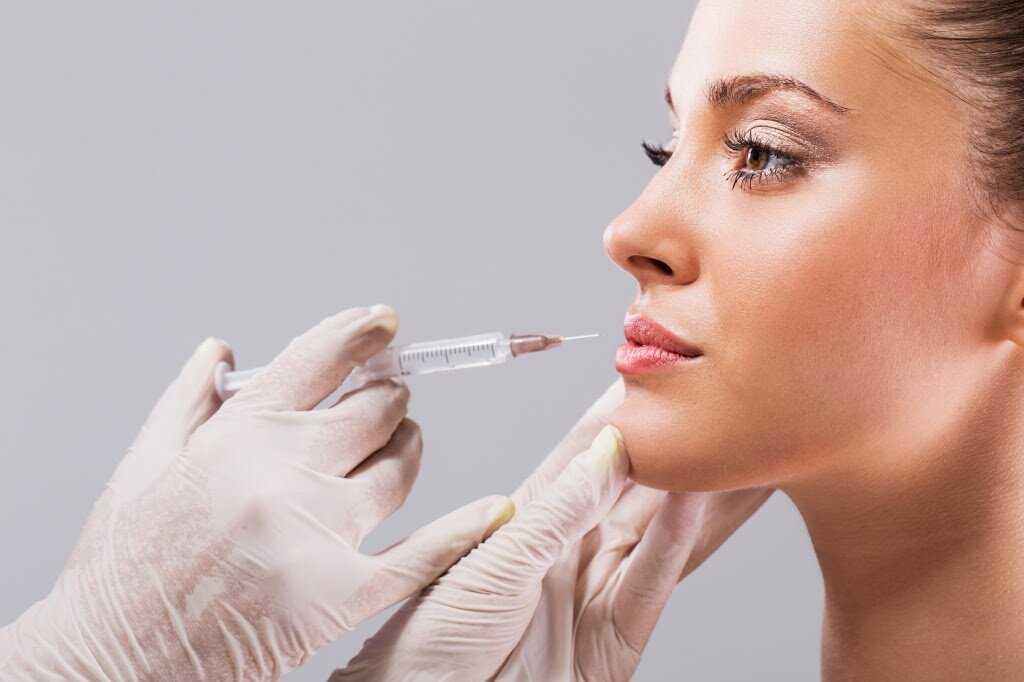
Dermal fillers have become a cornerstone of aesthetic medicine in Riyadh, offering patients effective, minimally invasive solutions for facial rejuvenation and contouring. While these procedures are generally safe when performed by qualified professionals, it is vital for patients to understand that they are medical interventions—not simple beauty treatments. Achieving a safe outcome depends heavily on informed decision-making, the quality of the product, and the expertise of your practitioner. Dermal fillers in Riyadh are a popular non-surgical cosmetic treatment that helps restore facial volume, enhance natural features, and achieve a youthful appearance with minimal downtime.
Most modern dermal fillers used in reputable clinics across Riyadh are based on Hyaluronic Acid (HA). This substance is naturally present in the human body, which is why it is highly biocompatible and predictable. However, the safety profile of these treatments is not solely defined by the substance itself, but by how it is administered. Proper injection depth, sterile technique, and a profound understanding of facial anatomy are what separate a safe, successful procedure from one that leads to complications.
It is normal for patients to experience mild side effects immediately following treatment. These are usually the result of the body’s natural reaction to the injection process rather than the filler material itself. Most of these symptoms subside within a few days:
Swelling and Edema: This is the most common reaction, especially in sensitive areas like the lips or under-eyes. It typically peaks within the first 24 to 48 hours and gradually dissipates.
Bruising and Tenderness: As the needle or cannula enters the skin, it can nick small blood vessels, leading to minor bruising. Patients who use blood-thinning supplements or medications are often more prone to this.
Redness and Itching: Mild erythema (redness) and pruritus (itching) at the injection site are standard responses as the body begins its healing process.
Lumps and Bumps: In the first week, you may feel small, firm areas under the skin. These are often just pockets of filler that have not yet fully integrated with your natural tissue. In most cases, they soften and disappear as the product settles.
While serious complications are rare when treatments are performed by a board-certified professional, they can occur. Recognizing the signs of these risks is critical for patient safety:
Vascular Occlusion: This is the most serious risk. It occurs if the filler is accidentally injected into a blood vessel, which can block blood flow to the skin and lead to tissue necrosis. Symptoms include sudden, intense pain, skin that turns white or mottled (blanching), or a dusky discoloration. This is a medical emergency that requires immediate intervention, often involving the use of hyaluronidase to dissolve the filler and restore circulation.
Infection: Although the risk is low in sterile environments, bacteria can be introduced into the tissue. Signs include persistent redness, increasing warmth, pain, or the presence of pus. Chronic infections, sometimes linked to "biofilms"—clusters of bacteria that can survive within the filler—are rare but require professional medical treatment with antibiotics.
Nodules and Granulomas: These are inflammatory reactions where the body "walls off" the filler, resulting in firm lumps. While some nodules are temporary, granulomas are a chronic immune response that may require corticosteroid treatment or, in rare cases, surgical removal.
Migration: If a filler is placed incorrectly or if the area is manipulated too soon after treatment, the material can move from its intended location, leading to asymmetry or unwanted bulges.
The regulatory and medical standards in Riyadh are high, but the responsibility for your safety begins with your choice of clinic and practitioner. To minimize risk, follow these safety pillars:
Only seek treatment from licensed medical professionals—specifically board-certified dermatologists or plastic surgeons. These experts possess the anatomical knowledge necessary to avoid critical blood vessels and nerves. Never trust heavily discounted treatments or providers who lack formal medical training.
Always ask your provider about the brand of filler they are using. Reputable clinics use globally recognized, medical-grade brands that have undergone rigorous testing for safety and longevity. If a clinic refuses to show you the sealed packaging or uses unregulated products, do not proceed.
A safe procedure always begins with a comprehensive consultation. Your provider should review your medical history—including any history of autoimmune diseases, bleeding disorders, or severe allergies—and discuss your aesthetic goals to ensure you are a suitable candidate. Be honest about any supplements (like fish oil) or medications you are taking, as these can affect bruising and coagulation.
Your recovery phase is just as important as the injection itself.
Avoid Blood Thinners: Stop taking aspirin, ibuprofen, fish oil, and vitamin E for 1–2 weeks prior to your appointment to reduce bruising risk.
Temperature Control: Avoid strenuous exercise, intense heat (like saunas or steam rooms), and excessive sun exposure for 48 hours. Heat increases blood flow to the face, which can worsen swelling.
Hands-Off Policy: Refrain from touching, massaging, or applying pressure to the treated area unless specifically instructed by your practitioner.
Hydration: Staying well-hydrated helps the Hyaluronic Acid integrate fully with your natural tissue, ensuring a smooth result.
You must be aware of what is "normal" versus what is "concerning." If you experience severe, worsening pain, skin discoloration that looks white, dusky, or mottled, or symptoms that suggest reduced blood flow, contact your clinic immediately. Do not wait for these symptoms to "pass on their own."
By choosing a reputable, clinically sound environment and maintaining open communication with a qualified provider, you can enjoy the benefits of dermal fillers while minimizing risks. Your health and long-term well-being should always be the priority in any aesthetic journey.