English
 Arabic
 French
 Spanish
 Portuguese
 Deutsch
 Turkish
 Dutch
Dutch
 Italiano
 Russian
 Romaian
 Portuguese (Brazil)
 Greek
Greek
FYP Book Know Yourself, Know Your Money: Discover WHY you handle money the way you do, and WHAT to do about it! by Rachel Cruze
Shopping |
2026-06-29 03:44:41
 Advertise With Us
 About Us
 Terms And Conditions
 Privacy Policy
See All
Privacy Policy
See All

Upgrade to Pro
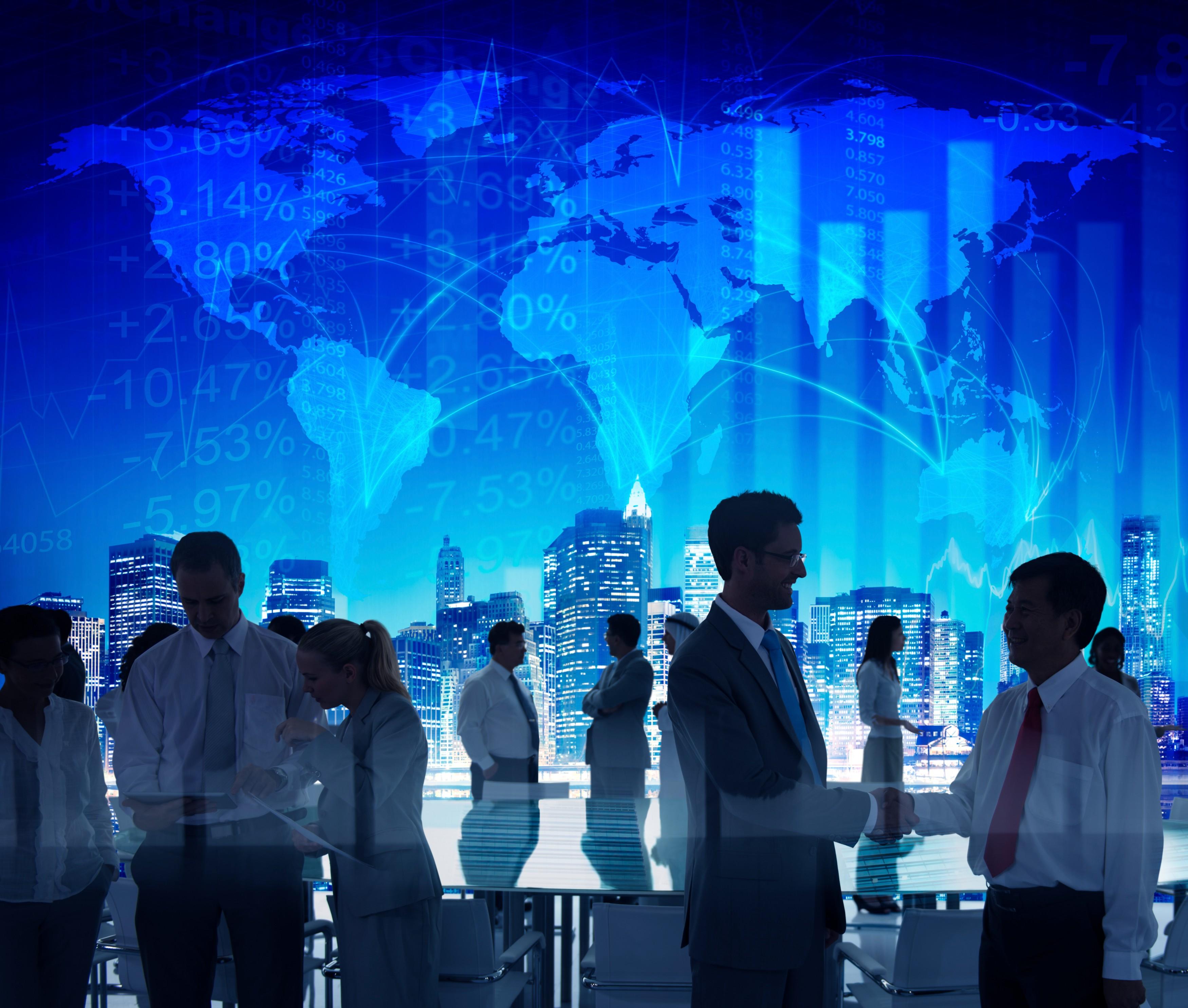
Many consumers wonder if a business can fix the world. For decades, companies focused only on profit. They wanted to make money. Today, that old model is breaking down. People demand more. Consumers want brands to care about humanity. They expect leaders to tackle massive global issues. This shift brings a new wave of innovation. Founders now combine financial growth with community impact. They build companies to solve crises rather than just extracting wealth.
A powerful movement is taking over the modern business world. Founders no longer look at just the bottom line. They look at the community. They look at the environment. This approach is changing how markets operate globally. Experts call this social entrepreneurship. It blends traditional business logic with a massive heart. A company creates a high-quality product. The sales team brings it to market. The leadership then uses the profits to fund clean water initiatives. Sometimes, they use the money to build schools or fund medical research.
Recent data shows a massive shift in buying habits. Over seventy percent of modern consumers prefer brands that give back. Shoppers vote with their wallets. They abandon companies that harm the planet. They support startups that uplift marginalized groups. This pressure forces old markets to adapt. It creates a competitive advantage for those who truly care about their impact.
Shoppers hold the power in today's economy. They ask tough questions before handing over their cash. Where do these materials come from? Who made this shirt? Are the factory workers safe? Transparency wins loyal customers. Brands must answer these questions honestly. If a brand lies, the internet quickly finds out. Honesty builds trust. Trust builds lasting revenue.
Younger generations lead this charge. Demographics like Gen Z and millennials refuse to settle for unethical goods. They want their daily purchases to matter. They view a simple cup of coffee as a chance to support fair trade farmers in developing nations. This mindset shifts billions of dollars across the global economy every single year.
A meaningful business needs a strong foundation to survive. A brand cannot just donate a few dollars and call it a day. The mission must live inside the core strategy. Every executive decision must weigh the human and environmental impact.
First, an organization needs a scalable model. A charity relies on constant external donations. A purpose-driven business relies on consistent sales. The team sells a great product to willing buyers. The revenue naturally funds the mission. This creates a financial engine that never stops running.
Second, founders need measurable impact. Leaders must track the good they do. How many trees did the team plant? How many meals did the warehouse provide? Clear numbers prove a company's value. They show the world that corporate promises are real and actionable.
Industry leaders watch this trend closely. They see how purpose fuels internal innovation. A dedicated team works harder. Employees stay much longer when they believe in the company mission. They feel proud of their daily tasks.
Advisors often guide these ambitious founders through early growth stages. For instance, experts at Ranjit Singh Masuta understand the complex balance between revenue and impact. They know that a business must survive financially to help anyone. A business cannot save the world if it goes bankrupt. Smart leadership requires deep market knowledge alongside a clear operational strategy.
Real-world applications show how this works in practice. Consider a startup that sells affordable solar lamps. Millions of people live entirely off the grid. They rely on toxic kerosene for light. The startup designs a durable, cheap solar lamp. Families buy the lamp and save money on fuel over time. Their children can study at night without inhaling toxic smoke. The startup makes a healthy profit. They use that profit to design even better lamps. Everyone wins.
Consider another example in the fashion industry. A clothing brand uses recycled ocean plastic for its materials. The founders hire local artisans at a living wage. The artisans craft high-quality winter jackets. Consumers buy the jackets because they look fantastic and perform well. The ocean gets cleaner. The local economy grows rapidly. This proves that a company does not need to exploit people to make beautiful things.
Strong communities form the backbone of a healthy economy. When a business invests locally, the entire region thrives. Workers spend their wages at local shops. Children attend better-funded schools. Health outcomes improve dramatically.
This ripple effect changes everything. It turns a simple business transaction into a tool for massive social uplift. Founders realize they hold the key to systemic change within their own neighborhoods.
The future looks incredibly bright for ethical commerce. Technology makes it easier to track impact across the globe. Supply chains become transparent through advanced software. Global communication allows great ideas to spread in seconds. Investors also see the massive financial potential. They pour billions into funds dedicated strictly to positive change.
Governments also play a vital role in this transformation. Policymakers introduce tax incentives for sustainable practices. They reward companies that prioritize human well-being. This creates a friendly environment for purpose-driven startups to thrive. Young graduates notice this shift immediately. Top talent no longer wants to work for soulless corporations. Brilliant engineers and marketers flock to companies that promise a better future.
The global economy stands at a critical turning point. The old way of doing business is fading. The new way demands empathy and aggressive action. The market will see more companies stepping up to fix broken systems. They will tackle climate change head-on. They will fight extreme poverty. The concept of social entrepreneurship will simply become the standard way to operate. Society will no longer need a special term for it. It will just be good business. Those who ignore this shift will fall behind. Those who embrace it will define the next century.
What is the main goal of a purpose-driven business?
The main goal is to solve a specific community or environmental problem while still generating enough revenue to sustain and grow the operation naturally.
Can a company make a profit while helping others?
Yes. A strong business model generates profit through excellent products or services, and then uses a portion of that revenue to fund its positive mission.
Why do modern consumers care about company ethics?
Consumers have access to more information than ever before. They see the global challenges society faces and want to ensure their money supports solutions rather than causing more harm.
How do we measure the impact of these businesses?
Companies track specific metrics related to their mission, such as the number of jobs created, carbon emissions reduced, or community projects funded over a specific period.