English
 Arabic
 French
 Spanish
 Portuguese
 Deutsch
 Turkish
 Dutch
Dutch
 Italiano
 Russian
 Romaian
 Portuguese (Brazil)
 Greek
Greek
(Beyond the Pages of) Brought to Life by Lead Me Home (Queen Anne Hill, #1) by Catherine Bybee
Dance |
2026-06-22 01:20:33
 Advertise With Us
 About Us
 Terms And Conditions
 Privacy Policy
Mostra tutti i risultati
Privacy Policy
Mostra tutti i risultati

Passa a Pro
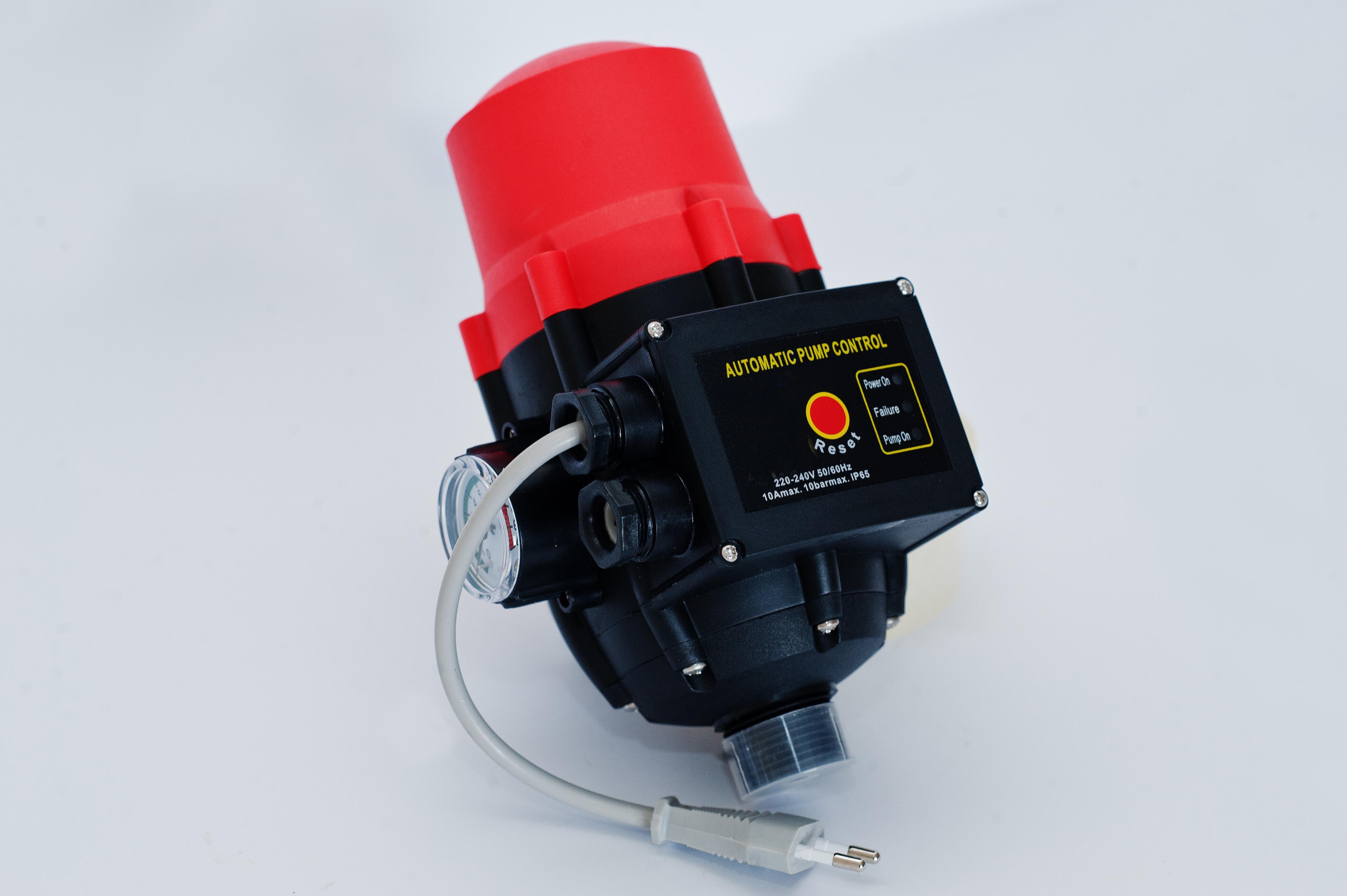
Rising electricity prices and increasing water scarcity are forcing farmers to rethink every aspect of their irrigation systems. One of the biggest opportunities to reduce operating costs lies in improving pump efficiency. Farmers face rising operational costs every single season. A significant portion of these expenses comes directly from electricity usage. Pumping groundwater requires substantial power. Modern operations must evaluate their equipment carefully. Inefficient machinery drains profits quickly. Optimizing this equipment ensures better crop yields and lower utility bills. Climate change makes unpredictable rainfall a standard challenge. Consistent artificial watering remains the only dependable solution for crop survival.
Recent industry studies show that agricultural water extraction accounts for nearly twenty percent of total farm energy consumption worldwide. Older equipment often runs at less than optimal capacity. Mechanical wear and tear gradually decreases output. This forces motors to work much harder than intended. They draw more electricity just to maintain standard flow rates. Equipment upgrades present a clear solution to this widespread problem. Experts note that running a degraded motor for just one extra season often costs more in electricity than purchasing a brand-new unit. Water management stands as a key part of commercial farming success. Without an optimized system, natural resources and financial reserves deplete rapidly.
Focusing intensely on submersible pump efficiency transforms an average farm into a highly productive operation. These specific devices operate completely underwater. They push fluid up to the surface instead of pulling it. This pushing action naturally uses far less energy than traditional surface jet models. However, selecting the wrong size creates immediate operational problems. An oversized unit cycles on and off too frequently. This rapid cycling burns out the internal starter components. Conversely, an undersized unit runs continuously without ever meeting the daily demand. Manufacturers like OK Electrical Industry design motors that handle specific depth and pressure requirements perfectly. Selecting precisely matched equipment prevents unnecessary power waste. It also guarantees that crops receive the exact amount of hydration required during critical growth phases.
Sediment causes severe damage to moving parts. Sand acts like sandpaper against impellers and diffusers. Installing high-quality well screens prevents most debris from entering the intake valve. Regular testing of the well's water quality highlights potential abrasive threats early. Mineral buildup also restricts flow over time. Calcium deposits narrow the internal passages. This restriction forces the motor to expend extra effort to move the same volume of liquid. Periodic chemical cleaning removes these deposits safely. Proper mechanical upkeep acts as an insurance policy for the entire harvest.
Farmers must calculate the total dynamic head and required flow rates accurately. Using an appropriately sized irrigation water pump prevents premature motor failure. Engineers use detailed performance curves to match the motor to the specific well depth. This careful selection process guarantees steady delivery during peak dry seasons. It also extends the overall lifespan of the entire system. Every foot of elevation change impacts the final output at the sprinkler head. Precision in the planning stage eliminates costly errors in the field.
Implementing practical strategies for energy saving in pumps requires both modern technology and consistent maintenance. Variable frequency drives offer one of the most effective mechanical upgrades available today. These intelligent drives adjust the motor speed based on immediate flow demand. The motor automatically slows down when crops need less water. This single adjustment drastically cuts daily electricity consumption.
Routine inspection also plays a necessary role in conservation. Technicians should regularly check the electrical draw with an ammeter. A sudden spike in electrical current often indicates a failing bearing or a jammed impeller. Clearing intake screens immediately restores lost flow capacity. Replacing worn mechanical seals prevents dangerous internal water leaks. Small adjustments lead to significant cost reductions over a ten-year operational lifespan.
Automated control systems remove human error from the watering schedule. Soil moisture sensors send real-time data back to the central control panel. The system activates the motor only when the soil truly requires moisture. Overwatering wastes liquid resources and damages delicate root structures. Smart controllers prevent this outcome entirely. They factor in local weather forecasts and recent rainfall data. This technological integration represents the future of sustainable crop management.
Professionals recognize that maintaining optimal submersible pump efficiency requires ongoing attention. The initial purchase price represents only a small fraction of the total lifecycle cost. Electricity bills account for the vast majority of the true expense over time. Therefore, investing in premium equipment always pays off eventually. Prioritizing consistent energy savings in pumps allows agricultural businesses to remain highly competitive. Lower overhead costs provide a helpful buffer against fluctuating global market prices.
Every commercial farm needs a reliable daily workhorse. A well-maintained irrigation water pump serves as the beating heart of any successful harvest season. It delivers life-sustaining moisture directly to the thirsty roots. Proper management of these core systems protects precious natural resources. It also secures the long-term financial future of the global agricultural sector.
Most high-quality agricultural units last between ten and fifteen years. Regular maintenance and proper sizing can extend this expected lifespan significantly. Operating the equipment in clean, sand-free water also prevents premature internal damage.
A sudden pressure drop usually indicates a clogged intake screen or a severely worn impeller. Sometimes, a rapidly falling water table requires the unit to push fluid from a much greater depth than originally designed.
Many older motors accept variable frequency drives without any major issues. However, technicians must verify compatibility first. Some vintage models lack the necessary wire insulation to handle the varied electrical frequencies safely.