English
 Arabic
 French
 Spanish
 Portuguese
 Deutsch
 Turkish
 Dutch
Dutch
 Italiano
 Russian
 Romaian
 Portuguese (Brazil)
 Greek
Greek
Pico Laser Treatment in Dubai: Uses & Benefits Guide
Health |
2026-08-17 07:29:17
 Advertise With Us
 About Us
 Terms And Conditions
 سياسة الخصوصية
عرض كل النتائج
سياسة الخصوصية
عرض كل النتائج

ترقية الحساب
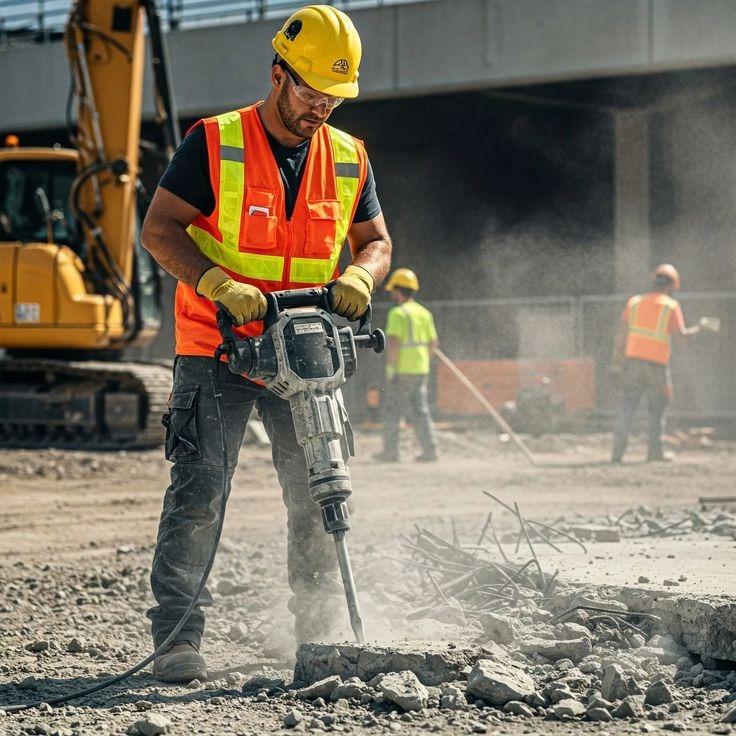
A newly appointed safety supervisor walks onto a busy construction site for the first time. Heavy machinery is operating, contractors are working at height, and dozens of tasks are happening simultaneously. Although the supervisor has practical experience, it quickly becomes clear that structured health and safety knowledge is essential for identifying risks, preventing incidents, and maintaining safe working conditions.
For many professionals, choosing the right training begins with understanding Nebosh IGC course fees in Pakistan alongside the quality of instruction, learning resources, and certification process. Looking beyond the advertised course fee allows learners to compare providers more effectively and select a program that supports both practical knowledge and long-term professional development.
The NEBOSH International General Certificate (IGC) is one of the most widely recognized occupational health and safety qualifications worldwide. It provides learners with practical knowledge that can be applied across industries including construction, manufacturing, logistics, oil and gas, healthcare, and utilities.
Unlike programs that focus only on theory, the IGC encourages learners to understand workplace hazards, evaluate risks, and recommend practical solutions. This approach prepares professionals to improve safety standards in real working environments.
For example, a warehouse supervisor may use risk assessment techniques learned during the course to redesign pedestrian routes and forklift traffic, reducing the likelihood of workplace incidents.
The IGC develops practical skills that employers value across a range of industries.
Students learn how to recognize hazards before they result in accidents.
These may include:
Slips and trips
Electrical hazards
Unsafe machinery
Manual handling risks
Chemical exposure
Working at height
Early identification helps organizations reduce workplace incidents through preventive action.
Risk assessment forms the foundation of effective workplace safety.
Learners develop the ability to:
Identify hazards
Evaluate risks
Recommend control measures
Monitor workplace improvements
For instance, before maintenance work begins on industrial equipment, a structured assessment helps ensure appropriate isolation procedures and protective controls are in place.
When incidents occur, understanding the underlying causes is essential.
The course teaches learners how to investigate workplace events systematically, identify contributing factors, and recommend improvements that reduce the likelihood of similar incidents.
Modern organizations rely on structured safety systems rather than isolated safety activities.
Students explore topics including:
Safety culture
Leadership responsibilities
Employee communication
Emergency preparedness
Continuous improvement
These concepts support safer workplaces over the long term.
One of the first questions prospective students ask concerns the course fee.
While different providers advertise different amounts, the total educational charges often depend on what is included within the training package.
Many providers include:
Classroom or online instruction
Student registration
Learning materials
Tutor support
Practice assessments
Administrative services
Examination registration
Before enrolling, request a detailed breakdown of the course fee so you understand which services are included.
Several educational factors contribute to differences between providers.
Students can usually choose from:
Classroom learning
Live online training
Distance learning
Blended learning
Each method requires different teaching resources and levels of learner support.
Experienced trainers often explain technical concepts using practical workplace examples.
A trainer who has worked in construction or manufacturing can connect classroom theory with situations students are likely to encounter during their careers.
Some institutes provide:
Printed textbooks
Digital study guides
Revision workbooks
Recorded lectures
Practice examinations
The quantity and quality of these resources often influence the overall course package.
Some providers include examination registration within the course fee, while others list it separately.
Understanding this difference makes provider comparisons much more accurate.
Modern learners have several study options available.
Face-to-face instruction remains a popular choice.
Benefits include:
Direct interaction with instructors
Immediate answers to questions
Classroom discussions
Practical learning activities
Structured study schedules
Many learners appreciate the consistency that classroom learning provides.
Online education offers flexibility for busy professionals.
Advantages include:
Remote access
Flexible schedules
Recorded sessions
Reduced travel
Easier balance between work and study
For example, a maintenance engineer working shifts can complete lessons outside normal working hours without disrupting professional responsibilities.
There is no single best option.
A recent graduate may benefit from classroom interaction, while an experienced supervisor balancing family and work commitments may prefer online flexibility.
The right choice depends on individual learning preferences.
Selecting the right institute involves much more than comparing educational charges.
Look for instructors with practical industry experience.
Real workplace examples help learners understand how theoretical concepts apply in everyday situations.
Quality institutes typically provide:
Tutor guidance
Assignment feedback
Revision sessions
Mock assessments
Student discussion opportunities
Consistent support helps learners stay engaged throughout the course.
Health and safety practices continue to evolve.
Institutes that regularly update their learning resources help students understand current workplace standards and industry expectations.
Reading independent reviews offers valuable insight into teaching quality, communication, and learner satisfaction.
Consistent positive feedback often reflects reliable educational standards.
Imagine a manufacturing facility where employees regularly experience minor injuries while handling materials manually.
Rather than repeatedly reminding workers to "be careful," a trained safety professional may recommend redesigned workstations, mechanical lifting aids, revised handling procedures, and additional employee training.
This systematic approach addresses the root causes of workplace hazards instead of relying solely on reminders.
A little preparation can make your learning experience much smoother.
Before choosing a provider:
Compare several institutes.
Request a complete breakdown of the course fee.
Review instructor qualifications.
Confirm examination arrangements.
Ask about study materials.
Read independent student reviews.
Check whether tutor support continues after scheduled classes.
These practical steps help learners make informed decisions.
Professional safety education is most effective when learners receive experienced instruction, practical workplace examples, and ongoing academic support. A quality training provider should encourage critical thinking, problem-solving, and the application of safety principles in real working environments.
When comparing institutes, ask about tutor availability, revision workshops, mock assessments, and opportunities to discuss workplace case studies. If you are reviewing Nebosh IGC fees in Pakistan, request a detailed explanation of what the course fee includes, such as tuition, learning materials, examination registration, and student support. A transparent approach makes it easier to compare providers based on educational quality rather than promotional claims.
The qualification is suitable for safety officers, supervisors, engineers, managers, recent graduates, and professionals who want to strengthen their understanding of occupational health and safety.
No. Many learners begin the course without formal safety experience. The curriculum is designed to develop practical knowledge progressively.
Yes. Many providers offer classroom, online, and blended learning options that allow professionals to study alongside their existing responsibilities.
Different providers include different levels of academic support, study materials, examination arrangements, and learner services within their course packages.
Review instructor experience, learning resources, student support, examination preparation, teaching methods, and independent learner feedback in addition to the course fee.
Choosing the right NEBOSH IGC course involves much more than comparing educational charges. The most valuable learning experience combines experienced instructors, practical workplace examples, comprehensive study resources, and consistent academic support throughout the certification journey.
By understanding what is included in the course fee, evaluating training providers carefully, and selecting a learning pathway that matches your professional goals, you can build practical health and safety knowledge with confidence. A well-structured qualification not only prepares you for successful certification but also helps you contribute to safer workplaces throughout your career.