English
 Arabic
 French
 Spanish
 Portuguese
 Deutsch
 Turkish
 Dutch
Dutch
 Italiano
 Russian
 Romaian
 Portuguese (Brazil)
 Greek
Greek
Quantum Networking Market Research Report: Revenue Analysis, Market Share & Future Growth
Art |
2026-08-06 08:05:05
 Advertise With Us
 About Us
 Terms And Conditions
 Politique de confidentialité
Tout voir
Politique de confidentialité
Tout voir

Mise à niveau vers Pro
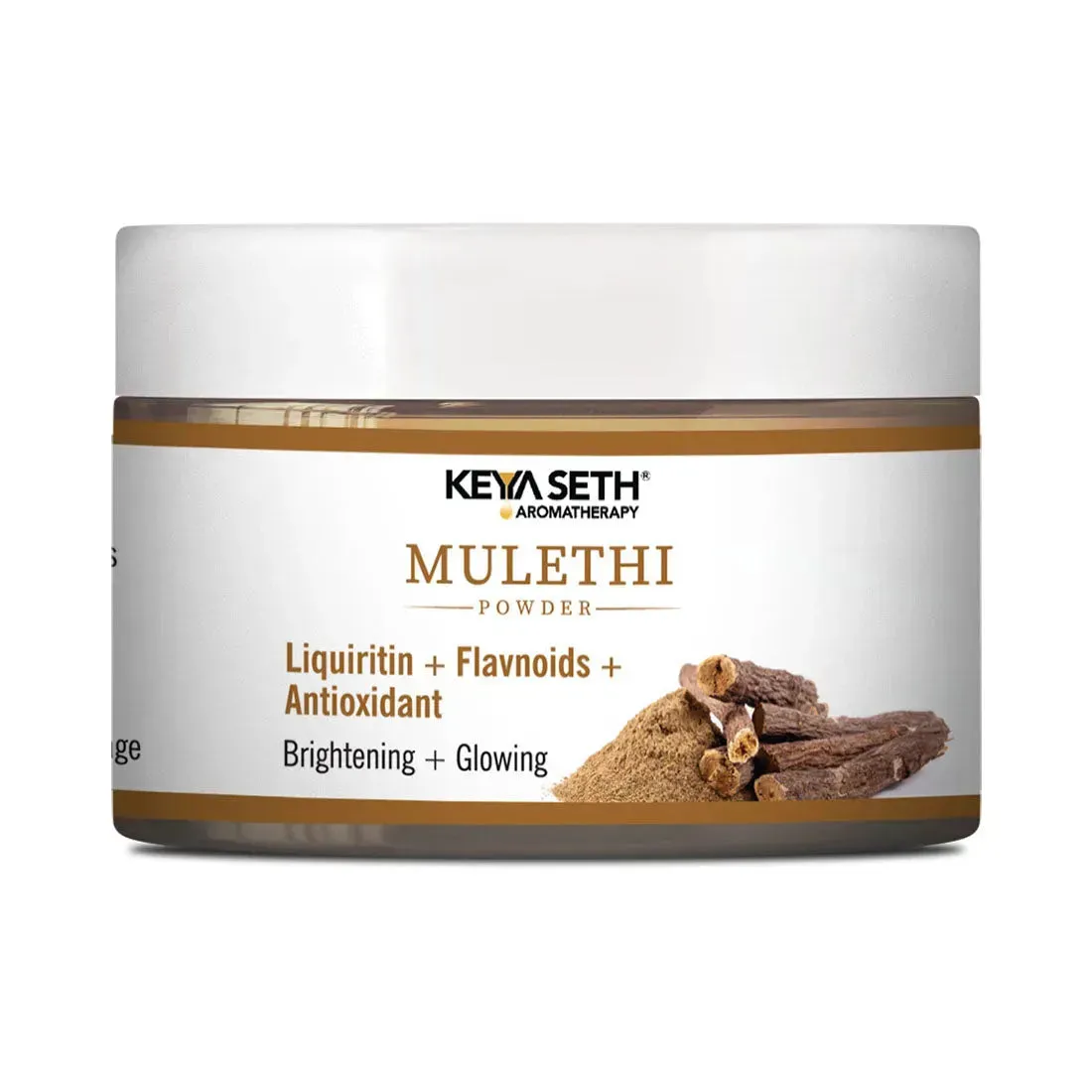
Mulethi Face Pack is a simple natural skincare remedy that many people use to improve dullness, uneven tone, tanning, and tired-looking skin. Mulethi, also known as licorice root, has been used in traditional beauty care for generations because it is gentle, easy to mix with common ingredients, and suitable for many skincare routines when used correctly.
Glowing skin does not always come from expensive products. Often, it comes from consistent care, the right ingredients, sun protection, hydration, and a routine that supports your skin instead of irritating it. A mulethi face pack can be a helpful part of that routine because it may support brightness, calmness, and a more even-looking complexion.
This guide explains what mulethi is, how it works, its possible benefits, how to prepare different face packs at home, mistakes to avoid, and how to use it safely. The goal is simple: help you understand mulethi face care in a practical, easy, and reliable way.
A mulethi face pack is a homemade or ready-made skincare mask made using mulethi powder or licorice root extract. It is usually mixed with ingredients like rose water, honey, curd, aloe vera gel, sandalwood powder, or milk to create a paste that can be applied to the face.
Mulethi refers to the root of the Glycyrrhiza glabra plant. In skincare, licorice root is known for compounds such as glabridin and glycyrrhizin, which are studied for antioxidant, soothing, and pigmentation-supporting properties. Research available through biomedical sources such as the National Library of Medicine notes that licorice has shown antioxidant and anti-inflammatory activities in scientific studies.
In simple words, mulethi face pack means a skin mask made with licorice root powder to help refresh the skin naturally.
Mulethi is popular because it is considered gentle compared to many harsh brightening ingredients. People often use it for dull skin, tanning, dark spots, acne marks, and uneven skin tone.
The main reason behind its popularity is its connection with skin brightening. Some studies suggest that glabridin, a compound found in licorice, may help reduce melanin-related pigmentation by affecting the processes involved in skin darkening. Melanin is the pigment that gives color to the skin, hair, and eyes. When melanin production becomes uneven due to sun exposure, acne marks, or inflammation, the skin may look patchy or dull.
Mulethi does not bleach the skin. Instead, it may help the skin look clearer and more even over time when used properly with sunscreen and a balanced routine.
Dull skin often happens because of pollution, dead skin buildup, dehydration, sun exposure, and lack of sleep. A mulethi face pack may help refresh the skin’s appearance by supporting a cleaner and brighter look.
When mixed with rose water or aloe vera gel, mulethi can feel cooling and soothing. This makes it a good option for people who want a natural glow without using very strong active ingredients.
Uneven skin tone is common. It may appear as patchiness, tanning, acne marks, or mild pigmentation. Mulethi is often used in skincare products because licorice extract is associated with brightening and tone-evening benefits. Dermatology-focused skincare discussions often mention licorice extract for dark spots and uneven tone because of compounds that may influence melanin formation.
For best results, mulethi should be used consistently but not excessively. Natural remedies take time and should not be treated like instant fairness solutions.
Dark spots can appear after acne, sun exposure, or minor skin irritation. A mulethi face pack may help fade the appearance of spots gradually when combined with sun protection.
This is important because sunlight can make pigmentation worse. Even the best face pack will not work well if the skin is exposed to strong sun without sunscreen.
Mulethi is often valued for its calming nature. If your skin looks stressed after a long day outside, a gentle mulethi and aloe vera face pack can help the skin feel fresh.
Think of it like giving your skin a soft reset. It does not replace cleansing, moisturizing, or sunscreen, but it can support your weekly skincare routine.
Tanning happens when the skin produces more melanin after sun exposure. Mulethi may help improve the appearance of tanning over time, especially when mixed with curd, honey, or sandalwood powder.
However, tan removal is not overnight. It requires patience, regular care, and protection from further sun damage.
One of the biggest advantages of mulethi face pack is that it is easy to prepare. You do not need complicated ingredients. Most recipes need only mulethi powder and one or two supporting ingredients.
This makes it useful for beginners who want a natural skincare option at home.
Mulethi face pack works by combining the natural properties of licorice root with the benefits of other skin-friendly ingredients.
Mulethi may support brightness. Rose water may refresh the skin. Honey may help maintain softness. Aloe vera may calm the skin. Curd may offer mild exfoliating support because it contains lactic acid, which is commonly used in skincare for smoother-looking skin.
The face pack sits on the skin for a short period. During this time, it helps soften the surface, refresh the skin, and support a more even appearance. It should not be left on for too long because even natural ingredients can irritate the skin if overused.
This is one of the simplest mulethi face pack recipes for beginners.
Ingredients:
2 teaspoons mulethi powder
Enough rose water to make a smooth paste
How to use:
Mix mulethi powder with rose water. Apply a thin layer to clean skin. Leave it for 10 to 15 minutes. Wash with normal water and apply moisturizer.
Best for:
Dull skin, tired skin, and normal to oily skin.
Why it works:
Rose water gives a refreshing feel, while mulethi supports a brighter-looking complexion.
This pack is useful for people who want softness along with glow.
Ingredients:
2 teaspoons mulethi powder
1 teaspoon honey
A few drops of rose water if needed
How to use:
Mix all ingredients into a smooth paste. Apply evenly on the face. Keep it for 10 minutes. Rinse gently and moisturize.
Best for:
Dry, normal, and dull skin.
Why it works:
Honey helps the skin feel soft and hydrated. Mulethi supports natural radiance.
This is a gentle option for skin that feels warm, tired, or slightly irritated.
Ingredients:
2 teaspoons mulethi powder
1 tablespoon pure aloe vera gel
How to use:
Mix the ingredients well. Apply on the face and neck. Leave for 10 to 12 minutes. Wash off and follow with a light moisturizer.
Best for:
Sensitive-looking, tired, or sun-exposed skin.
Why it works:
Aloe vera gives a cooling feel. Mulethi helps improve the look of dullness and uneven tone.
This pack is often used for tan care and mild exfoliation.
Ingredients:
2 teaspoons mulethi powder
1 tablespoon fresh curd
How to use:
Mix into a creamy paste. Apply a thin layer. Leave for 8 to 10 minutes only. Wash with cool water.
Best for:
Tanned, dull, or rough-looking skin.
Why it works:
Curd contains lactic acid, which may help remove dead skin from the surface. Mulethi supports a brighter look.
Important note:
Avoid this pack if your skin is very sensitive, acne-inflamed, or irritated.
This is a traditional glow pack for oily and combination skin.
Ingredients:
1 teaspoon mulethi powder
1 teaspoon sandalwood powder
Rose water as needed
How to use:
Make a smooth paste. Apply evenly. Leave for 10 minutes. Wash gently.
Best for:
Oily skin, combination skin, and dull skin.
Why it works:
Sandalwood gives a cooling feel and helps control excess oil appearance. Mulethi supports skin brightness.
This recipe is suitable for people who want a soft, smooth finish.
Ingredients:
2 teaspoons mulethi powder
Enough milk to make a paste
How to use:
Mix well and apply on clean skin. Leave for 10 minutes. Wash with lukewarm water.
Best for:
Dry and normal skin.
Why it works:
Milk helps soften the skin surface, while mulethi improves the look of dullness.
A patch test means testing a small amount of product on a small area of skin before applying it to the face. The American Academy of Dermatology recommends testing skincare products to help reduce the risk of irritation, especially when trying something new.
Apply a small amount of the mulethi paste near your jawline or inner arm. Wait 24 hours. If there is no redness, itching, burning, or swelling, you can use it on your face.
More is not always better in skincare. Using a mulethi face pack daily may dry out or irritate the skin.
For most people, 1 to 2 times a week is enough. Sensitive skin should start with once a week.
A face pack is not a night cream. Leaving mulethi paste overnight can make the skin dry or irritated.
Keep it for 10 to 15 minutes only. Wash it off before it becomes too tight or uncomfortable.
After using any face pack, the skin may need hydration. Apply a gentle moisturizer after rinsing the pack.
This helps maintain the skin barrier. The skin barrier is the outer protective layer that keeps moisture in and irritants out.
Sunscreen is essential if you are trying to improve dark spots, tanning, or uneven skin tone. Without sunscreen, pigmentation can return or become darker.
Use a broad-spectrum sunscreen in the morning and reapply when needed, especially if you are outdoors.
People with normal skin can use a simple mulethi and rose water pack once or twice a week.
Oily skin types may prefer mulethi with rose water or sandalwood powder. These combinations feel light and fresh.
Dry skin types should use mulethi with honey, milk, or aloe vera. These ingredients help reduce dryness after washing.
Sensitive skin can react even to natural ingredients. If your skin often burns, itches, or turns red easily, use mulethi with aloe vera and do a patch test first.
Avoid mixing too many ingredients at once.
Many people mix mulethi with lemon juice, turmeric, baking soda, curd, coffee, and other ingredients all at once. This can irritate the skin.
Simple recipes are better. Use two or three ingredients maximum.
Do not apply thick face packs on painful, active acne. It may increase irritation or clog the skin.
If you have severe acne, consult a dermatologist instead of depending only on home remedies.
Mulethi face pack may improve glow and freshness quickly, but dark spots and pigmentation take time.
Visible improvement usually needs consistent care for several weeks.
This is the biggest mistake. If you use brightening remedies but skip sunscreen, the results may not last.
Sunscreen protects your progress.
Do not rub harshly while washing off the pack. Wet your face first, soften the mask, and rinse gently.
Harsh rubbing can damage the skin barrier and cause redness.
Imagine someone who travels daily for work. Their skin faces dust, sun, sweat, and pollution. By the weekend, the skin looks tired and dull.
A simple routine can help:
Cleanse the face gently
Apply mulethi and rose water pack for 10 minutes
Rinse with normal water
Apply moisturizer
Use sunscreen the next morning
This routine is easy, affordable, and realistic. It does not require a long list of products.
Another example is someone with mild tanning after outdoor work. They can use mulethi and curd once a week, along with daily sunscreen. Over time, the skin may look fresher and more even.
Mulethi face pack may help the skin look brighter, softer, and more refreshed. It may also support a more even-looking tone with regular use.
However, it is not a medical treatment. It cannot cure melasma, severe acne, deep pigmentation, eczema, or allergic reactions. For persistent skin concerns, it is best to consult a dermatologist.
Natural skincare works best when expectations are realistic.
Mulethi face pack is used to improve the appearance of dull skin, uneven skin tone, tanning, and mild dark spots. It is also used for a fresh, natural glow.
It may help reduce the appearance of mild dark spots over time. For deeper pigmentation, professional skincare advice may be needed.
No. Daily use is not recommended. Use it 1 to 2 times a week to avoid dryness or irritation.
Yes, mulethi is commonly used for glowing skin because licorice root contains compounds linked with brightening, antioxidant, and soothing properties.
It is better to avoid lemon on the face. Lemon juice can be harsh and may cause burning, dryness, or sensitivity, especially in sunlight.
Keep it for 10 to 15 minutes. Wash it off before it becomes overly dry or tight.
Yes. Mulethi face pack can be used by men and women. Skin concerns like tanning, dullness, and uneven tone are common for everyone.
Mulethi may help brighten the skin and improve uneven tone. It does not change your natural skin color permanently.
Use fresh mulethi powder from a reliable source. Always apply the pack on clean skin. Do not apply makeup immediately after using the pack. Keep your routine simple. Drink enough water. Sleep well. Eat fruits, vegetables, and protein-rich foods. Protect your skin from harsh sun exposure.
Skincare is like gardening. You cannot water a plant once and expect it to bloom forever. You need regular care, protection, and patience. Your skin works the same way.
Mulethi Face Pack for Glowing Skin Naturally is a practical and gentle skincare choice for people who want a simple home remedy for dullness, tanning, and uneven tone. Mulethi has a long history in traditional beauty care, and modern skincare discussions also recognize licorice root extract for its brightening and soothing potential.
The best way to use it is with patience. Choose a recipe based on your skin type, do a patch test, use it once or twice a week, moisturize properly, and never skip sunscreen during the day.
If you are new to natural skincare, start with a mulethi and rose water face pack. It is simple, beginner-friendly, and easy to include in your weekly routine.
For more natural skincare tips, DIY face pack ideas, and ingredient-based beauty guides, read a related guide or article and build a routine that truly suits your skin.