English
 Arabic
 French
 Spanish
 Portuguese
 Deutsch
 Turkish
 Dutch
Dutch
 Italiano
 Russian
 Romaian
 Portuguese (Brazil)
 Greek
Greek
Top CLAT Preparation Institute in Delhi By BST Competitive Law
Other |
2026-06-24 13:08:34
 Advertise With Us
 About Us
 Terms And Conditions
 Privacy Policy
Mostra tutti i risultati
Privacy Policy
Mostra tutti i risultati

Passa a Pro
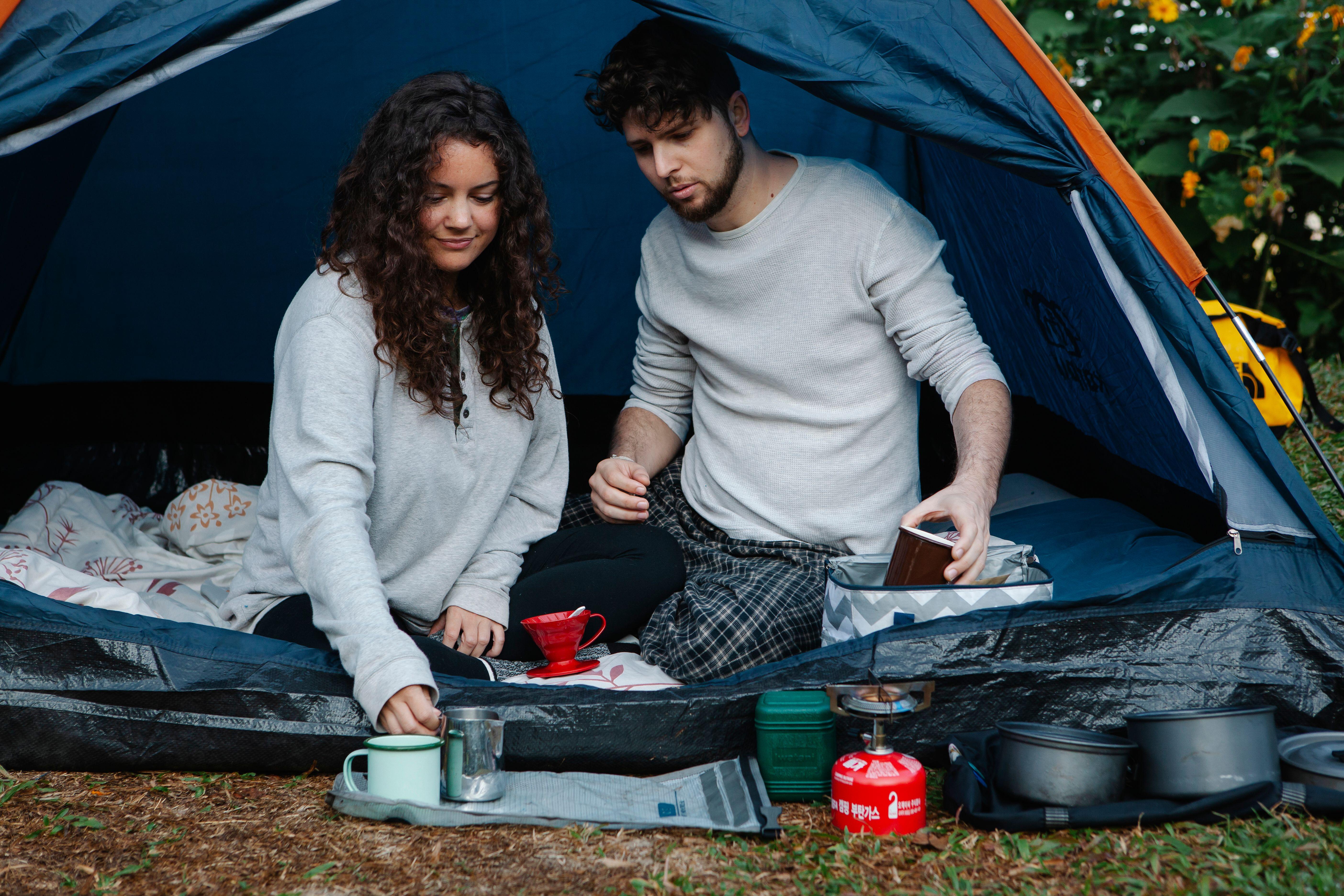
Cooking a warm meal outdoors is one of the simple joys of camping, and the right camp stove makes it easy. Whether you're boiling water for coffee or cooking a full dinner, a reliable camp stove can turn any campsite into your outdoor kitchen. This guide covers the different types of camp stoves, how to use them safely, and tips to get the most out of your outdoor cooking setup.
Camp stoves generally fall into a few categories. Canister stoves are small, lightweight, and screw directly onto a fuel canister, making them a favorite for backpackers who want simplicity. Liquid fuel stoves burn fuels like white gas and perform well in cold weather, though they require more maintenance. Two burner propane stoves are common for car camping gearsince they offer more cooking space for groups. Wood burning stoves are also an option for those who want to avoid carrying fuel at all, relying instead on sticks and twigs found on site.
The type of fuel you choose depends on your stove and your trip conditions. Isobutane canisters are convenient and widely available, but they can struggle in very cold temperatures. White gas performs better in cold weather and is often more affordable for long trips, though it requires priming and more careful handling. Propane is a solid choice for car camping gearsince larger tanks are easy to transport by vehicle. Always check what fuel type your specific stove requires before heading out.
Cooking with an open flame outdoors requires some basic safety awareness. Always set up your stove on a flat, stable surface away from dry grass, leaves, or anything flammable. Never use a camp stove inside a tent, since this can lead to dangerous carbon monoxide buildup. Keep a small fire extinguisher or bucket of water nearby just in case. Check fuel connections for leaks before lighting the stove, and store fuel canisters away from heat sources or direct sunlight when not in use.
Cooking outdoors is a bit different from cooking at home, but a few tricks make it easier. Use a wind screen to protect the flame and improve fuel efficiency, especially on breezy days. Simmering works better with stoves that have adjustable flame control, so look for that feature if you enjoy cooking more than boiling water. Prepping ingredients at home before your trip, like chopping vegetables, saves time and cleanup at the campsite. Also, invest in cookware that distributes heat evenly to avoid burnt spots.
When shopping for a camp stove, a few features are worth paying attention to. Piezo ignition lets you light the stove with the push of a button instead of fumbling with matches or a lighter in windy conditions. Adjustable flame control gives you more cooking flexibility beyond just boiling water. Weight and packed size matter a lot if you're backpacking, while stability and burner size matter more for car camping gearsetups feeding a group.
Proper cleaning extends the life of your camp stove significantly. After each trip, wipe down the burners and remove any food residue or grease buildup. For stoves with removable parts, clean them separately with warm soapy water and let everything dry completely before storing. Check fuel lines and connections for any signs of wear or damage. Store your stove in a dry place, and always disconnect fuel canisters before packing the stove away for storage.
You don't need to spend a fortune to get a reliable camp stove, but premium options do offer real benefits. Budget stoves are great for occasional campers or those just starting out, often costing under 50 dollars while still getting the job done. Premium stoves offer better fuel efficiency, more durable construction, and features like simmer control that make cooking more enjoyable. If you camp frequently or care about cooking quality, investing a bit more upfront often pays off in performance and durability over time.
https://www.travelosei.com/hello-india/best-camping-gear-for-beginners
Can I use a camp stove inside my tent?
No, this is not safe. Camp stoves produce carbon monoxide and pose a fire risk, so they should always be used outside in a well ventilated area away from your tent.
What's the best fuel for cold weather camping?
White gas generally performs better in cold temperatures compared to isobutane canisters, which can lose pressure and become less efficient in freezing conditions.
How long does a camp stove fuel canister last?
This depends on usage, but a standard canister typically provides several hours of cooking time, often lasting for multiple meals over a weekend trip.