English
 Arabic
 French
 Spanish
 Portuguese
 Deutsch
 Turkish
 Dutch
Dutch
 Italiano
 Russian
 Romaian
 Portuguese (Brazil)
 Greek
Greek
FYP Book Phoebe Berman's Gonna Lose It by Brooke Averick
Travel |
2026-06-25 03:42:15
 Advertise With Us
 About Us
 Terms And Conditions
 Política de Privacidade
Ver Todos
Política de Privacidade
Ver Todos

Atualize para o Pro
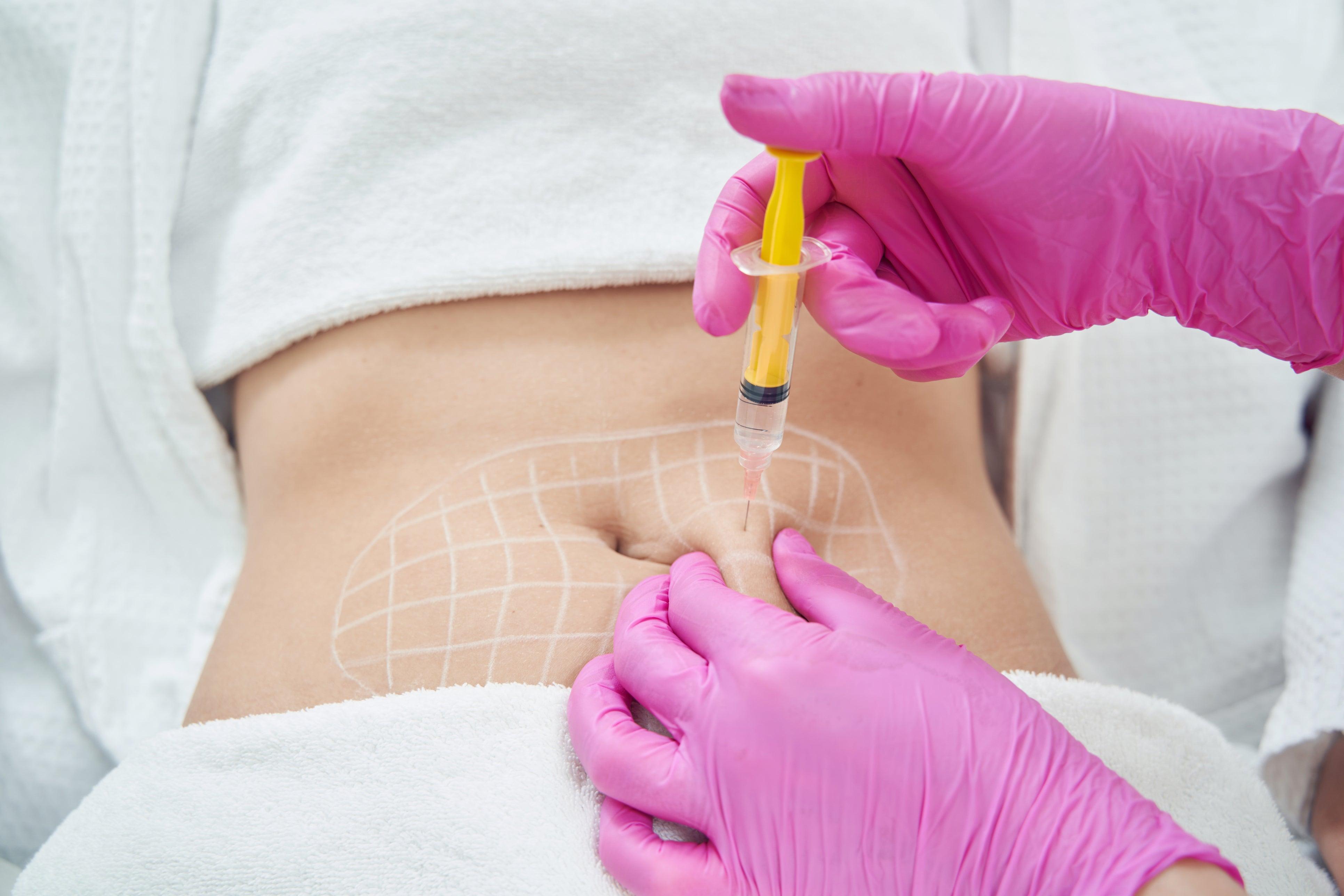
A common question among patients considering fat-melting injections (injection lipolysis) in Riyadh is whether the treatment will result in sagging skin once the fat volume is removed. While fat-melting injections are primarily designed to reduce the volume of localized fat deposits, the relationship between these injections and skin texture is a critical factor for achieving a successful outcome. Understanding how your skin responds to the loss of fat—and what you can expect in terms of "tightening"—is essential for managing your aesthetic expectations.
Fat melting injection in Riyadh is a popular non-surgical body contouring treatment designed to target stubborn fat deposits and help create a more sculpted appearance.
To understand why skin tightening is a concern, one must first understand the procedure. Fat-melting injections, such as those using deoxycholic acid, target subcutaneous fat—the layer of soft tissue beneath the skin. By rupturing these fat cells, the volume in a specific area (such as the chin, abdomen, or thighs) is reduced.
When you remove a significant volume of fat from a small area, the skin that was previously stretched over that fat must have the capacity to retract. This retraction is governed by your skin’s inherent elasticity, which is determined by the density of collagen and elastin fibers in the dermal layer.
It is important to clarify a technical distinction: Fat-melting injections are not, by definition, a skin-tightening procedure. Their primary mechanism is the destruction of adipose (fat) tissue, not the stimulation of new collagen or elastin fibers in the skin.
However, patients often report that an area looks "tighter" or more defined after the treatment. This is usually due to two factors:
Reduction in "Weight": By removing the heavy fat cells that pull on the skin due to gravity, the skin may appear to sit more snugly against the underlying structures.
Inflammatory Response: The treatment induces a controlled, localized inflammatory response. During the healing phase, this process can trigger a mild, secondary stimulation of the skin’s supportive layers. While this is not as powerful as a dedicated skin-tightening laser or radiofrequency treatment, it can lead to a slight improvement in the appearance of skin firmness.
The most important factor in whether you will experience "tightening" or "sagging" is your skin's starting condition.
Candidates with High Elasticity: Younger patients or those with healthy, thick skin and high collagen content typically see the best results. As the fat volume reduces, their skin naturally retracts and conforms to the new, slimmer contour. For these individuals, the "tightening effect" appears nearly perfect because the skin has the mechanical ability to adapt.
Candidates with Low Elasticity: If you have significant skin laxity—often due to aging, rapid weight loss, or extensive sun damage—the loss of fat volume may leave the skin looking loose, wrinkled, or "crepey." In these cases, removing the fat volume might inadvertently emphasize the skin's lack of structure.
In Riyadh, where the extreme heat and dry environment can degrade collagen levels over time, skin elasticity is often a concern for many patients. If you are considering fat-melting injections for an area prone to laxity (such as the neck or the upper arms), it is crucial to discuss your skin's "snap-back" potential with your practitioner during your consultation.
A reputable clinician will perform a simple test: they will pinch the skin in the target area to see how quickly it returns to its original position. If the skin moves slowly or remains pinched, you may be a candidate for a combined approach rather than injections alone.
Because fat-melting injections primarily address volume, many top-tier aesthetic centers in Riyadh now recommend combining them with dedicated skin-tightening modalities to ensure a superior result. If your goal is both fat reduction and a firmer appearance, consider the following combinations:
Radiofrequency (RF) Treatments: RF energy gently heats the dermis, stimulating a strong collagen-remodeling response. When performed alongside a series of fat-melting injections, RF helps to tighten the skin as the fat volume is gradually removed. This is a common and highly effective strategy for the abdomen and chin.
Micro-focused Ultrasound: Technologies that deliver energy to deeper layers of the skin can help lift and tighten the tissue, providing a scaffold for the skin to retract as the underlying fat disappears.
Bio-stimulators: In some cases, your dermatologist may recommend injectable bio-stimulators (such as PLLA or calcium hydroxyapatite) either before or after your lipolysis series. These substances do not melt fat; instead, they act as a "seed" to encourage your body to produce more of its own collagen, effectively thickening and tightening the skin from within.
If you decide to proceed with fat-melting injections, you can support your skin's firmness through your own daily habits:
Strict Sun Protection: UV exposure is the number-one enemy of collagen. In Riyadh’s intense sun, failing to wear SPF 50+ daily will actively degrade your skin’s ability to retract, making any skin-tightening goal much harder to achieve.
Topical Support: Using medical-grade skincare that promotes collagen production—such as retinoids, peptides, and vitamin C—can help strengthen the skin’s structural integrity over the course of your treatment series.
Nutritional Support: Ensure your diet is rich in amino acids (the building blocks of collagen) and antioxidants. Supplements such as collagen peptides, when used as part of a balanced diet, may help provide the necessary building blocks for your skin’s repair process.
Patience with the Timeline: The skin’s retraction process is slower than the fat reduction process. Even after the fat cells are cleared, your skin may continue to improve in texture and firmness for several months as it adapts to the new volume.
When you meet with your practitioner, be honest about your goals. If you simply ask for "fat removal," you may get exactly that, but without the tightening support you might need. Instead, try asking: "My primary concern is this fat pocket, but I am worried about the skin becoming loose. What can we do to ensure my skin tightens along with the volume loss?"
A skilled injector will be able to tell you if the injections alone will suffice or if you would benefit from a staged approach, where skin tightening is prioritized either before or during your fat-reduction series. By planning for both volume and structure, you can achieve a result that is not only slimmer but also firmer and more refined.
Are you particularly worried about skin laxity in a specific area like the chin or abdomen, and would you like to know which skin-tightening technologies are most frequently paired with lipolysis in local Riyadh clinics?