English
 Arabic
 French
 Spanish
 Portuguese
 Deutsch
 Turkish
 Dutch
Dutch
 Italiano
 Russian
 Romaian
 Portuguese (Brazil)
 Greek
Greek
Global Syndesmosis Implant Systems Market Industry Insights, Trends, Outlook, Opportunity Analysis Forecast To 2025-2034
Networking |
2026-03-18 07:21:38
 Advertise With Us
 About Us
 Terms And Conditions
 Политика конфиденциальности
Смотреть все
Политика конфиденциальности
Смотреть все

Обновить до Про
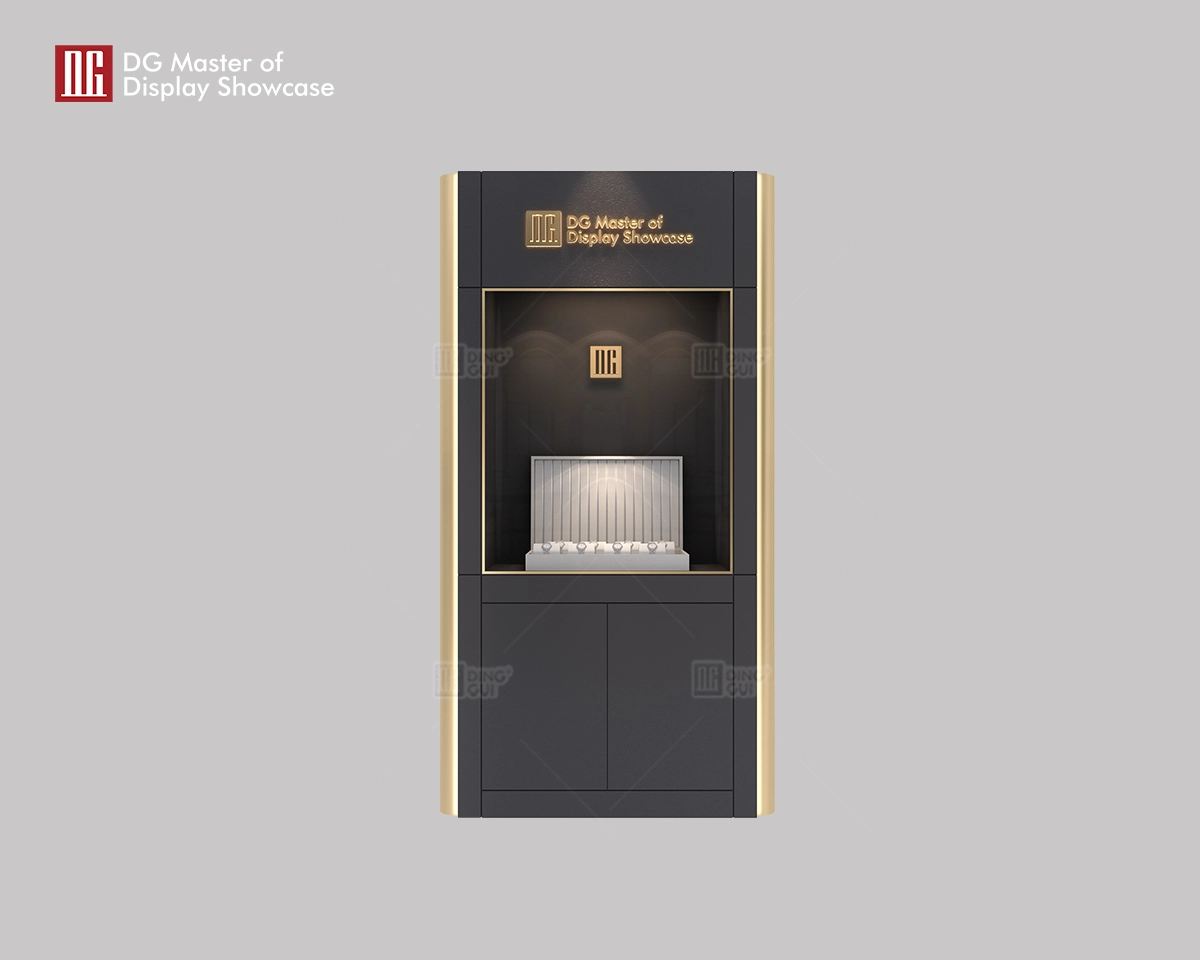
Layout design determines how customers move through a store and which products they actually notice, making it one of the most important considerations for any watch retailer planning their space. DG Furniture has worked with countless retailers to design effective watch store display layouts that genuinely improve the customer shopping experience. This article shares practical tips based on this experience for retailers planning or refreshing their own store layout.
Before selecting individual fixtures, it helps enormously to map out how customers naturally move through the available store space, considering the entrance point, natural walking paths, and areas that tend to attract the most foot traffic. Placing key displays along these natural paths ensures they receive maximum visibility without requiring customers to seek them out deliberately. DG Furniture recommends starting the layout planning process with this kind of customer flow analysis before finalizing specific fixture placement decisions.
A common layout mistake involves either overcrowding a space with too many display cases or leaving so much open space that the store feels sparse and uninviting to browse. Finding the right balance between open, comfortable walking space and sufficient display density to showcase a meaningful collection takes careful planning and often some trial adjustment once fixtures are installed. This balance affects not just aesthetics but also how comfortable customers feel spending time browsing within the store.
Not all watches in a collection carry equal importance to a store's bottom line, and layout design should reflect this by positioning higher-value or higher-margin items in locations that receive the most customer attention. Eye-level placement near the entrance or at natural stopping points along a customer's path tends to work particularly well for these priority items. This kind of strategic positioning helps ensure the most important pieces in a collection receive the visibility they deserve.
Larger stores benefit from creating distinct zones within their layout, perhaps separating luxury pieces from more accessible everyday watches, or organizing displays by brand rather than mixing everything together indiscriminately. This kind of zoning helps customers navigate the store more intuitively, quickly finding the section relevant to their interests and budget. A well-planned watch store display layout supports this zoning through fixture placement and subtle design cues that guide customers naturally between different sections.
Layout planning should not end once fixtures are installed, since observing actual customer behavior often reveals adjustments that can meaningfully improve the shopping experience over time. Retailers who track which displays attract the most attention, and which areas customers tend to skip past, gain valuable information for refining their layout further. DG Furniture encourages this kind of ongoing observation and adjustment, recognizing that the best layouts often evolve gradually based on real-world customer behavior rather than remaining static forever.
Designing an effective watch store display layout requires balancing customer flow, strategic positioning, and thoughtful zoning into a cohesive overall plan rather than making these decisions in isolation. DG Furniture's experience across many different retail environments gives the company valuable insight into what genuinely works for different store sizes and formats. For retailers planning a layout refresh, drawing on this kind of practical, tested experience tends to produce far better results than starting entirely from scratch.