English
 Arabic
 French
 Spanish
 Portuguese
 Deutsch
 Turkish
 Dutch
Dutch
 Italiano
 Russian
 Romaian
 Portuguese (Brazil)
 Greek
Greek
Defense Cybersecurity Market: The New Frontline of Defense Strategy
Other |
2026-08-25 11:11:27
 Advertise With Us
 About Us
 Terms And Conditions
 Política de privacidade
Ver todos
Política de privacidade
Ver todos

Atualizar para Plus
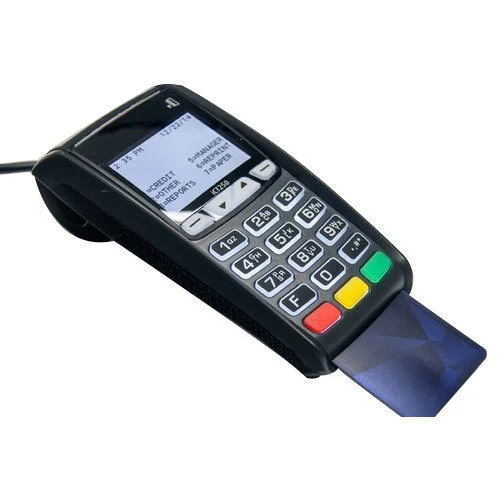
A Point of Sale (POS) machine is a critical component of modern retail and service businesses, enabling seamless transaction processing, sales tracking, and customer management. Traditionally used only for billing and payment acceptance, POS machines have evolved into intelligent systems that integrate hardware, software, and connectivity to support a wide range of business operations. From small retail stores and restaurants to large enterprises, POS machines play a vital role in improving efficiency, accuracy, and customer experience.
At its core, a POS machine allows businesses to accept multiple payment methods, including cash, debit cards, credit cards, mobile wallets, and contactless payments. Modern POS systems are equipped with secure payment processing technologies such as EMV chip readers, NFC, and encryption protocols, ensuring safe and reliable transactions. This flexibility helps businesses cater to diverse customer preferences while reducing checkout times and minimizing payment-related errors.
Beyond payment processing, POS machines serve as a centralized platform for managing sales and inventory. Every transaction recorded through the POS system automatically updates inventory levels, helping businesses track stock availability in real time. This reduces the risk of overstocking or stockouts and supports better demand forecasting. For businesses with multiple outlets, cloud-based POS machines enable centralized monitoring and reporting across locations, improving operational visibility and control.
POS machines also support detailed sales analytics and reporting. Business owners can access insights on daily sales, peak hours, popular products, and customer purchasing behavior. These insights help in making informed decisions related to pricing strategies, promotions, and product placement. By leveraging data-driven insights, businesses can optimize performance, increase profitability, and respond quickly to changing market trends.
Another important advantage of POS machines is their role in enhancing customer experience. Many modern POS systems integrate with customer relationship management (CRM) tools, loyalty programs, and digital receipts. This allows businesses to offer personalized discounts, reward repeat customers, and maintain purchase histories. Faster billing, accurate transactions, and personalized engagement contribute to higher customer satisfaction and stronger brand loyalty.
With the growing adoption of digital payments and e-commerce, POS machines are increasingly integrated with online platforms and accounting systems. This integration ensures seamless synchronization between online and offline sales channels, reducing manual effort and accounting errors. Additionally, mobile POS machines are gaining popularity, especially among small businesses and service providers, as they offer portability, ease of use, and lower setup costs.
POS machines have become much more than simple billing devices. They are comprehensive business management tools that support secure payments, inventory control, analytics, and customer engagement. As technology continues to advance, POS machines will further evolve with features such as artificial intelligence, cloud computing, and advanced data analytics. For businesses aiming to improve efficiency, enhance customer experience, and stay competitive in a digital-first economy, investing in a modern POS machine is no longer optional but essential.