English
 Arabic
 French
 Spanish
 Portuguese
 Deutsch
 Turkish
 Dutch
Dutch
 Italiano
 Russian
 Romaian
 Portuguese (Brazil)
 Greek
Greek
Everything Pakistani Men Should Know About P Shot in Islamabad
Health |
2026-07-20 05:49:16
 Advertise With Us
 About Us
 Terms And Conditions
 Privacy Policy
Mostra tutti i risultati
Privacy Policy
Mostra tutti i risultati

Passa a Pro
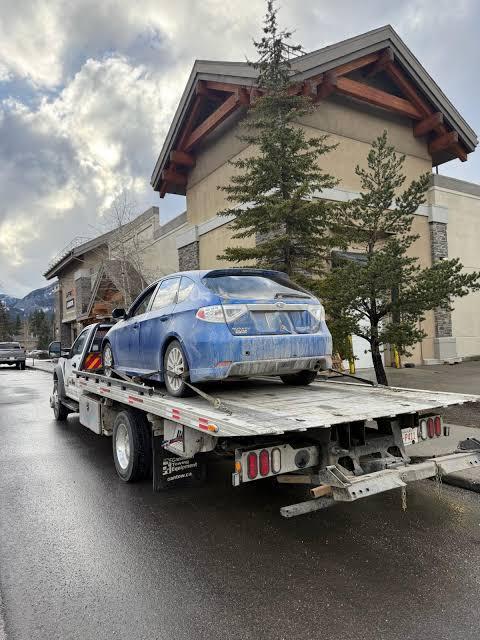
Most people scrap their car when they have to — when it finally dies, when the repair bill becomes absurd, or when the insurance company writes it off. Timing is the last thing on their mind.
But here's what those people leave on the table: scrap car prices aren't static. They move with the seasons, with commodity markets, with construction cycles, and with used car demand patterns. The difference between scrapping in a high-demand month versus a slow one can mean $50 to $200 more in your pocket — sometimes more — for doing absolutely nothing differently except picking up the phone at the right time.
If you have any flexibility at all in when you scrap your vehicle, this article is worth reading before you make that call.
Before the timing tips, you need to understand the "why" — because once you do, the seasonal patterns make complete sense.
Scrap car prices are driven primarily by steel demand. Steel is the dominant material in any vehicle, and scrap steel is a key raw material for steel mills producing new metal. When steel mills are running hard, they consume more scrap. When demand drops, they buy less — and pay less for it.
Steel demand is not constant throughout the year. It follows predictable cycles tied to:
Alongside steel, used car market dynamics play a role. Tax refund season, spring buying patterns, and back-to-school vehicle purchases all influence how aggressively salvage yards compete for donor vehicles with usable parts.
Put these forces together and a clear seasonal pattern emerges.
Spring is consistently the strongest season for scrap car values, and it's not close.
Here's what's happening simultaneously in March through May:
Construction restarts. After a winter slowdown, construction projects across Canada and the northern US kick back into gear. Contractors who paused over winter resume work. New projects break ground. Steel demand spikes as builders stock up on rebar, structural steel, and other construction materials. Steel mills ramp up production and actively seek scrap metal to feed their furnaces. Higher demand, higher prices.
Tax refund season drives used car buying. In Canada and the US, tax refund season peaks in February through April. A significant portion of those refunds go toward vehicle purchases — new and used. Used car demand rises, inventory tightens, and salvage yards that sell parts see increased business. Higher parts demand means yards are willing to pay more for good donor vehicles.
Dealers and private sellers are competing for inventory. Spring is when the used car market heats up after a quiet winter. More buyers means more competition among sellers, and salvage yards feel this pressure too.
The combination of rising steel prices and strong used car market activity makes spring the sweet spot for scrap car sellers. If your car is on its last legs heading into winter, holding it until March or April — if you can manage without it — is often worth the wait.
Second Best: Summer (June to August)
Summer maintains much of the spring momentum. Construction activity is at its peak, steel consumption remains elevated, and the used car market stays active through the summer driving season.
Scrap prices in summer tend to hold steady or stay slightly below the spring peak. The main variable is whether any global disruptions — trade disputes, manufacturing slowdowns, currency shifts — dampen commodity demand. In a normal year, summer is a strong second choice.
One summer-specific factor: academic calendar transitions. Students finishing school and starting new jobs or relocating create a bump in budget vehicle purchases and repairs in June and August. Salvage yards supplying used parts see this demand and factor it into what they'll pay for donor cars.
If spring isn't possible, summer is a very solid window.
Winter is consistently the weakest period for scrap car prices, and the reasons are straightforward.
Construction slows dramatically across most of Canada and the northern US. Projects that depend on poured concrete, ground excavation, and outdoor work simply can't proceed in freezing temperatures. Steel consumption drops. Mills reduce production. Demand for scrap metal falls — and so do the prices yards will pay.
Used car buying slows down. Fewer people shop for vehicles in winter. The used car market gets quieter, parts demand softens, and salvage yards aren't competing as aggressively for donor vehicles.
Road conditions complicate logistics. Towing in winter is more expensive and more difficult. Some yards in northern regions slow their intake during the worst months simply due to operational constraints.
The one exception worth noting: January and February tax season anticipation. Toward the end of winter, as tax refund season approaches, you can sometimes see early upticks in activity. If you're scrapping in winter, late February is generally better than December or January.
Here's an important caveat to the seasonal pattern: commodity market events can override seasonal trends.
Major infrastructure announcements, trade tariffs on imported steel, post-natural disaster reconstruction demand, or global manufacturing surges can push scrap prices higher regardless of the time of year. Conversely, economic slowdowns, recessions, or manufacturing contractions can suppress prices even during normally strong spring months.
This is why checking current scrap metal prices before you call — not just relying on seasonal assumptions — is always worth doing. Free resources like iScrap App, Scrap Monster, and Metal Prices track current scrap metal spot prices and can give you a real-time read on market conditions.
If the market is particularly strong in October due to some global factor, don't wait for spring just because of seasonal convention. Prices are prices — current conditions matter more than general patterns when the two diverge.
Watch the news for infrastructure announcements. Government infrastructure spending programs drive steel demand. When a major highway or transit project gets announced and funded, steel and scrap prices often move up in anticipation. This is a real signal worth paying attention to.
Get quotes from multiple buyers on the same day. Seasonal and market conditions affect all buyers simultaneously, so this is less about finding a timing edge within a day and more about finding which yard is paying the best rate right now. Prices between yards can vary meaningfully even on the same day.
Don't sit on a deteriorating car waiting for "perfect" timing. A car that sits through another winter accumulates more rust, more fluid degradation, and more component deterioration. The seasonal premium you might gain in spring could easily be offset by the reduced offer for a car in worse condition. If it needs to go, don't wait too long.
Call on weekdays, not weekends. This one surprises people — but many scrap yards are busier on weekends and their tow truck availability and quote attention is lower. Calling Tuesday through Thursday often gets you more focused service and sometimes more competitive pricing.
Mention competing quotes. If you've called multiple yards, telling each one you have a competing offer creates price competition. Yards that want the vehicle will often sharpen their pencil to win the business. A $50 to $100 improvement from a simple phone call is not unusual.
Timing your scrap car sale isn't about obsessing over the perfect moment — it's about understanding the forces that move prices and making a smart decision with that knowledge.
If you have flexibility, aim for spring. If you don't, get multiple quotes, check current commodity prices, and negotiate. The difference between an informed seller and an uninformed one is real money for doing exactly the same thing.
Your car has value. Make sure you're getting the most of it.