English
 Arabic
 French
 Spanish
 Portuguese
 Deutsch
 Turkish
 Dutch
Dutch
 Italiano
 Russian
 Romaian
 Portuguese (Brazil)
 Greek
Greek
ASEAN Hemodialysis Equipment Market Forecast Highlights Emerging Opportunities
Party |
2026-06-03 12:43:07
 Advertise With Us
 About Us
 Terms And Conditions
 سياسة الخصوصية
عرض كل النتائج
سياسة الخصوصية
عرض كل النتائج

ترقية الحساب
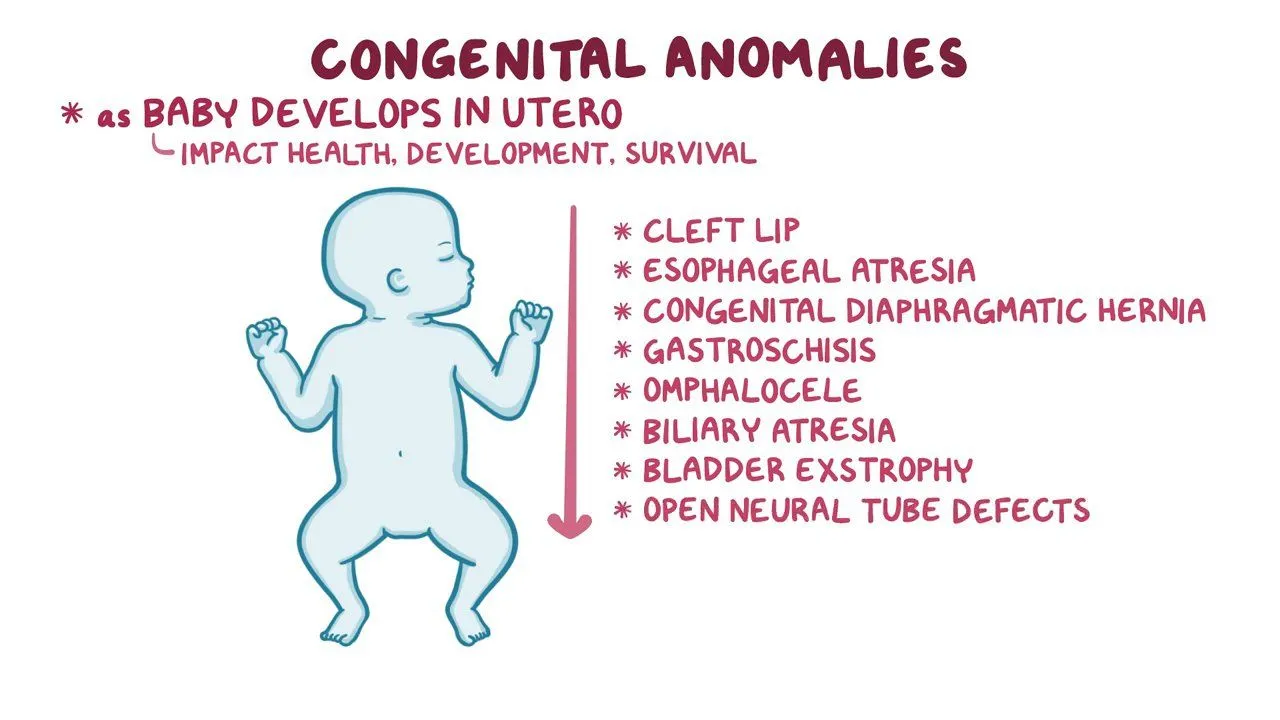
In Riyadh, telemedicine has evolved from a supplementary tool into a core component of the healthcare infrastructure. For children with congenital anomalies riyadh this digital transformation is bridging the gap between highly specialized tertiary care and the daily needs of families, particularly in terms of access, coordination, and continuity of care.
The integration of telemedicine into pediatric practice in Riyadh is supported by national digital health strategies (under Vision 2030) and specialized hospital initiatives.
Centralized National Platforms: The Ministry of Health (MOH) has spearheaded national platforms like Sehhaty and Seha, which facilitate virtual consultations and appointment management. These platforms are increasingly being tailored to include specific pathways for maternal and child health, allowing parents to consult with specialists regarding developmental concerns or congenital conditions.
Tertiary Virtual Clinics: Major hospitals, such as the King Faisal Specialist Hospital & Research Centre (KFSH&RC), have integrated "Virtual Clinics" into their pediatric departments. These clinics allow for the remote management of complex cases, reducing the need for frequent physical visits for stable patients while ensuring that expert oversight remains constant.
Professional Consultation Networks: Beyond patient-facing services, platforms like Anat enable seamless communication between healthcare practitioners. This allows primary care doctors in peripheral centers to consult directly with subspecialists at tertiary hubs in Riyadh, ensuring that infants with suspected anomalies receive expert guidance on diagnostic and stabilization steps without immediate transfer.
Telemedicine is transforming the "care journey" for congenital conditions in several specific ways:
Remote Monitoring and Follow-up: For children with chronic anomalies (e.g., those requiring ongoing respiratory or cardiac support), telemedicine is used for routine follow-up. This minimizes the logistical and financial strain on families and helps keep children in the familiar environment of their homes, which is often preferable for long-term health.
Multidisciplinary Case Coordination: Virtual care allows multidisciplinary teams—comprising pediatric surgeons, cardiologists, and geneticists—to convene virtually to review a child’s progress. This ensures that the care plan is updated consistently without requiring the family to navigate multiple, separate appointments.
Rapid Diagnostic Support: As seen in pilot applications of "tele-echo" and similar diagnostic links, telemedicine allows for the remote transmission of imaging data for expert interpretation. This ensures that a child's anomaly is accurately diagnosed or ruled out within hours of presentation, guiding the decision on whether transfer to a tertiary facility is necessary.
While the Riyadh healthcare network has made significant progress, ongoing efforts are focused on refining the virtual experience:
Quality of Remote Diagnostics: A key priority is ensuring that remote imaging (like ultrasound or echocardiography) meets the same diagnostic standard as in-person examinations, through strict technical protocols and high-resolution data transmission.
Family Literacy and Access: Public health authorities are working to ensure that these platforms are accessible and user-friendly for all families, regardless of their technological literacy. This includes the development of clear educational materials on how to use virtual services for specific congenital conditions.
Data Integration: The long-term objective is to achieve full integration with the electronic health record (EHR) systems across all hospitals, ensuring that a virtual consultation in a private or secondary facility is immediately accessible to the tertiary team that manages the child's long-term care.
The future of telemedicine for congenital anomalies in Riyadh is shifting toward a "hybrid" model. This approach combines the high-tech, centralized expertise of the capital’s flagship hospitals with the convenience of virtual monitoring. As AI-powered decision support tools and predictive analytics become more common within these platforms, the system is moving toward a more proactive model—where clinicians can identify potential complications early and intervene virtually before a situation becomes critical.
Would you like to explore how specific digital health applications (such as Sehhaty or Seha) can be utilized to access pediatric subspecialists, or perhaps discuss the protocols for remote consultation in emergency neonatal situations?