English
 Arabic
 French
 Spanish
 Portuguese
 Deutsch
 Turkish
 Dutch
Dutch
 Italiano
 Russian
 Romaian
 Portuguese (Brazil)
 Greek
Greek
FYP Worthy Under the Iron Sky by A.T. Emerald
Party |
2026-07-06 04:19:27
 Advertise With Us
 About Us
 Terms And Conditions
 Privacy Policy
TOON ALLES
Privacy Policy
TOON ALLES

Upgrade to Pro
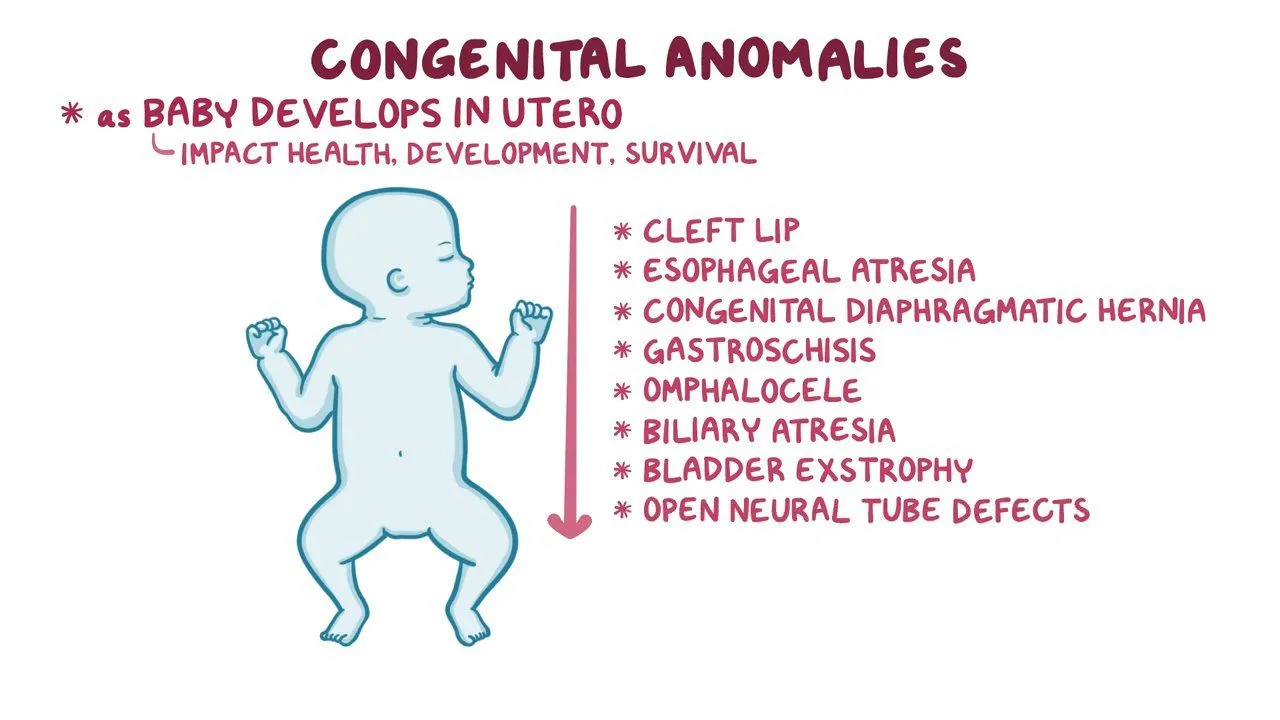
The longitudinal analysis of neonatal health reveals that Congenital Anomalies in Riyadh have become a defining focus for the region's healthcare infrastructure. Over the past several decades, the observed prevalence of these conditions has undergone significant shifts, largely driven by the evolution of diagnostic technology, changes in demographic patterns, and the centralization of pediatric care. While the core incidence of structural abnormalities remains influenced by inherent genetic and social factors, the way these defects are captured, reported, and managed has transformed, resulting in a more detailed, albeit complex, statistical landscape that reflects a modern, specialized healthcare system.
A retrospective look at prevalence statistics in Riyadh shows an upward trend in reported cases of birth defects, a phenomenon that is frequently discussed within the context of "improved ascertainment." In the early 2000s, surveillance was often restricted to descriptive, manual logs within general hospitals. As Riyadh’s medical infrastructure matured, the implementation of standardized prenatal screening, high-resolution ultrasound, and systematic electronic health records has significantly enhanced the ability to detect minor and major anomalies early in gestation. Consequently, the apparent rise in prevalence—often cited in the range of 40 to 50 per 1,000 live births in specialized centers—is less a reflection of a sudden surge in defect occurrences and more a byproduct of superior diagnostic precision and the consolidation of complex cases into tertiary referral hubs.
Temporal studies consistently highlight that the demographic fabric of the city remains the most persistent driver of anomaly prevalence. Consanguineous marriage, a deeply established tradition in the region, continues to play a significant role in the incidence of recessive genetic disorders. Longitudinal data suggests that while the rates of such marriages remain high, the medical community’s response has shifted toward robust, integrated genetic counseling and pre-conception screening. Additionally, shifts in maternal health profiles—such as the increasing average maternal age at the time of delivery and the prevalence of metabolic conditions like gestational diabetes—have influenced the types of anomalies observed over time. These trends necessitate a proactive public health approach, focusing on managing modifiable risks during the prenatal period.
The focus of clinical care has evolved in tandem with these statistical trends. Twenty years ago, the management of congenital anomalies was largely reactive, with interventions occurring postnatally, often in emergency or acute settings. Today, the standard of care in Riyadh’s tertiary centers is highly proactive. The integration of maternal-fetal medicine allows for the prenatal identification of complex conditions, enabling multidisciplinary teams of neonatologists, surgeons, and cardiologists to plan definitive interventions before the infant is even born. This temporal shift toward "seamless care" has significantly reduced neonatal mortality and improved the long-term functional outcomes for children born with structural heart defects, neural tube defects, and other major malformations.
A significant challenge in interpreting temporal data in Riyadh is the "referral bias" created by the city’s role as the Kingdom’s primary destination for high-end pediatric surgery. Because Riyadh hosts several major tertiary care hospitals, it disproportionately attracts the most complex and severe cases from across the entire country. This concentration makes it difficult to draw purely "local" temporal conclusions, as the statistics are often skewed by the arrival of patients from outside the city limits. Moving forward, the objective of the healthcare system is to establish a unified, population-based registry that transcends hospital-level data. Such a system would provide a more accurate, longitudinal view of congenital anomaly trends, allowing health authorities to differentiate between local prevalence and the influx of cases from regional satellite centers.
As Riyadh continues to refine its surveillance strategies, the focus is increasingly on the intersection of genomics and public health. The next generation of research aims to utilize longitudinal data to better understand the interplay between environmental factors, genetic predispositions, and clinical outcomes. By leveraging advanced data analytics, the medical community is working to identify specific geographic or demographic hotspots where preventive education—such as folic acid supplementation or targeted genetic screening—could have the greatest impact. Through this commitment to evidence-based surveillance, the city aims to stabilize the incidence of preventable birth defects and continue to lead the region in the delivery of world-class neonatal surgical care.
The temporal variations in the prevalence of birth defects in Riyadh reflect a system in constant advancement. While the statistical burden of anomalies remains a significant health priority, the city’s ability to detect, manage, and treat these conditions has reached a level of sophistication that was not possible a decade ago. By viewing these changes through the lens of improved diagnostics, changing social demographics, and a more robust, multidisciplinary care structure, researchers can better appreciate the progress made in pediatric outcomes. The ongoing challenge remains to integrate these findings into a cohesive, region-wide surveillance framework that ensures every family has access to the best available information and the highest standard of neonatal support.