English
 Arabic
 French
 Spanish
 Portuguese
 Deutsch
 Turkish
 Dutch
Dutch
 Italiano
 Russian
 Romaian
 Portuguese (Brazil)
 Greek
Greek
FYP Worthy The Next Conversation: Argue Less, Talk More by Jefferson Fisher
Travel |
2026-06-11 06:38:44
 Advertise With Us
 About Us
 Terms And Conditions
 Политика конфиденциальности
Смотреть все
Политика конфиденциальности
Смотреть все

Обновить до Про
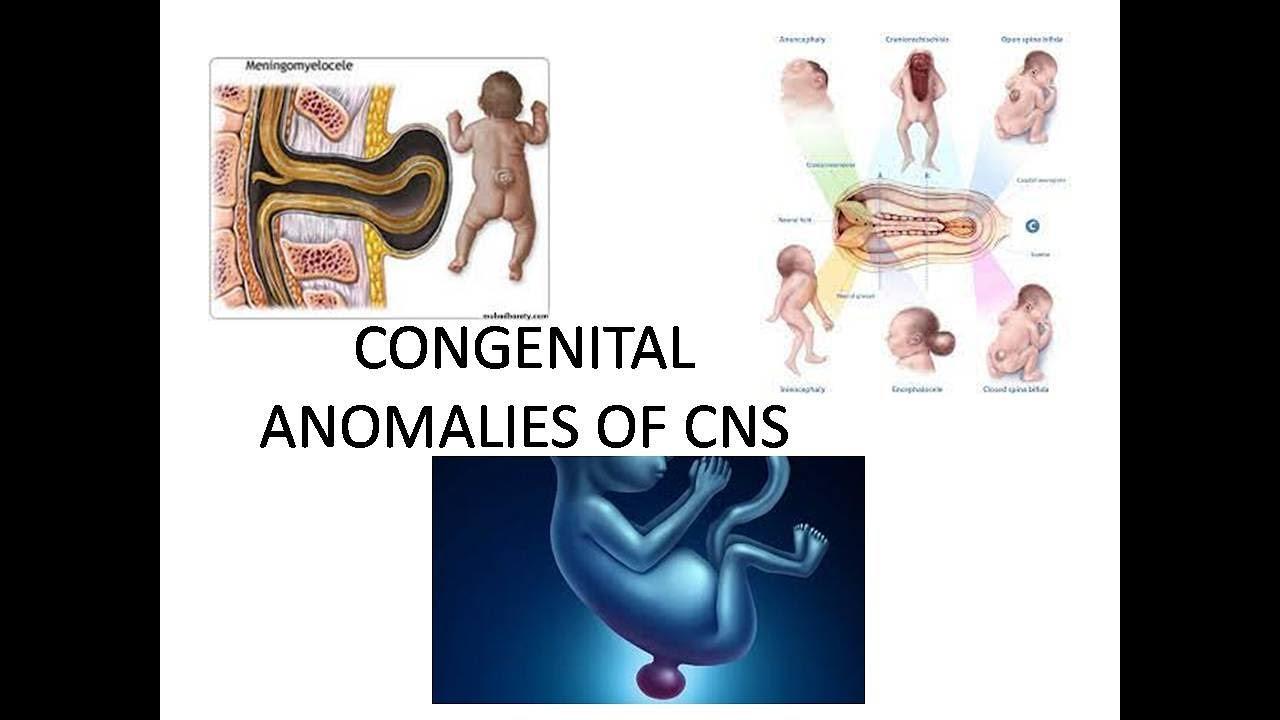
The systematic mapping of structural birth defects serves as a foundational element of public health policy, and current data indicates that Congenital Anomalies in Riyadh constitute a significant and nuanced epidemiological challenge. As the capital city of Saudi Arabia, Riyadh serves as a primary center for advanced neonatal and pediatric care, drawing complex cases from across the kingdom. This unique role complicates the creation of a strictly regional epidemiological map, as hospital-based data often reflects a high concentration of high-risk referrals rather than a purely localized incidence. Nevertheless, ongoing research provides a clear picture of the prevalence, distribution, and critical factors contributing to structural anomalies, highlighting the intersection of genetic predisposition, maternal health, and environmental influences in the modern urban landscape.
Epidemiological studies focused on the Riyadh region have consistently reported higher-than-average prevalence rates of congenital anomalies compared to many international benchmarks. While the global prevalence of birth defects is often cited in the range of 20 to 30 per 1,000 births, institutional reports from Riyadh’s major tertiary care centers have periodically identified prevalence figures ranging significantly higher, sometimes exceeding 40 per 1,000 live births. This statistical variance is largely attributed to the nature of tertiary referral centers, which are equipped to manage the most complex and severe congenital conditions. Consequently, the "mapping" of these defects is heavily influenced by where patients are treated. Efforts to transition toward population-based registries, rather than facility-based data, remain a priority for health authorities to gain a more accurate, community-wide understanding of these conditions.
The structural mapping of birth defects in Riyadh reveals a consistent pattern in which organ systems are most affected. Cardiovascular anomalies are widely identified as the most frequent category, encompassing conditions such as ventricular septal defects and other complex heart malformations. Following cardiovascular issues, genitourinary defects—with a notable predominance of hydronephrosis—and central nervous system (CNS) anomalies, such as neural tube defects (NTDs), occupy a significant portion of clinical records. Craniofacial anomalies, particularly non-syndromic cleft lip and palate, also form a notable part of the epidemiological profile. These patterns provide essential guidance for health infrastructure, dictating the necessary allocation of resources for specialized neonatal intensive care units (NICUs) and pediatric surgical subspecialties.
A central pillar in the epidemiology of birth defects in the region is the high rate of consanguinity. Studies have consistently demonstrated that marriage between close relatives, which remains a prevalent social practice, significantly correlates with an increased incidence of recessive genetic disorders. This is a critical factor in the "mapping" of these conditions, as it accounts for a substantial proportion of hereditary anomalies that might be less prevalent in populations with different social and marriage patterns. While public health awareness campaigns have increasingly focused on the importance of genetic counseling and pre-conception screening, the high rate of consanguinity continues to be a defining characteristic of the epidemiological landscape, necessitating integrated genetic testing services across all stages of prenatal care.
Beyond genetic factors, the mapping of structural anomalies incorporates critical maternal health markers. Research in Riyadh has highlighted the significant influence of maternal chronic conditions—most notably diabetes—as well as nutritional status and maternal age at conception. There is strong evidence linking adequate periconceptional folic acid supplementation to a reduction in the incidence of neural tube defects. Furthermore, observations regarding maternal exposure to environmental factors, as well as the impact of advanced maternal and paternal age, are consistently factored into risk assessments. Clinical guidelines in Riyadh now emphasize comprehensive antenatal screening and the management of these modifiable risks as primary preventive strategies to lower the incidence of avoidable structural birth defects.
The epidemiological mapping of birth defects in Riyadh is bolstered by a significant evolution in diagnostic technology. The widespread availability of high-resolution prenatal ultrasound, combined with standardized fetal medicine protocols, has fundamentally changed how these anomalies are detected and recorded. Early diagnosis—often in the second or early third trimester—allows for timely parental counseling and the planning of specialized neonatal care before birth. As surveillance systems move toward more integrated, electronic registry models, the ability to track these anomalies in real-time is improving. This digital infrastructure is crucial for identifying emerging trends, evaluating the success of public health interventions, and ensuring that the distribution of healthcare services aligns with the actual clinical needs of the population.
As Riyadh continues to expand its medical capacity, the future of epidemiological research lies in the development of a more robust, city-wide surveillance system that integrates data from primary, secondary, and tertiary care providers. By establishing a unified registry, the healthcare system can move beyond the limitations of hospital-based statistics to develop a truly representative epidemiological map. This will allow for more targeted public health interventions, enhanced genetic counseling accessibility, and a more sophisticated understanding of the interaction between regional environmental factors and genetic predispositions. Through the continued commitment to data-driven healthcare, the city is steadily improving its capacity to not only manage the prevalence of structural birth defects but also to drive down their incidence through evidence-based prevention.