English
 Arabic
 French
 Spanish
 Portuguese
 Deutsch
 Turkish
 Dutch
Dutch
 Italiano
 Russian
 Romaian
 Portuguese (Brazil)
 Greek
Greek
Unpacking the Dominant Technological and Business Field Service Management Market Trends
Other |
2026-06-11 07:04:57
 Advertise With Us
 About Us
 Terms And Conditions
 Datenschutzbestimmungen
Alle anzeigen
Datenschutzbestimmungen
Alle anzeigen

Upgrade auf Pro
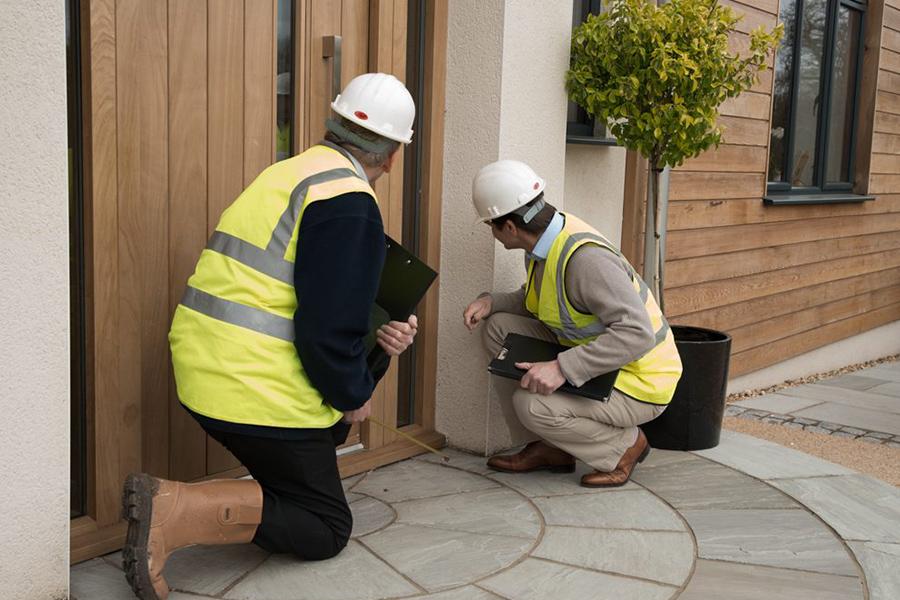
Property inspection is one of the most important steps in any real estate transaction. Whether you are buying a new home, selling your property, investing in commercial real estate, or managing a rental property, a professional inspection helps you understand the true condition of the building before making any major financial decision. It identifies hidden defects, safety hazards, maintenance issues, and structural problems that may not be visible during a regular walkthrough. Spending a small amount on a property inspection today can save you thousands of dollars in unexpected repair costs in the future.
A property inspection is a comprehensive visual assessment of a property's physical condition performed by a qualified inspector. The inspector carefully examines the major structural components and systems of the building, including the roof, foundation, walls, ceilings, plumbing, electrical system, HVAC equipment, doors, windows, insulation, drainage, and other essential features. After completing the inspection, the inspector prepares a detailed report that outlines any defects, maintenance concerns, safety issues, and recommendations for repairs. This report helps buyers, sellers, landlords, and property owners make informed decisions.
Property inspection plays a vital role in protecting your investment. Buying or selling a property without an inspection can expose you to costly surprises that may only become apparent after the transaction is complete. For buyers, an inspection provides peace of mind by revealing hidden problems and giving them the opportunity to negotiate repairs or adjust the purchase price. Sellers can use a pre-listing inspection to identify and fix issues before putting the property on the market, making the home more attractive to potential buyers. Landlords benefit from regular inspections by ensuring rental properties remain safe, well-maintained, and compliant with local regulations.
There are several types of property inspections depending on the purpose of the property. Residential property inspections focus on houses, apartments, and condominiums, evaluating their overall condition before purchase or sale. Commercial property inspections are more detailed because they assess larger buildings, offices, warehouses, and retail spaces while considering building systems, fire safety, accessibility, and operational risks. Rental property inspections are typically conducted before tenants move in, during tenancy, and after move-out to document the property's condition. New construction inspections ensure that newly built homes meet quality standards and building codes before the owner takes possession.
During a professional property inspection, the inspector evaluates nearly every accessible part of the building. The exterior inspection includes the roof, gutters, siding, foundation, driveway, drainage system, windows, doors, fences, decks, and landscaping. Inside the property, the inspector examines walls, ceilings, flooring, stairs, kitchens, bathrooms, appliances, and storage areas. The plumbing system is checked for leaks, water pressure, drainage, pipe condition, and water heater performance. Electrical inspections include the electrical panel, wiring, outlets, switches, circuit breakers, and safety devices. Heating, ventilation, and air conditioning systems are also inspected to ensure they are functioning efficiently. Additionally, inspectors often look for moisture damage, mold, pest infestations, wood rot, and structural movement that may affect the property's long-term safety and value.
The inspection process usually begins by scheduling an appointment with a certified property inspector. On the inspection day, the inspector performs a detailed examination of both the interior and exterior of the property, documenting observations with notes and photographs. Depending on the property's size and condition, the inspection generally takes between two and four hours for a typical residential home, while larger commercial buildings may require additional time. After completing the inspection, the inspector prepares a comprehensive report that highlights defects, maintenance recommendations, safety concerns, and repair priorities. Buyers and sellers can then use this report to negotiate repairs or make informed decisions regarding the transaction.
Property inspections frequently uncover issues that may not be visible during a casual visit. Some of the most common problems include roof leaks, damaged shingles, foundation cracks, plumbing leaks, outdated electrical wiring, faulty HVAC systems, poor insulation, mold growth, termite damage, drainage issues, and water intrusion. In older homes, inspectors may also identify deteriorating building materials, outdated plumbing systems, or structural wear caused by years of use. Detecting these problems early allows property owners to address them before they become more serious and expensive.
The cost of a property inspection varies depending on several factors, including the property's size, age, location, and type. A standard residential property inspection generally costs between $300 and $700, while apartments may cost slightly less. Luxury homes and large commercial buildings often require more extensive inspections and therefore cost significantly more. Additional specialized inspections, such as mold testing, termite inspections, sewer line inspections, radon testing, or pool inspections, may involve separate fees. Although these costs may seem like an added expense, they are minor compared to the potential cost of repairing hidden structural or mechanical issues.
A professional property inspection offers numerous benefits for everyone involved in a real estate transaction. Buyers gain confidence in their investment by understanding the property's actual condition before closing the deal. Sellers can increase buyer trust and reduce delays by addressing issues before listing the property. Landlords can maintain rental properties more effectively while documenting their condition to prevent disputes with tenants. Homeowners also benefit from routine inspections by identifying maintenance needs early, extending the lifespan of major building systems, improving safety, and preserving property value.
Preparing a property for inspection can help ensure a smooth and efficient evaluation. Property owners should provide clear access to all rooms, the attic, basement, electrical panel, water heater, HVAC equipment, and crawl spaces. Replacing burnt-out light bulbs, testing smoke detectors, trimming overgrown landscaping, cleaning gutters, securing pets, and organizing maintenance records can also make the inspection process easier. While inspectors do not expect a perfect property, making minor repairs beforehand can create a more accurate assessment of the property's condition.
A property inspection is much more than a routine step in buying or selling real estate—it is an essential investment that protects your financial interests and helps you make confident decisions. By identifying hidden defects, evaluating the condition of major building systems, and providing expert recommendations, a professional inspection minimizes risk and prevents costly surprises. Whether you are purchasing your dream home, selling an existing property, managing rental units, or investing in commercial real estate, a thorough property inspection provides valuable insights that can save money, improve safety, and preserve your property's long-term value. Investing in a qualified property inspection today can help you avoid significant problems tomorrow, making it one of the smartest decisions in any real estate journey.