English
 Arabic
 French
 Spanish
 Portuguese
 Deutsch
 Turkish
 Dutch
Dutch
 Italiano
 Russian
 Romaian
 Portuguese (Brazil)
 Greek
Greek
The Growing Demand for Endolift in Riyadh Among Aesthetic Patients
Health |
2026-06-22 07:04:54
 Advertise With Us
 About Us
 Terms And Conditions
 Datenschutzbestimmungen
Alle anzeigen
Datenschutzbestimmungen
Alle anzeigen

Upgrade auf Pro
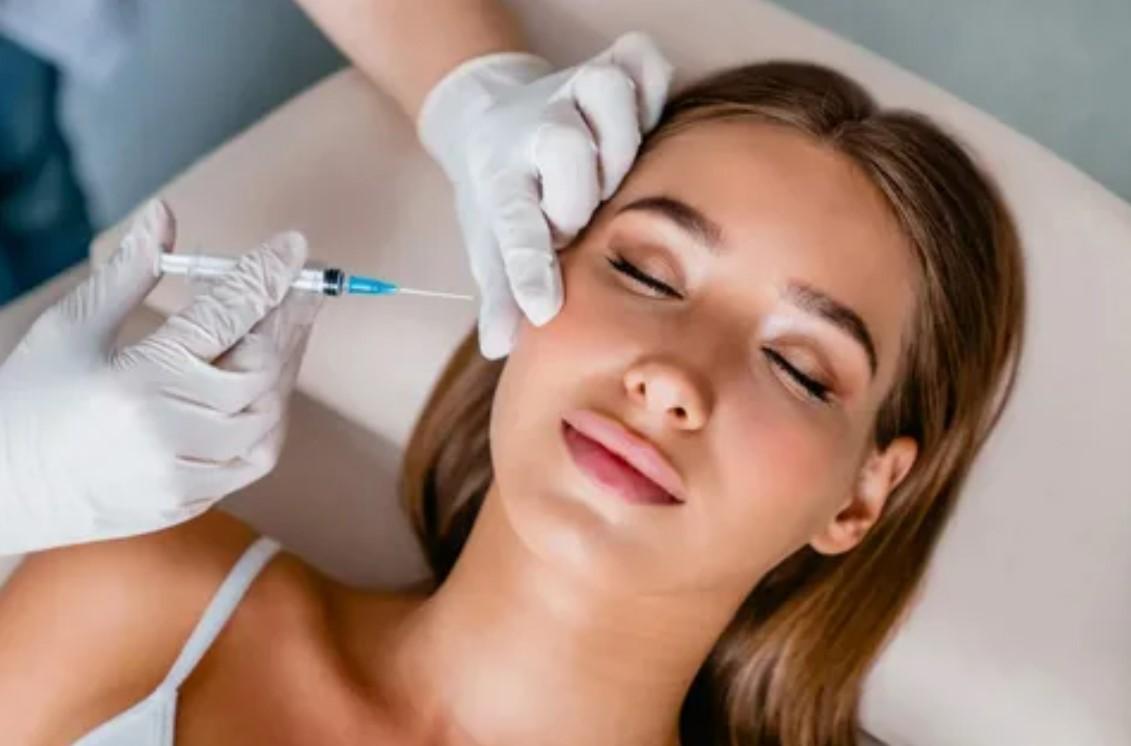
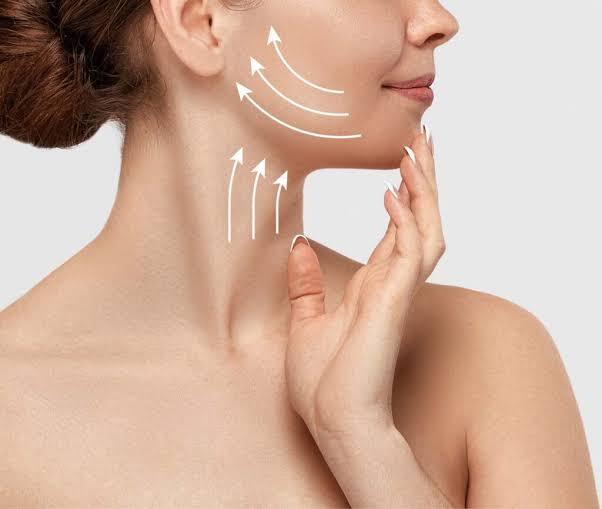
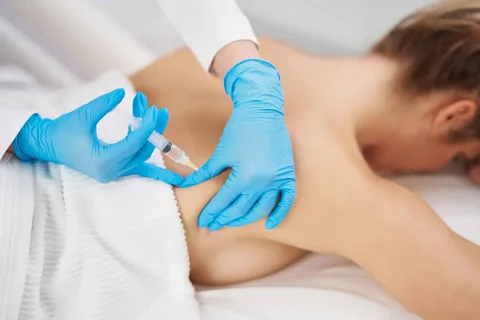
Botox injections are among the most widely used cosmetic and medical treatments in the world, yet they are also surrounded by many misconceptions. These misunderstandings often come from social media exaggerations, outdated information, or fear of injectable treatments. As a result, many people either avoid Botox unnecessarily or have unrealistic expectations about it. Botox injection in Riyadh is a popular non-surgical treatment used to reduce wrinkles and fine lines while enhancing a more youthful appearance.
In reality, Botox is a medically approved, carefully controlled treatment that has been used safely for decades when administered by qualified professionals. This article clears up the most common myths and explains the facts behind Botox injections.
One of the most common fears is that Botox will make the face look “frozen” or expressionless.
Botox relaxes specific muscles, but it does not completely paralyze the entire face when used correctly. The goal is to reduce excessive movement, not eliminate expression.
A well-performed Botox treatment should:
The “frozen face” look is usually the result of overuse or incorrect injection technique, not Botox itself.
Many people assume Botox is unsafe because it is derived from botulinum toxin.
While botulinum toxin is a powerful substance in large amounts, Botox used in medical and cosmetic treatments is:
It has been approved by major health authorities worldwide for both cosmetic and medical use. When performed by trained professionals, Botox is considered very safe.
Another common belief is that Botox is only suitable for people in their 40s or 50s.
Botox is used by a wide age range of adults, including people in their 20s and 30s.
In fact, many younger patients use Botox for:
This preventive approach is often called “preventive Botox,” where small doses are used before deep wrinkles form.
Some people believe Botox provides permanent results.
Botox is temporary. Its effects gradually wear off as nerve endings recover.
Typical duration:
After this period, muscle activity slowly returns, and repeat treatment is needed.
Fear of pain is a major reason people avoid Botox.
Botox injections are generally very tolerable. Most people describe the sensation as:
The needles used are extremely fine, and the discomfort usually lasts only a few seconds per injection. For most patients, it is far less painful than expected.
Many people confuse Botox with dermal fillers, assuming they do the same thing.
They are completely different treatments.
They are often used together but serve different purposes.
Some believe Botox is physically addictive.
Botox is not chemically addictive. It does not create dependency in the body.
However, people may choose to repeat treatments because:
This is a cosmetic preference, not addiction.
There is concern that repeated Botox use may harm the body over time.
Long-term studies and decades of medical use show that Botox is safe when used appropriately. Many patients have received regular treatments for years without serious long-term side effects.
In fact, long-term use may:
Many people think Botox is only used for beauty treatments.
Botox has many important medical applications, including:
Its medical use is well-established and often covered in clinical practice worldwide.
Some expect Botox to work instantly after injection.
Botox takes time to work.
Typical timeline:
This gradual process is normal and expected.
There is a belief that Botox is a “women’s treatment.”
A growing number of men use Botox for both cosmetic and medical reasons. Male patients often seek treatment for:
The treatment is equally effective regardless of gender, though dosing may differ due to muscle strength.
Some believe Botox eliminates the need for skincare routines.
Botox treats muscle activity beneath the skin, but it does not improve skin texture, hydration, or sun damage.
A complete approach includes:
Botox works best as part of an overall skincare strategy, not as a replacement.
Botox injections are often misunderstood due to myths and misinformation. In reality, Botox is a safe, well-researched, and highly effective treatment for both cosmetic and medical conditions when performed by qualified professionals.
Common misconceptions—such as permanent results, extreme pain, or facial freezing—are not accurate when the procedure is done correctly. Instead, Botox offers subtle, natural-looking improvements with temporary and controllable effects.