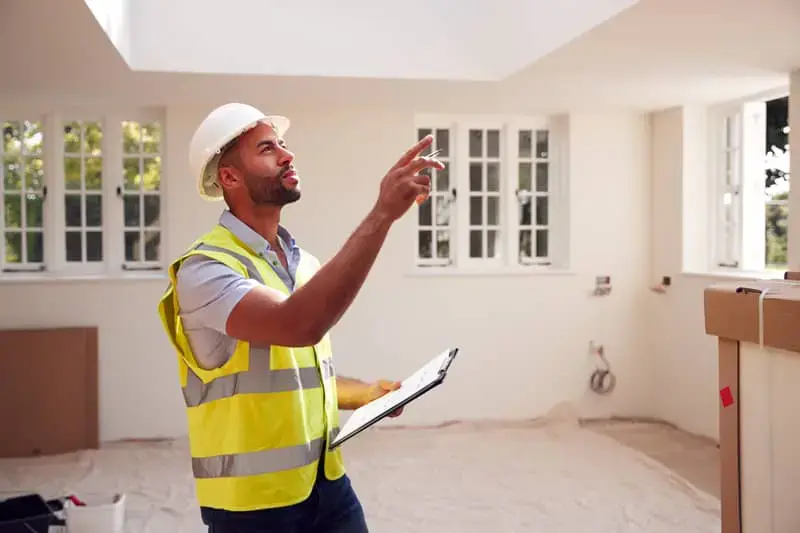
Property inspection is one of the most important steps in buying, selling, renting, or maintaining any residential or commercial property. Whether you are a homeowner, real estate investor, landlord, tenant, or homebuyer, a professional property inspection helps identify existing issues, prevent future problems, and ensure that the property's condition meets safety and quality standards. A thorough inspection can save thousands of dollars in unexpected repairs while providing peace of mind during real estate transactions.
What Is Property Inspection?
A property inspection is a comprehensive evaluation of a property's physical condition conducted by a qualified inspector. During the inspection, professionals examine structural components, electrical systems, plumbing, roofing, HVAC systems, insulation, windows, doors, flooring, and other essential features. The goal is to identify defects, maintenance concerns, safety hazards, and potential repair costs before a purchase, sale, lease, or renovation.
Unlike a property appraisal, which determines market value, a property inspection focuses entirely on the property's condition and functionality. The inspection report provides buyers, sellers, and property owners with a detailed understanding of the property's strengths and weaknesses.
Why Is Property Inspection Important?
Property inspections play a crucial role in protecting both buyers and sellers. For buyers, inspections reveal hidden problems that may not be visible during a walkthrough. This information helps negotiate repairs or adjust the purchase price before closing the deal. Sellers also benefit because identifying issues early allows them to fix problems before listing the property, reducing the chances of delayed transactions.
Property inspections also improve safety by detecting faulty electrical wiring, gas leaks, mold growth, foundation damage, water intrusion, pest infestations, and roofing issues. Addressing these concerns early minimizes health risks and prevents expensive future repairs.
Types of Property Inspection
Different situations require different types of property inspections. A pre-purchase inspection evaluates a home before buying. A pre-listing inspection helps sellers prepare their property for the market. Rental property inspections document the condition before and after tenant occupancy. Commercial property inspections assess office buildings, warehouses, retail stores, and industrial facilities.
Additional specialized inspections include roof inspections, plumbing inspections, HVAC inspections, foundation inspections, electrical inspections, mold inspections, termite inspections, asbestos inspections, lead paint inspections, and energy efficiency assessments. Each inspection focuses on a specific aspect of the property to ensure complete evaluation.
What Does a Property Inspector Check?
A professional property inspector carefully examines every accessible area of the property. The structural inspection includes foundations, walls, ceilings, beams, columns, staircases, and support systems. Roofing inspections evaluate shingles, flashing, gutters, drainage systems, and roof ventilation.
Electrical inspections review wiring, circuit breakers, electrical panels, switches, outlets, smoke detectors, and grounding systems. Plumbing inspections cover water supply lines, drainage systems, water heaters, faucets, toilets, sinks, and leak detection.
HVAC inspections assess heating, cooling, ventilation, thermostats, ductwork, filters, and system performance. Inspectors also evaluate insulation, windows, doors, flooring, interior finishes, exterior walls, garages, driveways, fences, decks, balconies, and landscaping for potential maintenance concerns.
Property Inspection Process
The property inspection process begins with scheduling an appointment between the inspector and property owner or real estate agent. During the site visit, the inspector performs a visual examination of accessible areas while documenting observations with notes and photographs. Advanced tools such as moisture meters, thermal imaging cameras, electrical testers, and drones may also be used for more accurate assessments.
After completing the inspection, the inspector prepares a detailed report outlining observed defects, recommended repairs, maintenance priorities, safety hazards, estimated severity, and supporting images. Buyers and sellers then review the report to negotiate repairs or make informed purchasing decisions.
Benefits of Professional Property Inspection
Hiring a certified property inspector offers numerous advantages. Buyers gain confidence before investing in real estate, while sellers reduce the likelihood of surprises during negotiations. Investors can estimate future maintenance costs and evaluate return on investment more accurately.
Property inspections also improve insurance claims, assist mortgage approvals, support legal documentation, enhance tenant satisfaction, and help property managers create preventive maintenance plans. Identifying issues early extends the property's lifespan while reducing repair expenses over time.
Common Problems Found During Property Inspections
Many inspections uncover hidden issues that may significantly impact property value. Common findings include roof leaks, cracked foundations, poor drainage, water damage, plumbing leaks, outdated electrical wiring, overloaded circuits, faulty HVAC systems, mold growth, pest infestations, termite damage, deteriorating insulation, damaged windows, broken seals, unsafe staircases, structural movement, peeling paint, wood rot, and poor ventilation.
Minor cosmetic issues are generally less concerning than major structural or safety defects. Understanding the severity of each finding helps buyers prioritize repairs and negotiate effectively.
How Much Does a Property Inspection Cost?
The cost of a property inspection varies depending on property size, location, inspection type, and additional services requested. Residential home inspections generally cost less than commercial property inspections because commercial buildings require more extensive evaluations. Specialized inspections such as mold testing, sewer camera inspections, roof certifications, termite inspections, and radon testing may involve additional fees. Although inspections require an upfront investment, they often save property owners substantial repair costs by identifying hidden problems early.
How to Prepare for a Property Inspection
Preparing the property before an inspection ensures accurate results and a smoother evaluation process. Property owners should provide easy access to electrical panels, HVAC equipment, water heaters, attics, basements, crawl spaces, and garages. Replacing burned-out light bulbs, fixing minor leaks, clearing storage areas, cleaning mechanical equipment, and organizing maintenance records can help inspectors perform a more efficient assessment.
Sellers should also ensure utilities remain connected during the inspection so all systems can be tested properly. A clean, accessible property allows inspectors to identify issues more effectively.
How to Choose the Right Property Inspector
Selecting a qualified property inspector is essential for obtaining a reliable inspection report. Look for licensed and certified inspectors with extensive industry experience, positive customer reviews, professional insurance coverage, and detailed reporting practices. Ask about inspection procedures, sample reports, turnaround times, certifications, and specialized expertise before hiring.
A reputable inspector explains findings clearly, answers questions honestly, and provides unbiased recommendations without offering repair services that could create conflicts of interest.
Property Inspection Checklist
A complete property inspection checklist typically includes the foundation, roof, attic, ceilings, walls, floors, doors, windows, insulation, plumbing systems, electrical systems, HVAC equipment, drainage, gutters, siding, garage, driveway, landscaping, fencing, appliances, smoke detectors, carbon monoxide detectors, ventilation systems, moisture damage, mold, pest activity, structural integrity, and overall property safety. Using a comprehensive checklist ensures that no critical component is overlooked during the inspection.
Property Inspection for Buyers
For homebuyers, a property inspection provides valuable insight into the true condition of a home before completing the purchase. Inspection reports help buyers negotiate repairs, request seller credits, estimate renovation budgets, and avoid unexpected financial burdens. Skipping an inspection can expose buyers to hidden structural defects and costly repairs that may not become apparent until after moving in.
Property Inspection for Sellers
Sellers benefit from conducting a pre-listing property inspection because it identifies issues before buyers discover them. Completing recommended repairs in advance improves buyer confidence, speeds up negotiations, increases property value, and reduces the likelihood of contract cancellations. A well-maintained property with a professional inspection report often attracts more serious buyers and stronger offers.
Property Inspection for Landlords and Property Managers
Landlords and property managers rely on regular inspections to maintain rental properties, protect investments, and ensure tenant safety. Move-in, move-out, routine, and seasonal inspections help document property condition, identify maintenance needs, prevent lease disputes, and extend the lifespan of building systems. Regular inspections also support compliance with local housing regulations and insurance requirements.
Frequently Asked Questions
What is the purpose of a property inspection?
A property inspection evaluates the overall condition of a property, identifies defects, and helps buyers, sellers, landlords, and investors make informed decisions.
How long does a property inspection take?
Most residential inspections take between two and four hours, depending on the size, age, and condition of the property.
Should I attend the property inspection?
Yes. Attending allows you to ask questions, understand inspection findings, and receive maintenance recommendations directly from the inspector.
Can a property fail an inspection?
No. A property inspection does not result in a pass or fail. Instead, it documents the property's current condition and identifies areas needing repair or maintenance.
Is a property inspection required before buying a home?
While not always legally required, obtaining a professional inspection is highly recommended to avoid costly surprises and strengthen your purchasing decision.
Conclusion
Property inspection is an essential part of responsible property ownership and successful real estate transactions. Whether you are buying your first home, selling a property, managing rental units, or investing in commercial real estate, a professional inspection provides valuable insight into the property's condition and long-term maintenance needs. From identifying hidden structural issues to improving negotiation power and ensuring occupant safety, property inspections deliver significant financial and practical benefits. Investing in a comprehensive property inspection today can help you avoid expensive repairs tomorrow, protect your investment, and make confident real estate decisions for years to come.
 English
 Arabic
 French
 Spanish
 Portuguese
 Deutsch
 Turkish
 Dutch
Dutch
 Italiano
 Russian
 Romaian
 Portuguese (Brazil)
 Greek
Greek
 Advertise With Us
 About Us
 Terms And Conditions
 Политика конфиденциальности
Смотреть все
Политика конфиденциальности
Смотреть все