English
 Arabic
 French
 Spanish
 Portuguese
 Deutsch
 Turkish
 Dutch
Dutch
 Italiano
 Russian
 Romaian
 Portuguese (Brazil)
 Greek
Greek
Worldwide Vertical Software Market Forecast with Insights into SaaS Adoption, Industry Digitization, and Business Intelligence Solutions
Other |
2026-05-25 11:25:32
 Advertise With Us
 About Us
 Terms And Conditions
 سياسة الخصوصية
عرض كل النتائج
سياسة الخصوصية
عرض كل النتائج

ترقية الحساب
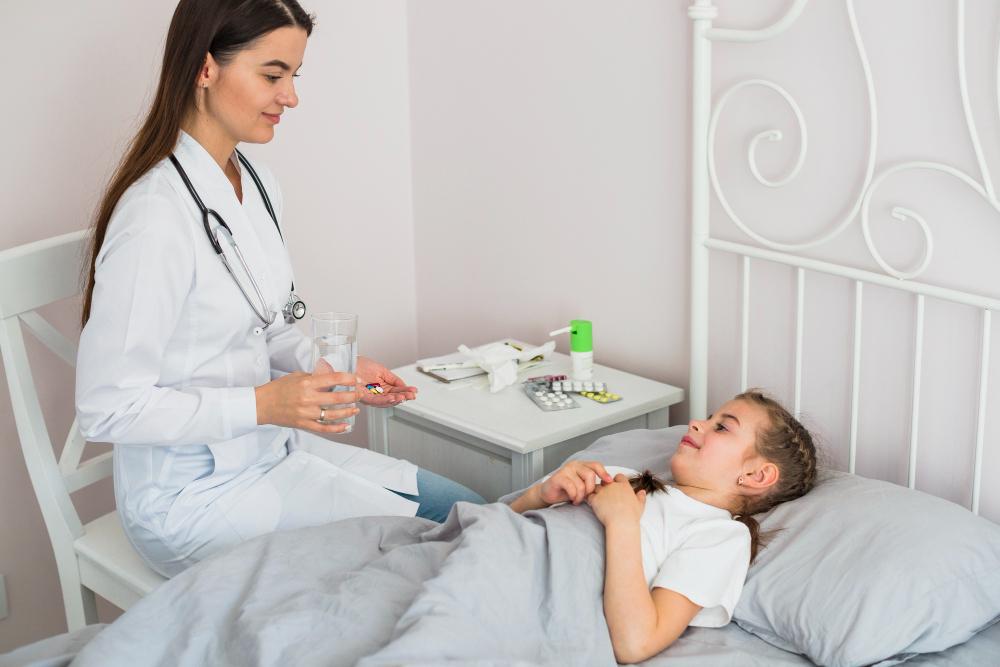
When a child requires ongoing medical care, every family wants a solution that combines expert healthcare with the comfort of home. Frequent hospital visits and extended stays can disrupt a child's routine, education, and emotional well-being. Fortunately health services provide professional medical care in a familiar environment, allowing children to receive the treatment they need while remaining close to their loved ones.
From skilled nursing and chronic disease management to personal care and family education, pediatric home health helps children with complex medical conditions achieve better health outcomes while improving their overall quality of life. Whether your child is recovering from surgery, living with a chronic illness, or requires long-term care home healthcare offers personalized care tailored to their unique needs.
This guide explains how health works, the services available, eligibility considerations, and how families can choose the right healthcare provider.
Pediatric home health is a specialized healthcare service that delivers medical care to infants, children, and adolescents in their homes. These services are designed for children who require ongoing medical attention but can safely receive treatment outside of a hospital or long-term care facility.
Licensed healthcare professionals, including Registered Nurses (RNs), Licensed Practical Nurses (LPNs), and trained caregivers, work closely with physicians and families to develop individualized care plans that support each child's medical and developmental needs.
The goal is to help children receive high-quality medical care while allowing them to grow and thrive in the comfort of their own homes.
Many children with short-term or long-term medical conditions may benefit from pediatric home health services. Home-based care is particularly valuable for children who require consistent monitoring, specialized treatments, or assistance with daily healthcare routines.
Children who may benefit include those with:
A physician determines whether home healthcare is medically appropriate based on the child's condition and treatment needs.
One of the greatest advantages of pediatric home health is the ability to provide comprehensive, individualized healthcare services that meet each child's unique medical requirements.
Licensed nurses provide professional medical care in the child's home.
Services may include:
Skilled nursing helps children remain medically stable while reducing unnecessary hospital visits.
Children with complex healthcare needs often require one-on-one nursing care for extended periods.
Private duty nursing services may include:
This level of support provides families with greater confidence and peace of mind.
Children with respiratory conditions often require specialized nursing support at home.
Respiratory care services include:
Proper respiratory management helps reduce complications and supports long-term health.
Many medically fragile children rely on feeding tubes for nutrition and hydration.
Experienced nurses assist with:
These services help ensure children receive safe and effective nutritional support.
Depending on the child's care plan, pediatric home health may also include assistance with daily living activities.
Support can include:
Personal care promotes comfort and helps children maintain as much independence as possible.
Home healthcare provides numerous medical, emotional, and practical advantages for children and their families.
Children often feel more relaxed and secure in familiar surroundings, which can positively influence recovery and overall well-being.
Unlike hospitals where nurses care for multiple patients, home healthcare allows providers to focus entirely on one child during scheduled visits.
Routine monitoring and early intervention help identify health concerns before they become emergencies, reducing unnecessary hospitalizations.
Parents play an active role in their child's care while receiving education and support from experienced healthcare professionals.
Receiving care at home allows children to maintain familiar schedules, participate in family life, and continue educational or recreational activities whenever appropriate.
Eligibility for pediatric home health depends on the child's medical condition, physician recommendations, and insurance or Medicaid requirements.
In many cases, children may qualify if they:
A qualified home healthcare agency can help families understand the eligibility and referral process.
Choosing the right provider is one of the most important decisions families can make.
When comparing agencies, look for:
Select providers with healthcare professionals who specialize in pediatric home nursing and understand the unique needs of children.
Every child deserves a personalized care plan that reflects their diagnosis, physician recommendations, and developmental goals.
Strong communication among nurses, physicians, therapists, and families helps ensure coordinated, high-quality care.
Ask about daytime, overnight, weekend, and emergency nursing availability to ensure consistent support.
The best providers empower parents with training and guidance so they can confidently support their child's care between nursing visits.
Before selecting a pediatric home healthcare agency, consider asking:
These questions can help families evaluate an agency's experience, communication, and commitment to quality care.
Successful home healthcare goes beyond medical treatment. Family-centered care recognizes that parents and caregivers play an essential role in a child's health and development.
This approach includes:
When families and healthcare professionals work together, children often experience better outcomes and a higher quality of life.
Pediatric home health provides children with the opportunity to receive expert medical care while remaining in the comfort of their own homes. From skilled nursing and respiratory support to feeding tube management and personal care, these services are designed to meet each child's unique healthcare needs while supporting families every step of the way.
If your child requires ongoing medical care, exploring pediatric home health services can be an important step toward improving their health, comfort, and independence. By partnering with an experienced pediatric home healthcare provider, families can access compassionate, personalized care that helps children thrive in the place they know best—home.