English
 Arabic
 French
 Spanish
 Portuguese
 Deutsch
 Turkish
 Dutch
Dutch
 Italiano
 Russian
 Romaian
 Portuguese (Brazil)
 Greek
Greek
A Closer Look at Cell Therapy Applications in Riyadh Healthcare
Wellness |
2026-08-01 07:19:35
 Advertise With Us
 About Us
 Terms And Conditions
 Politique de confidentialité
Tout voir
Politique de confidentialité
Tout voir

Mise à niveau vers Pro
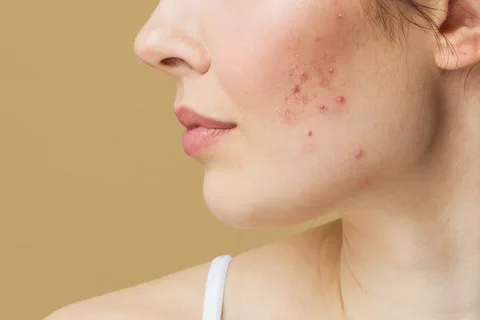
Managing a breakout is only half the battle; for many patients, the most frustrating aspect is the lasting discoloration left behind. Post-inflammatory hyperpigmentation (PIH)—those stubborn dark or reddish spots that remain long after a pimple has healed—is a major concern for many of our patients in the UAE. If you are seeking a Pimples Treatment in Dubai, it is essential to understand how to prevent these marks and how professional intervention can accelerate your skin’s recovery.
PIH occurs when the skin’s natural healing process triggers an overproduction of melanin in response to inflammation. The deeper and more severe the acne, the more likely it is to cause these marks. In our sunny climate, this process is significantly amplified. UV exposure acts as a catalyst for melanin, meaning that if you leave an healing spot unprotected, the sun can "lock in" the pigment, turning a temporary mark into a long-term cosmetic concern.
Professional intervention is the best defense against long-term marking. By addressing the inflammation early, we stop the melanocytes (pigment-producing cells) from going into "overdrive." Our clinical approach at Tajmeels Clinic focuses on:
Controlled Inflammation: Using professional-grade modalities to clear pores without traumatizing the surrounding tissue.
Accelerated Cell Turnover: Treatments like medical-grade peels and laser resurfacing gently lift pigmented skin cells to the surface, where they can be shed more effectively.
Inhibiting Melanin Production: Many of our post-treatment protocols include professional-strength serums that contain tyrosinase inhibitors, which actively prevent the skin from darkening while it heals.
We cannot overstate the importance of sun protection in the UAE. If you are currently treating acne, you must view sunscreen as a medical necessity. UV radiation doesn't just age the skin; it specifically targets inflamed areas, causing them to darken and linger for months. Using a high-quality, oil-free, non-comedogenic, broad-spectrum sunscreen is the most effective daily action you can take to prevent dark spots from becoming permanent.
If you are already dealing with post-acne pigmentation, there are effective ways to improve the skin's tone:
Professional Resurfacing: A series of clinical peels can safely exfoliate the upper layers of the skin, gradually fading discoloration and smoothing texture.
Targeted Brightening Serums: We recommend specific, dermatologist-approved formulations containing ingredients like Vitamin C, kojic acid, or azelaic acid to brighten the skin safely without irritation.
Patience and Consistency: Marks take time to fade as the skin cycles through its natural repair process. Maintaining a consistent routine and avoiding the temptation to pick or squeeze active spots is crucial to avoiding deeper damage.
If you have noticed that your marks are not fading after a few months, or if you are concerned about the texture of your skin, it is time for a professional evaluation. We can determine if the marks are surface-level pigmentation or if the inflammation has caused more significant, deeper changes that require a more intensive, light-based or regenerative treatment.
Preventing and treating post-acne marks is a key part of your skin health journey at Tajmeels Clinic. Our team is dedicated to providing evidence-based care that clears your active breakouts and restores your skin’s natural, even tone. We invite you to schedule a consultation with our experts to discuss a personalized plan that addresses your specific skin concerns and helps you regain your confidence.