English
 Arabic
 French
 Spanish
 Portuguese
 Deutsch
 Turkish
 Dutch
Dutch
 Italiano
 Russian
 Romaian
 Portuguese (Brazil)
 Greek
Greek
FYP Book One Good Eye by Kevin Wade
Shopping |
2026-06-29 05:03:33
 Advertise With Us
 About Us
 Terms And Conditions
 Política de Privacidade
Ver Todos
Política de Privacidade
Ver Todos

Atualize para o Pro
Knee pain can make daily activities difficult. Walking, climbing stairs, exercising, and even standing for long periods may become challenging when the knee is not properly aligned. Many people do not realize that the way their knee moves can directly affect pain levels and joint health. Valgus knee pain treatment is often recommended when knee alignment problems place extra pressure on the joint and surrounding tissues.
Research shows that knee alignment issues can increase stress on the knee joint over time. When the knee moves inward during walking or physical activity, it may lead to pain, swelling, and reduced mobility. Early evaluation and treatment can help improve movement, reduce symptoms, and support long-term joint health.
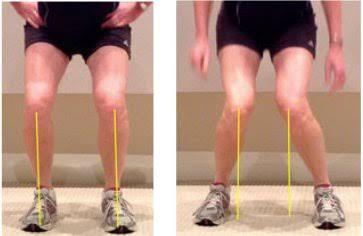
Valgus knee pain occurs when the knee shifts inward instead of staying aligned with the hip and ankle. This movement pattern is commonly called “knock-knee” alignment. While mild cases may not cause symptoms, more significant alignment changes can place added stress on the knee joint.
Over time, this extra pressure may affect cartilage, ligaments, and surrounding muscles. People often notice pain during walking, running, squatting, or climbing stairs. The condition can affect people of different ages and activity levels, making proper diagnosis important.
Several factors can contribute to valgus knee alignment. Muscle weakness around the hips and legs is one of the most common causes. When these muscles do not provide enough support, the knee may move inward during activity.
Previous injuries can also increase the risk. Ligament injuries, muscle imbalances, and poor movement patterns may all contribute to the problem. In some cases, natural body structure and age-related joint changes may also play a role in developing knee pain.
Many people experience symptoms gradually. At first, pain may only occur during physical activity. As the condition progresses, symptoms may become more noticeable throughout the day.
Common symptoms include pain around the front or inside of the knee, swelling, stiffness, and difficulty performing routine activities. Some individuals may also notice instability or a feeling that the knee is not moving properly during walking or exercise.
Poor knee alignment can impact more than just physical activity. Many people find it harder to complete routine tasks such as grocery shopping, household chores, or walking long distances. Persistent pain may also affect confidence and overall quality of life.
The body often tries to compensate for knee problems by changing movement patterns. This can place additional stress on other areas such as the hips, lower back, and ankles. Addressing the issue early may help prevent additional joint problems in the future.
The goal of valgus knee pain treatment is to improve knee alignment, reduce pain, and restore normal movement. Treatment plans vary depending on the cause and severity of symptoms. A thorough evaluation helps determine the most appropriate approach.
Many patients respond well to conservative treatments. Strengthening exercises, movement training, and lifestyle modifications can help improve knee stability and function. More advanced treatments may be considered when symptoms continue despite initial care. Common treatment options include:
Physical therapy programs
Strengthening exercises for the hips and legs
Activity modifications
Bracing when appropriate
Anti-inflammatory treatments
Advanced pain management procedures
Many people delay treatment because they believe knee pain will improve on its own. While mild symptoms may improve temporarily, recurring pain often indicates an underlying issue that should be addressed. Early evaluation can help identify contributing factors before they become more serious.
A healthcare provider can assess movement patterns, strength, flexibility, and joint function. Early care may also help lower the risk of long-term joint damage. People experiencing ongoing knee symptoms should consider seeking knee pain treatment in Cleburne. Professional evaluation can help determine the cause of pain and identify effective treatment options.
Knee pain can have many different causes. Receiving care from a provider with experience in knee conditions allows for a more accurate diagnosis and treatment strategy. A qualified knee pain specialist in Cleburne can evaluate the condition and recommend the most appropriate options.
Specialized care often focuses on both symptom relief and long-term joint health. This approach helps patients improve mobility while addressing the factors contributing to pain and movement limitations.
Choosing professional care offers several advantages for people dealing with recurring knee pain. Proper treatment can improve function, support recovery, and reduce the risk of future complications. Benefits may include:
Improved knee stability
Better mobility and flexibility
Reduced pain during daily activities
Enhanced strength and movement patterns
Support for long-term joint health
Faster return to normal activities
Finding the right provider is an important part of recovery. A trusted knee pain treatment center in Cleburne can offer comprehensive evaluations and treatment options designed to address the root cause of symptoms. Patients should look for providers who focus on patient education, accurate diagnosis, and evidence-based treatment approaches.
This helps create a clear path toward improved mobility and long-term knee health. Some cases of valgus knee pain develop after a sports injury, fall, or other traumatic event. In these situations, prompt medical attention is important. Receiving knee injury care in Cleburne, TX can help identify ligament injuries, muscle damage, or other conditions that may require treatment.
Early care can improve recovery outcomes and help prevent additional complications. Professional evaluation provides valuable information about the extent of the injury and the most effective treatment approach.
Living with knee pain can affect every part of daily life. Fortunately, valgus knee pain treatment can help address alignment problems, reduce pain, and improve mobility. Understanding the causes of knee pain and seeking care early may help prevent long-term joint issues. If symptoms continue to interfere with your daily routine, professional evaluation is recommended. Finding the best knee pain treatment in Cleburne can help you find effective solutions, restore movement, and return to the activities you enjoy.
Valgus knee pain is often caused by muscle weakness, poor movement patterns, previous injuries, joint changes, or structural alignment issues that place extra stress on the knee.
Many patients experience significant improvement through physical therapy, strengthening exercises, activity modifications, and other non-surgical treatments.
Recovery depends on the severity of the condition, the underlying cause, and how consistently treatment recommendations are followed.
You should seek professional evaluation if knee pain lasts several weeks, affects daily activities, or continues to worsen over time.
Poor alignment may increase stress on the joint over time, which can contribute to joint wear and related problems if left untreated.